
Vape travel essentials: safe packing and airport rules explained
Traveling with electronic smoking devices requires more than casual planning. Whether you are a regular Vape user or packing an e-cigarette for the first time, understanding aircraft rules, safety best practices, and local regulations can save you time, reduce stress, and prevent confiscation or fines. This guide outlines clear, practical advice on airline policies, TSA-style restrictions, battery safety, how to handle e-liquids, and answers the most pressing question many travelers ask: “can you take electronic cigarettes on an airplane“?
Short answer: the typical rule and why it exists
Most major aviation authorities and airlines allow passengers to carry e-cigarettes in carry-on luggage only; they are almost universally prohibited from checked baggage due to fire risk from lithium batteries. To the direct question, “can you take electronic cigarettes on an airplane?” the practical answer is yes, but with specific conditions: devices should be powered off, spare batteries must be protected against short-circuit, e-liquids must meet liquid-carry rules, and local law at your destination may impose additional restrictions.
Why airlines and regulators restrict certain items
Regulatory concerns are focused on two hazards: fire risk from lithium-ion batteries and the possibility of prohibited substances in e-liquids. A battery-related thermal event in cargo can be difficult to control, so authorities require devices containing such batteries to remain in the cabin where crew can respond quickly. Additionally, some countries treat nicotine-containing solutions differently under customs and health laws.
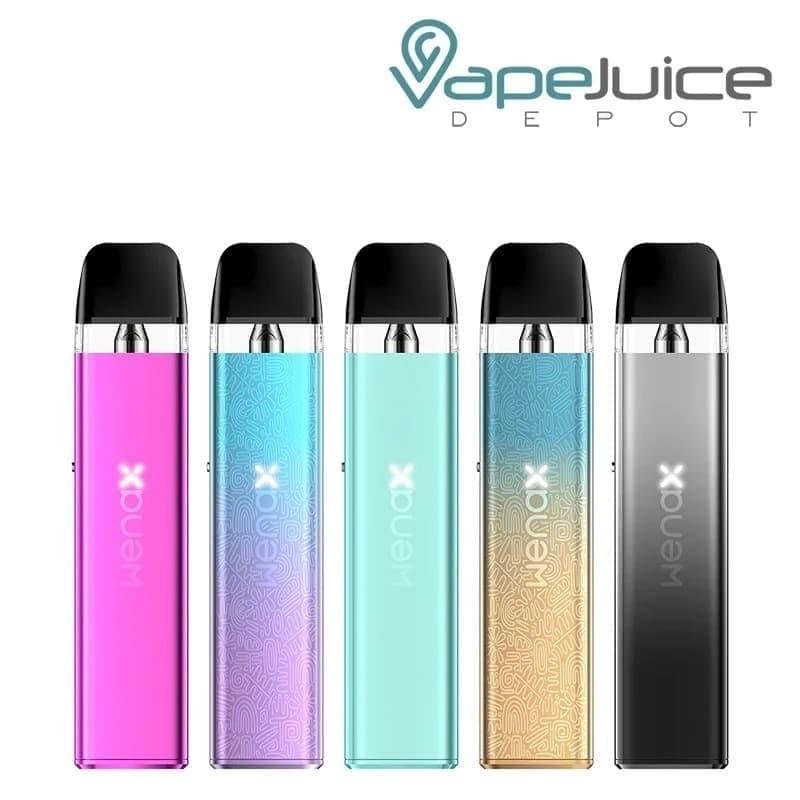
Common terms you will see
- Carry-on: Items you keep with you in the cabin. Most airlines allow Vape devices here.
- Checked baggage: Items stored in the aircraft hold; usually off-limits for devices with batteries.
- Spare batteries: Extra cells not installed in a device; often required to be in carry-on and individually insulated.
- e-liquid: The refill solution, sometimes called e-juice; liquid rules apply.
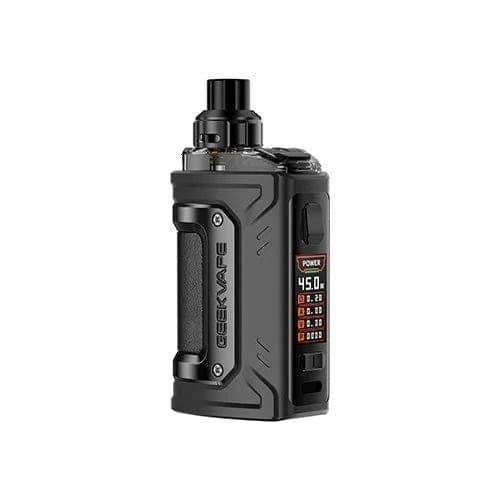
Before you go: a pre-flight checklist for Vape users
- Confirm your airline’s policy via their official website under “baggage” or “dangerous goods.”
- Check the departure and arrival country’s rules for nicotine and electronic tobacco devices; some places ban certain flavors, strengths, or even all Vape devices.
- Empty tanks or store e-liquids in sealed bottles that comply with liquid restrictions if you plan to bring more than a travel-sized amount in your carry-on.
- Charge devices before travel and carry a charged backup battery only if permitted and stored correctly.
- Obtain a hard case to protect devices from impact and accidental activation during transit.
How to pack electronic cigarettes for air travel
Follow these safe-packing steps to comply with most airline and security requirements: use a protective case, remove tanks if necessary, keep devices powered off, remove or cover exposed battery terminals, store spare batteries in individual plastic pouches or original packaging, and keep all devices and batteries in your carry-on bag. Consider adding a small ziploc bag for e-liquid bottles to prevent leaks.
Step-by-step packing method
- Power down each device completely and engage any safety locks to prevent accidental activation.
- Remove pods or cartridges and transport them upright in a sealed container if possible to avoid leakage.
- Place spare 18650, 20700 or other lithium batteries into protective sleeves or wrap each terminal with tape to eliminate metal-to-metal contact that could short-circuit.
- Put all e-cigarettes, spare cells, chargers, and e-liquid in your carry-on; never place batteries or devices in checked luggage.
- Label specialized cases and keep purchase receipts if devices are new or look unusual, to ease questions at security.

Battery safety: the critical rules
Lithium-ion batteries are the primary safety concern. To reduce risk, follow these industry-standard precautions: avoid carrying damaged batteries, never transport loose batteries in pockets or with metal objects, and remove batteries from devices if airline guidance suggests it. Airlines may restrict batteries above a certain watt-hour rating; check the exact limits with your carrier (many allow up to 100 Wh without approval and 100–160 Wh with airline approval).
Liquids and nicotine: what you need to know
Carry-on liquid rules are usually the same as for other toiletries: small bottles in a clear quart-sized bag, typically limited to 100 ml (3.4 oz) per container in many jurisdictions. If your e-liquid contains nicotine, be aware that some countries classify nicotine differently and may restrict its import or sale. Always research the destination’s local laws to avoid confiscation or fines on arrival.
International differences and special cases
Regulations vary significantly: certain countries ban Vape devices entirely, others limit flavors or nicotine strength, and some require special permits. Examples include places where vaping paraphernalia may be treated like tobacco importation for customs. Before travel, read reliable government resources for both departure and arrival nations, and consult the airline’s hazardous materials policy for routing and transit rules.
At the security checkpoint
When going through security, remove your devices and spare batteries from bags if requested by TSA or equivalent screening staff. Have e-liquids separated in the standard clear bag for liquids if they exceed ultra-small travel sizes. Demonstrate that devices are off and packed correctly. Security officers may ask to inspect devices; remain cooperative and provide documentation if needed.
On board the aircraft
Strictly follow crew instructions: never use or charge Vape devices on a plane. This includes plugging devices into in-seat power outlets or using them inside lavatories. Using electronic cigarettes inflight can result in fines and penalties and endanger safety; it may also breach airline terms of carriage and local laws at your destination.
What about duty-free and inflight shopping?
Even if you purchase e-liquids or devices at duty-free, you still must comply with carry-on liquid rules and local import regulations at your destination. Some airports allow the purchase of larger liquid volumes if they are sealed and accompanied by receipts, but transit rules may still limit what you can bring into the aircraft cabin.
Dealing with confiscation or disputes
If an item is confiscated at security, request a written receipt or official record when possible. For disputes, politely ask to speak with a supervisor or reference the airline’s published policy. Keep copies of your correspondence and receipts for later claims, especially if proprietary or valuable equipment is involved.
Practical packing template for a weekend trip
Here is a practical pack list you can adapt: 1–2 devices in a protective case, 2–3 pods or cartridges in sealed bags, spare batteries in individual sleeves, chargers and cables in a cord organizer, e-liquid bottles each <=100 ml if in carry-on, and small tools or cleaning supplies in checked luggage where allowed (but avoid batteries there). Keep everything organized and accessible to speed up security screening.
Special scenarios: connecting flights and transit hubs
When transiting, note that rules apply at every checkpoint and in every country you enter, even for short layovers. If you’re traveling through a country with stricter laws than your origin or final destination, plan accordingly—some travelers choose to ship devices or batteries ahead where legal, or leave them at home to avoid complications.
Legal and health considerations
Aside from airport rules, be mindful that some jurisdictions classify vaping similarly to tobacco use, which can include public use bans, flavor restrictions, age limits, and taxes. Health advice also suggests packing only medically necessary nicotine replacement items when traveling for health-related reasons and consulting a healthcare provider if you have concerns about quitting while traveling.
Insurance, loss, and theft
For high-value devices, consider travel insurance that covers theft or accidental damage, and register serial numbers and receipts in case you must file a claim. Keep devices on your person when possible; checked baggage theft or loss is riskier and often irreversible.
Tips for photographers of gear and documentation
Take photos of your devices, batteries, and packaging before travel. Store invoices in cloud storage so you can show proof of purchase if needed during customs inspections or loss claims.
Responsible vaping etiquette while traveling
Respect no-smoking and no-vaping signs. Many airports and public places ban vaping, and ignoring these rules can lead to fines. If you must use nicotine, seek designated smoking areas at airports or consider nicotine gum or patches as alternatives while in transit.
Answering the core question: practical final guidance
So, can you take electronic cigarettes on an airplane? Yes, with limitations: keep them in carry-on, secure batteries, follow liquid rules for e-juice, respect airline and country-specific rules, and never use devices during flight. Preparing carefully and following a checklist will minimize the chance of delays, confiscation, or safety incidents.
Quick-reference summary
- Always carry devices and spare batteries in carry-on luggage.
- Protect battery terminals and do not transport damaged batteries.
- Comply with liquid restrictions for e-liquids and check destination rules for nicotine laws.
- Do not use or charge devices on board.
- Confirm airline policies and declare items when required.
Additional resources
For authoritative guidance check official sources such as the national aviation authority of your departure country, the airline’s hazardous materials page, and customs regulations at your destination. These sources change seasonally and after major incidents, so verify before each trip.
FAQ
Q: Can I pack spare vape batteries in checked luggage?
A: No. Spare lithium batteries should be carried in your cabin baggage and must be individually protected to prevent short circuits. Many airlines and authorities explicitly prohibit spare batteries in checked bags due to fire risk.
Q: What if my e-liquid exceeds the carry-on liquid limit?
A: If bottles exceed the standard container limit (commonly 100 ml), you may need to transfer liquid to smaller containers, purchase compliant products after security, or check local rules—some airports allow duty-free sealed liquids with receipts, but this does not override airline or destination restrictions.
Q: Can I use a USB-power bank to charge my device on board?
A: You can usually carry power banks in your carry-on but not in checked baggage. However, using them to charge a Vape device during flight is discouraged or prohibited by many airlines; always follow crew instructions.