
Independent assessment of modern disposable vapes and user safety signals
This comprehensive guidance explores the landscape of the popular ibvape E-Shisha style products from a consumer-safety and scientific perspective while connecting the discussion to broader concerns about e cigarette health issues. The aim is to provide balanced, practical, research-aware information for users, caregivers, clinicians, retailers and policy-makers. Readers will find an accessible breakdown of device design, inhaled constituents, known short-term harms, emerging long-term questions, safe usage practices and regulatory signals that matter for anyone considering or currently using an ibvape E-Shisha or similar e-cigarette product. We emphasize evidence, harm-reduction context and steps a responsible consumer can take to reduce preventable risks related to both device hardware and aerosol chemistry.
Why focused reviews matter: context and consumer risks
Products marketed as E-Shisha variants, including branded lines such as ibvape E-Shisha, blend convenience, flavor variety and mobility. That combination drives popularity but also generates specific safety questions: battery reliability, coil integrity, quality control for e-liquid ingredients, labeling accuracy, and the real-world implications of inhaling aerosolized liquids. When researchers talk about e cigarette health issues, they refer to a range of concerns from acute injuries (burns, poisoning, respiratory irritation) to chronic cardiopulmonary effects and potential impacts on youth nicotine dependency. This review synthesizes those concerns into practical guidance and points to what the latest studies are showing.
How these devices work: anatomy and functionality
ibvape E-Shisha type devices generally contain a battery, a heating coil, a reservoir (pre-filled or built-in), and an airflow pathway that carries aerosol to the mouth. Design choices influence safety: battery protection circuits, robust casing, and temperature control reduce device-failure risk; e-liquid formulation determines which chemicals are aerosolized. Understanding basic anatomy helps consumers ask the right questions when evaluating a product and recognizing when a device is operating outside normal parameters (overheating, leaking, unusual taste, rapid battery drain).
Key hardware considerations
- Battery quality and protection: Lithium-ion cells should include over-charge, over-discharge and short-circuit protection. Lack of these features raises the risk of overheating or thermal runaway.
- Casing and seal integrity: Cracked or poorly sealed casings allow liquid ingress and can cause short circuits.
- Heating element materials: Coils may be made from kanthal, nichrome, stainless steel or other alloys; each has different heat-response behaviors and potential for metal release.
- Fill and vent pathways: Proper venting prevents pressure build-up; blocked vents are a hazard.
Liquid and aerosol chemistry
What ultimately reaches the lungs is an aerosol formed from propylene glycol (PG), vegetable glycerin (VG), nicotine salts or freebase nicotine (when present), flavorings, and trace contaminants. Both intentional components and unintended byproducts are relevant to e cigarette health issues. Thermal decomposition during heating can create carbonyls (formaldehyde, acetaldehyde), acrolein, and other reactive species. Flavor additives can contain diacetyl or other diketones historically linked to bronchiolitis obliterans in occupational settings; while many manufacturers have moved away from problematic flavorants, inconsistent industry standards mean risk persists, especially with unregulated imports.
What the recent research says
In recent years, studies have examined short-term respiratory effects, cardiovascular markers, toxicant levels in emissions, and population-level trends. Findings relevant for users of ibvape E-Shisha and similar devices include: lower concentrations of some combustion-related toxins compared with cigarette smoke but measurable levels of other harmful compounds; evidence of endothelial dysfunction and increased heart rate in some clinical studies after acute use; and variable results on long-term respiratory decline, where long-term cohort data remain limited. Systematic reviews emphasize uncertainty about chronic outcomes while documenting specific acute harms such as lung injury associated with adulterated or illicit products.
Notable research themes
- Comparative toxicology: Aerosol from many e-cigarette products shows reduced levels of polycyclic aromatic hydrocarbons and volatile combustion byproducts compared with cigarette smoke, yet still contains meaningful levels of reactive carbonyls and metals depending on device and conditions.
- Cardiopulmonary markers: Short-term studies often show transient increases in heart rate and blood pressure and biomarkers of oxidative stress after vaping sessions.
- Populations and youth uptake: Surveillance data show uptake among adolescents, where nicotine exposure may affect developing brains; public health interest centers on preventing youth initiation while offering adult smokers less harmful alternatives.
- Outbreaks and adulteration: Acute lung injury instances have been linked to illicit additives or vitamin E acetate in specific product categories; reputable, regulated products have not shown the same association when supply chain integrity is maintained.
Translating evidence into practical consumer advice
Whether the device is sold under a brand name or a generic label, the same principles apply: prioritize devices with clear manufacturing quality control, transparent ingredient labeling, and appropriate safety features. If you use an ibvape E-Shisha, consider the following checklist to reduce preventable harms related to known e cigarette health issues:
- Purchase from reputable retailers who can verify supply chains and product authenticity.
- Check for basic safety marks and clear manufacturer instructions (charge only with supplied chargers, do not modify batteries).
- Avoid products with overly sweet or buttery flavor notes that could indicate diketones unless the manufacturer discloses ingredients and safety testing.
- Monitor for unusual device behavior: overheating, leaks, swelling, off-smells or odd tastes.
- Keep e-liquids out of reach of children and pets; nicotine is toxic in concentrated form.
Harm reduction and switching
For people who smoke combustible tobacco, switching completely to an alternative nicotine delivery system may reduce exposure to combustion-related toxicants. However, switching should be a deliberate process: healthcare providers can support cessation strategies and discuss whether a product like an ibvape E-Shisha could be part of a smoking-displacement approach. Importantly, dual use (continuing both smoking and vaping) may dilute potential benefits. For non-smokers, particularly adolescents and pregnant people, initiating nicotine use via e-cigarettes is not recommended due to both addiction risks and the uncertain long-term cardiovascular and pulmonary consequences highlighted among e cigarette health issues research.
Practical maintenance and safe handling
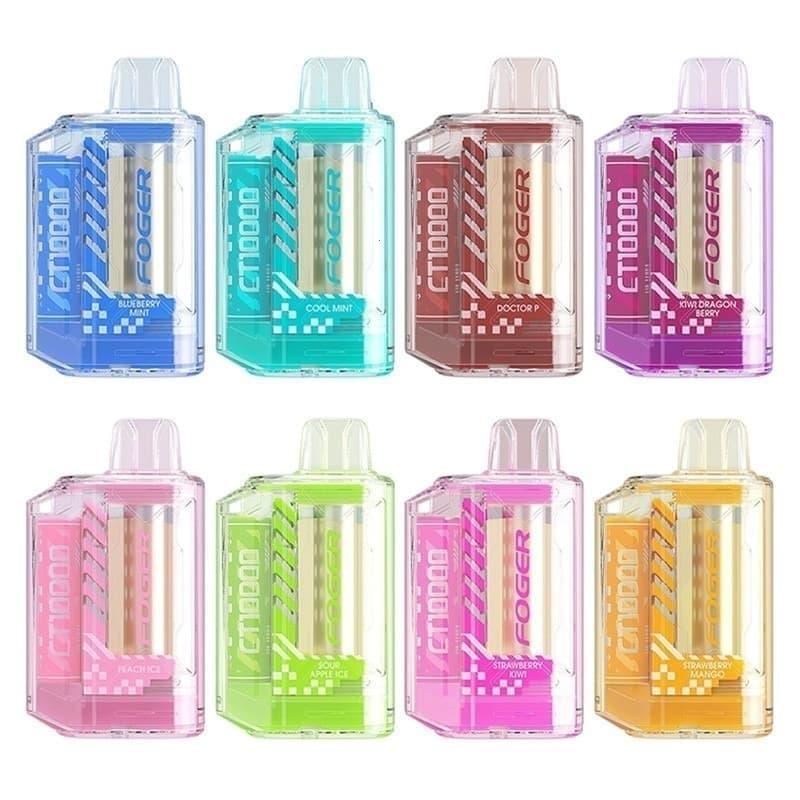
Proper maintenance reduces hardware failures that can escalate into accidents. Key actions include: storing devices away from direct heat, replacing disposable units as recommended, avoiding substandard chargers, and discontinuing use if the device is physically damaged. Never attempt to alter or refill sealed disposables unless the manufacturer explicitly provides instructions. If you encounter a malfunctioning ibvape E-Shisha, contact the vendor and report the issue to appropriate consumer safety agencies in your jurisdiction.
Regulatory and policy signals to watch
Regulatory frameworks for e-cigarettes vary by region and are evolving. Some jurisdictions require pre-market authorization, ingredient disclosure, and child-resistant packaging; others adopt flavor bans or marketing restrictions to limit youth appeal. Consumers should track local regulations that affect product safety standards and recall mechanisms. When outbreaks of acute lung injury have occurred, coordinated regulatory action and supply-chain tracing were crucial in identifying and removing hazardous products from circulation. Ongoing surveillance helps detect shifts in product quality that may amplify e cigarette health issues.
Tip: Keep receipts and batch information for any device or e-liquid purchase to simplify reporting and potential recalls.
Evaluating claims and marketing
Marketing often emphasizes novelty and lifestyle appeal. For reliable assessment, favor vendors who provide clear laboratory testing results (third-party analyses of emissions and e-liquid content), batch traceability and independent certifications. The phrase ibvape E-Shisha may be used by many distributors; verify the precise model and ingredient lists rather than assuming uniform quality across similarly-named products. When a product claims “medicine-free,” “natural” or “harm-free,” treat such claims cautiously and seek objective evidence.
Common consumer misperceptions
- “Safer” does not mean “safe”: Reduced exposure to certain toxins compared to cigarette smoke does not eliminate all risk.
- Visible cleanliness is not a guarantee: A tidy exterior offers no assurance about coil materials, e-liquid purity or battery cell quality.
- Flavorful does not equal benign: Flavors are complex chemical mixtures—safety depends on inhalation toxicity, not taste alone.
What to do if you experience symptoms
If you experience chest tightness, sustained cough, shortness of breath, severe headache, dizziness, or signs of nicotine poisoning (nausea, vomiting, palpitations), seek medical attention promptly. Be prepared to provide product details, including brand, flavor, where purchased and how long you used the device. Suspected adverse events ought to be reported to local health authorities to assist public health monitoring of e cigarette health issues.
Checklist for safer purchasing and use
Before you buy or continue using an ibvape E-Shisha, run through this quick safety checklist: manufacturer transparency, third-party testing, visible safety features, child-proof packaging, and a reputable seller with clear return and recall policies. Maintain updated knowledge about local regulations and product recalls.
Research gaps and what science still needs to answer
Despite growing literature, important gaps remain: longitudinal data on chronic disease outcomes, standardized methods to compare emissions across device types, clearer understanding of how specific flavor chemistry affects lung tissue, and more robust surveillance linking product batches to clinical outcomes. Researchers continue to investigate biomarkers that can reliably predict long-term risk and to refine exposure modeling to better reflect consumer behaviors. Until more definitive long-term evidence emerges, a precautionary approach combined with harm-reduction principles is prudent.
Concluding guidance
ibvape E-Shisha style products sit at the intersection of consumer technology, chemical exposure and public health. By combining sound purchasing choices, cautious usage patterns, attention to device maintenance and attention to emerging science around e cigarette health issues, consumers can reduce unnecessary risks. Those who do not currently use nicotine should avoid initiation; those trying to quit combustible tobacco should consult healthcare providers for an individualized cessation plan that may consider regulated alternatives and behavioral support.
Practical safety resources
For up-to-date product advisories and recalls, consult official consumer safety sites and your local public health department. Healthcare professionals, poison control centers and consumer protection agencies can provide immediate guidance for acute incidents.
Glossary of terms
- PG/VG
- Propylene glycol and vegetable glycerin, common carriers for e-liquids with different throat-hit and vaporization properties.
- Carbonyls
- A class of reactive chemicals that can form when e-liquid components are heated.
- Nicotine salts
- A formulation that allows higher nicotine concentration with reduced throat irritation, commonly used in many modern disposable products.
Keywords emphasized for clarity: ibvape E-Shisha e cigarette health issues ibvape E-Shisha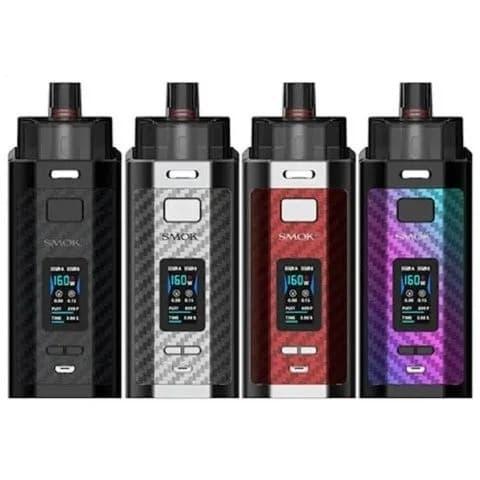 e cigarette health issues — repeated at measured intervals to help search engines associate this page with consumer safety guidance, harm-reduction discussions and product-specific inquiries while preserving natural reading flow.
We respect that science evolves; revisit trusted sources frequently and consult professionals when making decisions about nicotine use.
FAQ
Are disposable products like ibvape E-Shisha more or less risky than refillable vapes?
Disposable devices can be less complex and easier to operate, reducing user modification and refilling errors; however, their safety depends on manufacturing quality and supply-chain integrity. Refillable devices may allow greater control over e-liquid choices but also introduce user-error risks. Evaluate each product on its own merits.
What signs indicate a malfunctioning device?
Watch for battery swelling, overheating, smoke, unusual tastes, leaks or rapid battery draining. Stop use immediately and seek vendor support or professional evaluation.
How can I reduce exposure to harmful chemicals?
Choose products with third-party lab testing, avoid extremely high-power settings or devices that overheat, avoid flavorants linked to respiratory concerns, and consider complete cessation with professional support as the most certain way to remove exposure.