
Practical advice and precautions for traveling with vaping gear: an overview
Whether you’re planning a short trip or a long-haul journey, understanding how to transport vaping devices properly is essential. This comprehensive guide focuses on safe travel practices, airline policies, and practical packing techniques, particularly around the topic of e cigarette in checked luggage and how vendors like E cigi bolt can provide the right accessories. The information below is designed to help vapers reduce risk, comply with regulations, and keep devices functional and uncontaminated during transport.
Why special handling matters for vaping devices
Vaping devices are a combination of batteries, electronic circuitry, and liquids (e-liquids) that together create specific hazards when transported incorrectly. The primary concerns are thermal runaway in lithium-ion batteries, leakage or contamination of e-liquids, and regulatory or airline restrictions that vary by country and carrier. Because of these risks, airline rules often limit what can be placed in checked baggage versus carry-on. Understanding these distinctions and following recommended packing steps helps avoid confiscation, fines, or even more dangerous outcomes.
Core components to consider
- Batteries: Most modern e-cigarettes use rechargeable lithium-ion cells. These cells should be handled with extra care because they can short-circuit if damaged or improperly packaged.
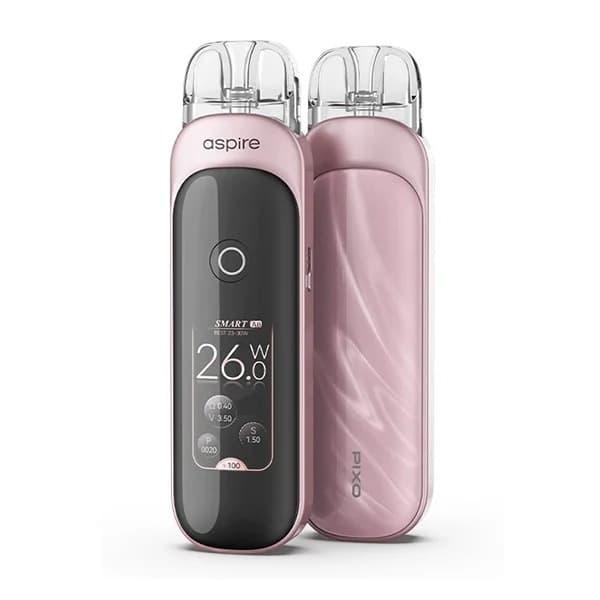
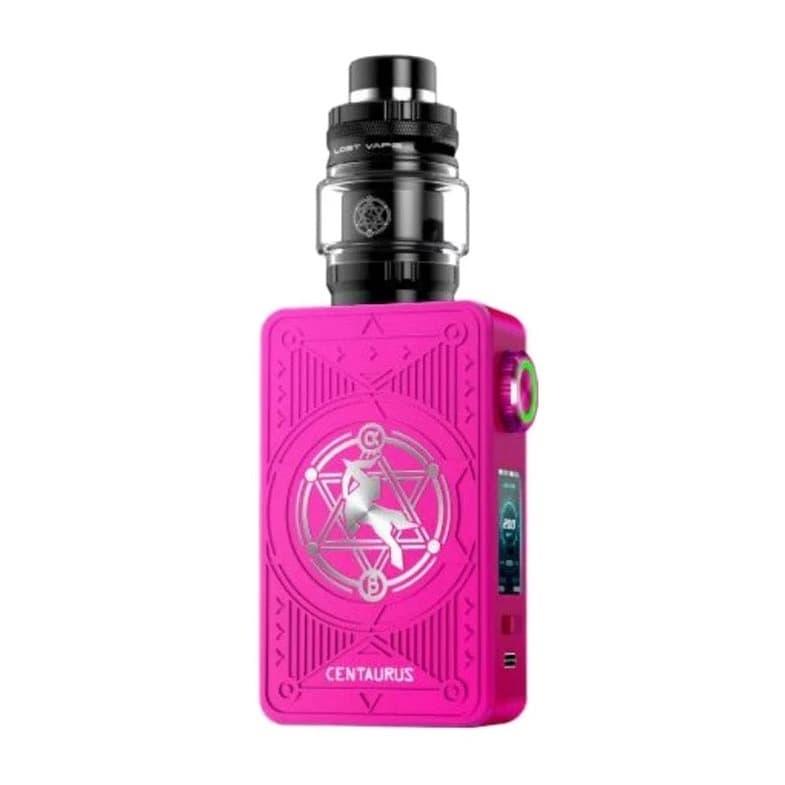
- Mod and tank: Mechanical or regulated mods, TTL chips, tanks, and glass components are fragile and must be cushioned to prevent damage.
- E-liquid bottles: Bottles present a risk of leaking and are subject to liquid limits in carry-on; they may be allowed in checked luggage but need careful sealing.

Airline policies and regulatory background
Airlines and aviation authorities worldwide generally prohibit spare lithium batteries and e-cigarettes from being placed in checked baggage due to fire risk. Most policies require these devices to be carried in the passenger cabin, where crews can respond quickly if an incident occurs. However, rules can differ: some carriers may accept certain devices if batteries are removed and terminals taped, while others may ban devices entirely on specific routes. Always check the airline’s official guidance before packing to avoid surprises.
Authority guidelines you should check
The following organizations publish guidance that impacts travel with vaping equipment: International Air Transport Association (IATA), Transportation Security Administration (TSA) for U.S. travel, Civil Aviation Authorities of each country, and individual airlines. These sources often emphasize the following: no loose or spare lithium-ion batteries in checked baggage, devices powered off and protected from accidental activation, and in many cases, carrying e-liquids and devices in the cabin.
Can you put an e-cigarette in checked luggage?
Short answer: generally no, or at least not recommended. Most recommended practice is to keep devices and spare batteries in carry-on baggage. If you are forced to check a device, follow strict precautions: ensure the battery is removed (if possible), secure terminals with tape or a protective cap, drain or tightly seal e-liquid containers, and pack the device in a hard protective case with ample cushioning to prevent impact. Even with precautions, the safest and most compliant option is to carry the device in the cabin where permitted. For travelers seeking products or advice before the trip, E cigi bolt sellers often advertise travel-friendly accessories that comply with airline safety suggestions.
Recommended packing method if checked luggage is your only option
- Remove the battery from the device and place it in a protective case or plastic battery pouch.
- Insulate battery terminals with tape or plastic caps to prevent short-circuiting.
- Empty tanks or cartridges, or ensure they are sealed with leak-proof caps.
- Place devices in rigid containers or hard-shell cases to prevent crushing or impact damage.
- Pad devices with clothing or bubble wrap and isolate them from items that can puncture or contact batteries.
- Label containers if required by airline or local authority guidance, though labeling is not a substitute for following rules.
Battery safety: what you must know
When discussing prevention of incidents, battery handling is central. Lithium-ion batteries are sensitive to heat, pressure, and contact with conductive surfaces. Avoid placing batteries loose in checked baggage where they can contact metal objects, be crushed by heavy luggage, or experience temperature extremes. For added security, put batteries in carry-on or, if allowed in checked, inside an insulated container with terminals protected. Vendors such as E cigi bolt provide specialized battery cases and terminal covers designed for travel.
Best practices
- Carry spare batteries in protective sleeves or cases.
- Keep at least partial charge (20-50%) rather than fully charged or fully depleted as recommended by some manufacturers.
- Never transport damaged or swollen batteries; dispose of them safely before travel.
Liquid rules and e-liquid handling
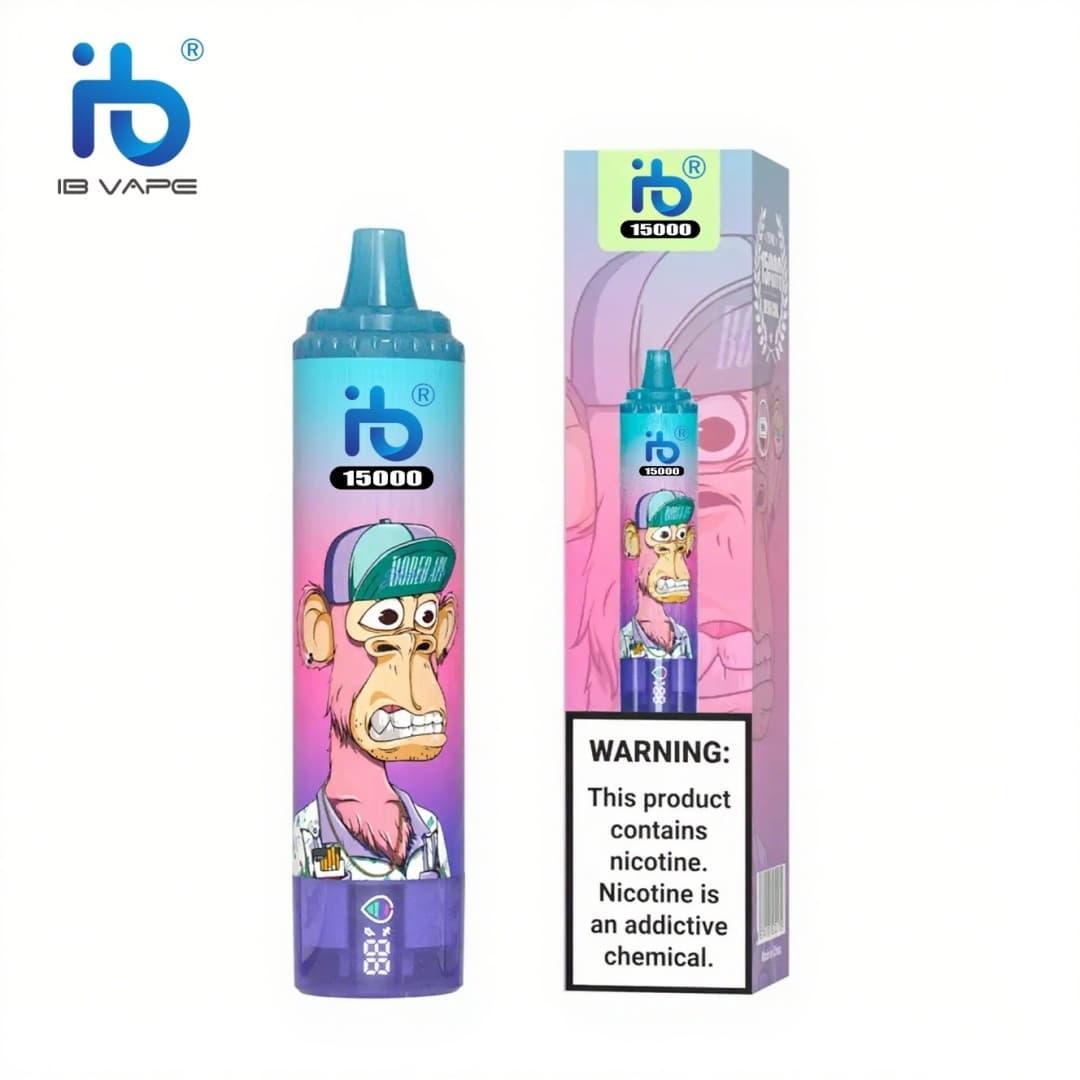
Liquids face two layers of regulation: aviation liquid limits and leak prevention. For carry-on, e-liquids typically must be in containers of 100 ml (3.4 ounces) or less and fit into a single clear plastic bag; this varies between jurisdictions. For checked luggage, there may be fewer limits, but the risk of bottles breaking and leaking is higher, which can ruin electronics and clothing. Always use leak-proof bottles and consider double-bagging e-liquids or placing them in hard containers. Travel-sized, prefilled cartridges and sealed disposable devices are easier to transport and less likely to leak than large bottles of e-liquid.
Practical packing checklist
Use this compact checklist before you travel to ensure you’re not caught out at the airport:
1. Verify airline policy regarding e cigarette in checked luggage and carry-on.
2. Remove and protect batteries where possible.
3. Drain or seal tanks and e-liquid bottles.
4. Place devices in a hard protective case.
5. Keep spare parts and coils in labeled, sealed bags.
6. Carry user manuals or manufacturer documentation if needed for verification.
7. Consider buying travel-friendly accessories from sellers such as E cigi bolt to ensure compliant packing.
Packing scenarios: carry-on vs checked
Carry-on advantages: immediate access, crew response if needed, typically allowed for devices and small e-liquid bottles within limits.
Checked baggage disadvantages: restricted or prohibited for spare batteries, higher risk of crush damage, limited ability to respond in emergencies. Whenever possible, pack vaping equipment in carry-on items; reserve checked luggage for non-sensitive items.
International travel complexities
Traveling internationally introduces extra layers of complexity. Some countries have strict bans on vaping products, while others heavily regulate nicotine concentrations and packaging. Before leaving, research destination rules about possession, import limits, and whether e-cigarettes are considered tobacco products. Some customs agencies may confiscate devices or impose fines. Always keep receipts for purchases and ensure labeling that clearly indicates nicotine content and ingredients to expedite customs questions.
Transit and connecting flights
If your itinerary includes connecting flights, recognize that regulations differ by country and carrier. A device allowed on one leg may be prohibited on another. When in doubt, ask the airline at check-in, and if necessary, keep devices in carry-on for the entire journey to avoid handoff to checked baggage during transfers.
Storage solutions and travel gear
Several product categories make travel easier and safer: insulated battery cases, hard-shell mod cases, leak-proof e-liquid bottles, and TSA-friendly kits. Retailers, including E cigi bolt, often sell travel starter kits that combine these items. Look for international compatibility, protective padding, and certificates of compliance if available. A small kit containing a hard case for devices, individual battery sleeves, and a few spare cartridge caps can drastically reduce the odds of problems in transit.
Legal and insurance considerations
Know the legal status of vapes at your destination and consider travel insurance that covers loss or damage of electronic devices. While consumer travel policies vary, documenting the value and condition of your vaping kit before departure (photos and serial numbers) can help with claims if items are lost or damaged during a flight. For business travelers, follow company policies on transporting electronic or nicotine-related items.
If something goes wrong in transit
If an incident involving an e-cigarette occurs in checked luggage, report it immediately to airline staff and follow their instructions. If a device is damaged in a manner that suggests a safety issue (smoke, heat, or strange odors), do not attempt to turn it on. Report battery swelling or leaks and dispose of damaged batteries at designated recycling points — never throw swollen batteries in regular waste. Many airports offer battery recycling or hazardous-waste collection points.
After arrival actions
Upon reaching your destination, inspect devices for damage, test batteries and chargers for unusual heat, and check e-liquid seals for signs of leakage. If any component seems compromised, delay use until you can replace or properly sanitate the item. For long trips, plan for secure storage of devices in hotel safes where appropriate, and never leave batteries exposed to high heat or sunlight.
Tips for a stress-free airport experience
To minimize delays and questions during security screening, be proactive: pack devices neatly, present them separately if asked, and be ready to explain that batteries are protected and devices are powered off. Carrying manufacturer manuals or evidence of how batteries are protected may help. Using clearly labeled, sealed containers will reduce both the chance of spills and the time security spends inspecting your bags.
Shopping considerations before travel
When purchasing replacement parts or travel accessories, seek items that meet international safety standards, are well-reviewed, and come from trusted vendors. If you use online shops or brick-and-mortar stores, compare features like hard-case durability, foam padding, battery port covers, and TSA compliance recommendations. Sellers such as E cigi bolt often highlight travel-oriented features in their product descriptions, making it easier to find suitable gear.
Common traveler mistakes and how to avoid them
Many problems stem from lack of preparation. Common mistakes include: leaving spare batteries loose in a suitcase, packing a fully charged battery with no terminal protection, assuming all airlines treat vapes the same, and forgetting about local restrictions at the destination. Avoid these by following the checklist above, confirming rules before travel, and investing in proper protective gear.
Summary: key takeaways for safe transit
To recap in a compact form: prioritize carrying devices and batteries in the cabin whenever allowed; if you must check items, remove batteries and protect terminals; use hard cases and leak-proof bottles for e-liquid; research airline and country-specific rules; and purchase travel-specific accessories from reputable sellers like E cigi bolt to reduce risk. These steps minimize safety hazards and the potential for lost or confiscated equipment while traveling.
Practical examples and hypothetical situations
Consider these scenarios and solutions:
Scenario A: You have multiple spare batteries and large bottles of e-liquid. Solution: Place spare batteries in a hard protective battery case in your carry-on, transfer e-liquid into small travel bottles under airline carry-on limits, or leave large bottles in checked baggage but sealed inside protective containers (not recommended).
Scenario B: Your mod has an integrated battery that cannot be removed. Solution: Power down the device, secure any firing buttons against accidental activation, and keep it in a cushioned hard case in your carry-on if allowed. Always check with the airline before travel.
How retailers can help
Retailers and online stores that focus on travel accessories can provide solutions such as padded travel cases, battery sleeves, leak-proof replacement bottles, and compliance guides. Shopping with reputable sellers ensures you receive accurate product information and appropriate accessories that reduce risk and improve compliance with airline rules.
SEO note:
We have repeated focus terms like e cigarette in checked luggage and E cigi bolt throughout this article to address traveler searches, product queries, and safety guidance. Proper use of these phrases helps readers and search engines find targeted, actionable information about transporting vaping devices and choosing travel-ready accessories.
Final recommendations
Plan ahead: check airline rules, use protective cases, and keep essential items in carry-on when feasible. Prioritize safety and legal compliance by consulting official guidance and purchasing travel accessories designed to reduce risks. With thoughtful packing and good pre-flight checks, vapers can travel confidently while minimizing the chance of incidents or confiscation.
Call to action
Before your next trip, double-check your airline’s policy on vaping devices and consider investing in a certified travel kit that includes insulated battery sleeves, a hard case for devices, and leak-proof e-liquid containers. If you need travel-specific gear, explore reputable suppliers and compare features designed specifically for air travel safety.
FAQ:
Common questions about traveling with vaping devices
- Q: Is it legal to take an e-cigarette in checked luggage?
- A: Regulations vary, but most airlines and aviation authorities recommend keeping devices and spare batteries in the cabin rather than checked baggage. If you must place something in checked luggage, remove batteries and protect terminals, but the safer option is carry-on.
- Q: Can I carry spare batteries in my checked bag?
- A: Generally no. Spare lithium-ion batteries are usually prohibited in checked luggage and should be transported in carry-on baggage in protective sleeves.
- Q: What should I do if my battery looks swollen or damaged?
- A: Do not use a swollen or damaged battery. Dispose of it through proper battery recycling programs before travel; do not put it in checked or carry-on luggage for flights.
- Q: Where can I find travel-friendly accessories?
- A: Specialized retailers and shops with travel kits tailored for vaping, such as vendors that advertise travel-safe equipment, offer rugged cases, battery sleeves, and leak-proof bottles to help comply with airline rules.