Practical travel rules from IBVAPE and answers to “can you take e cigarette on a plane”
Traveling with vaping gear raises many questions, and one of the most common is can you take e cigarette on a plane? Whether you’re a casual pod user, a sub-ohm enthusiast, or someone who relies on nicotine replacement through an electronic device, understanding both the legal framework and the safety best practices is essential. This comprehensive guide reflects up-to-date recommendations, packing strategies, and airline / security rules so you can travel confidently. IBVAPE emphasizes safety, compliance, and convenience to help you avoid confiscation, fines, or worse — safety incidents caused by lithium battery mishandling.
Quick answer summary
Short answer: In most jurisdictions and on most carriers you generally may carry an e-cigarette on board, but with critical restrictions. The device must usually be in carry-on luggage, spare batteries must be protected and carried in the cabin, and e-liquids must meet liquid carry-on size limits. This means before you pack, ask yourself: “Is my kit compliant, safe, and declared if necessary?” The phrase can you take e cigarette on a plane is central to pre-trip checks and airline policy reviews.
Why rules exist: safety and regulations
Regulators and airlines enforce rules because the devices often contain lithium-ion batteries — which can overheat, short circuit, or ignite if damaged or improperly stored. Additionally, e-liquids have flammable components and nicotine concentration limits that some countries restrict. IBVAPE recommends treating vaping equipment like other electronic devices with batteries: keep them in the cabin, protect them from impact, and store liquids according to local aviation security rules.
Core regulatory points to remember
- Carry-on vs checked baggage: Most airlines and aviation authorities mandate e-cigarettes in carry-on baggage only; never in checked baggage.
- Batteries:
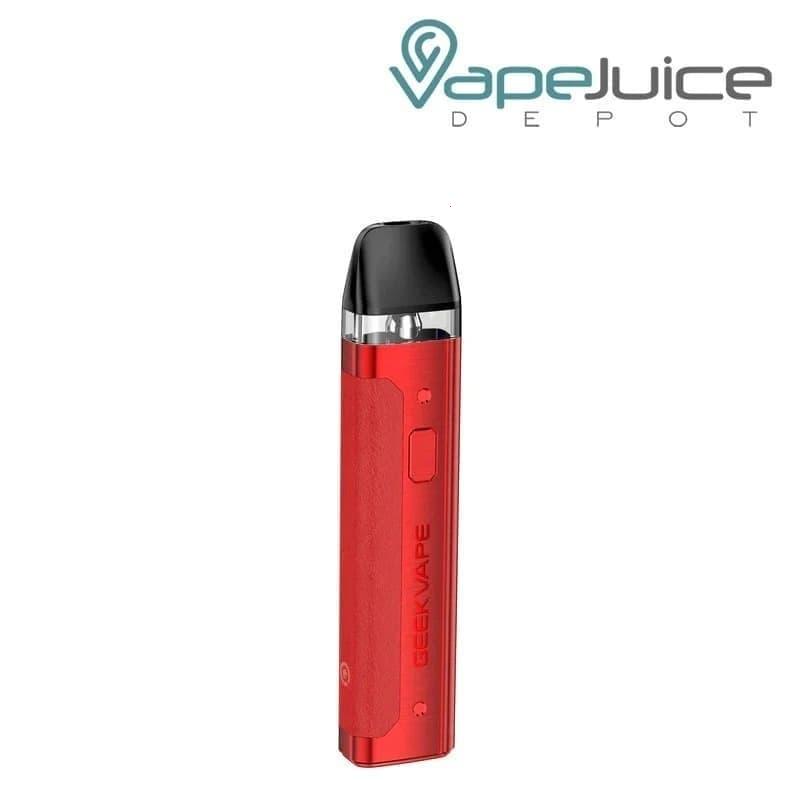 Spare or loose lithium batteries must be carried in the cabin and each battery should be individually protected (battery cases, tape on terminals).
 - Battery capacity:
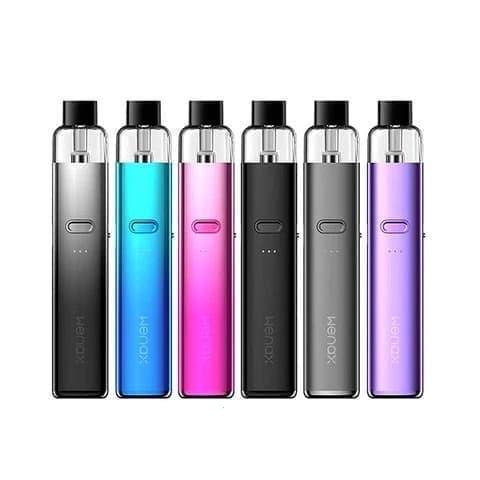 Batteries above airline limits (usually >100 Wh, sometimes 100–160 Wh with airline approval) are heavily restricted or forbidden.
 - Use onboard: Use is prohibited on aircraft — do not attempt to vape in flight.
- Local laws vary: Some countries ban e-cigarettes entirely or restrict nicotine strength; always check destination rules.
Detailed packing checklist by IBVAPE
Before you leave home, follow this checklist to answer “can you take e cigarette on a plane” without stress:
- Device: Power off and secure the device so it won’t activate accidentally. Use a protective sleeve or case.
- Spare batteries: Place each battery in an individual plastic case or protective sleeve and tape terminals if necessary; carry them in your carry-on.
- E-liquids: Follow the liquids rule (commonly 100 ml / 3.4 oz per container in the EU/US carry-on) and store them in a resealable transparent bag.
- Chargers and accessories: Pack chargers in carry-on; do not charge onboard via power outlets for safety and airline rules.
- Atomizers/tanks: Remove any e-liquid from tanks to prevent leakage; ideally carry tanks empty and store e-liquid bottles upright and sealed.
- Documentation: Carry proof of purchase, manufacturer manuals or product specification showing battery capacity if you have non-standard batteries.
Airline and security nuances
Policies can differ significantly between airlines and countries. IBVAPE suggests these pre-flight actions:
- Check the airline’s website for their e-cigarette policy and any battery limits.
- Check the departure and arrival country’s rules: some places require declaration or ban nicotine liquids, and others impose heavy fines for possession.
- When uncertain, call the airline customer service and the airport security desk. Save any email confirmation that clarifies their stance.
Battery safety: the number one travel priority
Most incidents related to e-cigarettes on planes are battery related. To reduce risk, follow these IBVAPE safety steps:
- Use only the manufacturer’s recommended batteries and chargers.
- Avoid carrying loose batteries: keep them in dedicated cases to prevent contact with metal objects (keys, coins).
- Store batteries at stable temperatures—avoid extreme heat or cold in checked compartments; carry them in the cabin instead.
- Never use a damaged battery. If a battery shows swelling, discoloration, or leaking, dispose of it properly before traveling.
Handling refill liquids and nicotine strengths
E-liquid rules often follow general liquid carriage rules at airports. Typical guidelines include:
- Individual bottles should be 100 ml (3.4 oz) or less if carried in hand luggage in many jurisdictions.
- All bottles must fit in a resealable transparent bag with other liquids and meet total volume limits set by TSA/EU/other agencies.
- If traveling internationally, research whether your destination allows nicotine-containing liquids; some countries restrict nicotine concentration or ban importation.
Packing strategies to avoid confiscation
Follow these practical tips recommended by IBVAPE:

- Pack the assembled device in your carry-on in a dedicated pouch. Power the device off and remove any batteries if the design allows.
- Place spare batteries in a protective battery case and keep them accessible for security screening; hiding them in checked luggage is risky and often prohibited.
- Keep e-liquid bottles upright and sealed in a clear plastic bag for cabin security checks.
- If the tank is filled, consider emptying it into a compliant bottle and carrying the tank empty to reduce pressure-related leaks.
Special considerations for mods and large batteries
High-capacity batteries and custom mods are subject to stricter rules. If you own devices that exceed normal cell sizes or have >100 Wh battery capacity, do the following:
- Check airline approval requirements for batteries between 100 Wh and 160 Wh — many airlines allow them only with prior written permission.
- If batteries exceed 160 Wh, they are typically forbidden on passenger aircraft.
- Bring documentation showing battery specifications; some airlines ask for manufacturer data sheets.
International travel: destination-specific compliance
Rules that apply in the U.S. (TSA) and EU are common references, but many countries maintain unique laws. IBVAPE recommends researching each destination with these steps:
- Visit official government or airport websites for the destination country. Look for terms like “e-cigarette import,” “electronic cigarette regulations,” or “nicotine liquid rules.”
- Check forums and recent traveler reports for real-world enforcement trends — enforcement can be stricter in practice than the letter of the law.
- When traveling via multiple countries, ensure compliance with both transit and arrival regulations; a stopover can place you under a different jurisdiction’s rules.
What to do if security raises concerns
If security personnel stop you about a device, stay calm and cooperative. Present the device, batteries, and documentation if asked. Explain that you followed carry-on protocols. If they confiscate an item, get a written receipt when possible. Understanding “can you take e cigarette on a plane” includes knowing how to respond to enforcement actions respectfully and effectively.
Practical day-of-airport tips
On the day you fly, follow these actionable steps:
- Place your vaping kit in a top-layer compartment of your carry-on so TSA or security can inspect it easily without excessive handling.
- Keep spare batteries in your pocket or an easily accessible pouch to show if requested.
- If you use nicotine replacement for medical reasons, carry a doctor’s note or prescription to present at security if necessary.
Pocket guide: a quick “can you take e cigarette on a plane” checklist
Use this condensed checklist for pre-boarding peace of mind:
- Device powered off and secured? Yes/No
- Spare batteries protected and in carry-on? Yes/No
- E-liquids ≤ 100 ml and in transparent bag? Yes/No
- Airline rules checked and clarified? Yes/No
- Destination legalities checked? Yes/No
How IBVAPE recommends packaging for minimal hassle
Packaging strategy reduces inspection time and risk of damage. Consider a small travel vape kit: a neoprene case with separate pockets—one for the device, one for spare batteries in a battery case, one for liquid bottles upright in leakproof containers. Put the kit near the top of your carry-on so security can inspect without unpacking your luggage.
Dealing with international liquids and duty-free
Buying e-liquid in duty-free shops can sometimes be tricky. Duty-free liquids are allowed if they remain sealed and you comply with transit liquid rules, but connecting flights through airports with strict liquid policies may cause confiscation. If you buy duty-free at your final destination airport, keep receipts and confirm transport rules for your onward journey.
Common misconceptions about carrying e-cigarettes
Debunking myths helps travelers avoid errors. Some persistent false beliefs include:
- Myth: “I can pack batteries in checked luggage if taped.” Reality: Most airlines require spare batteries in carry-on.
- Myth: “I can vape in the airplane lavatory discreetly.” Reality: Aircraft no-smoking and no-vaping rules are strict and violations can lead to fines and legal action.
- Myth: “Small e-liquid bottles under 100 ml are always fine everywhere.” Reality: Some countries ban nicotine liquids regardless of bottle size.
What if your device is confiscated at security?
If a security officer confiscates your e-cigarette or liquids, request written confirmation of confiscation and the reason. Sometimes items are retained due to misinterpretation of rules and can be contested. Keep your receipts, and if a high-value item is taken, contact the airport’s lost-and-found or the regulatory body for further clarification.
Insurance and lost items
If your vaping kit is valuable, consider whether your travel insurance covers loss or confiscation. Some policies cover theft and damage but not regulatory confiscation. IBVAPE advises documenting the contents and value of your kit with photos and receipts before travel.
Refill options at destination
To avoid carrying many liquids or questionable batteries, research reputable vendors at your destination where you can buy e-liquid and batteries. But be cautious of counterfeit or poor-quality batteries—prefer recognized brands and never compromise on safety for convenience.
Special note for event and festival travelers
If you travel for an event where vaping seems likely, plan accordingly: many venues have strict no-vape rules, and local police enforce laws differently. Always carry a minimal compliant kit, and consider nicotine gum or patches as backups.
How to prepare for long layovers
Long layovers can tempt travelers to bring larger kits or extra batteries. Resist checking batteries or leaving them in luggage sections. If layovers require switching to a carrier with different rules, research their restrictions before boarding.
Minimizing attention at security
Neat, transparent, and well-organized presentation minimizes delays. Put your vape kit and liquids in a designated bin at security so that the screener does not need to handle your personal items extensively. A tidy setup signals compliance and knowledge of “can you take e cigarette on a plane” principles.
Legal and customs declaration
Some countries require declaring tobacco or nicotine products upon arrival. If your liquid nicotine exceeds allowed quantities or if you carry a commercial quantity, declare it. Failure to declare can lead to fines or seizure. IBVAPE always advises erring on the side of transparency with customs officials.
Top travel product recommendations from IBVAPE
Choose travel-friendly gear: compact pod systems, integrated batteries under typical Wh limits, and certified battery cases. IBVAPE recommends devices from reputable manufacturers and always carrying genuine chargers and spare batteries bought from established sources.
Final reminders before you go
As you pack and prepare, ask yourself these final questions inspired by the key SEO query “can you take e cigarette on a plane”: Is my device powered off and secure? Are spare batteries protected and in carry-on? Are liquids within permitted sizes and sealed? Have I checked airline and destination rules? If the answer to any is “no,” fix it before leaving.
Conclusion: smart, safe, and legal travel with vaping gear
The short and long form answers to can you take e cigarette on a plane are consistent: yes, with careful adherence to carry-on rules, battery safety, and local regulations. IBVAPE encourages responsible packing, proactive research, and safety-first habits so your vaping kit gets you where you need to go without incident. With the right approach, you can travel legally, safely, and with peace of mind.
Frequently Asked Questions
No. Most airlines require that mod devices and spare batteries be carried in your cabin baggage. Checked luggage is subject to temperature changes and rough handling, raising fire risks.
Q2: Are there limits on the amount of e-liquid I can carry?
Yes. Many airports follow the 100 ml / 3.4 oz rule for liquids in hand luggage, but destination-specific bans on nicotine liquids may apply. Keep bottles sealed and in a transparent bag.
Q3: What if my battery is over the 100 Wh limit?
Batteries between 100 Wh and 160 Wh may require airline approval; batteries over 160 Wh are generally forbidden on passenger flights. Check with your airline for documentation requirements.
Q4: Can I use my e-cigarette during the flight?
No. Vaping on aircraft is prohibited and can lead to fines or legal issues. Use nicotine alternatives or plan accordingly.