Understanding the Composition of Liquids in E-Cigarettes
Electronic cigarettes operate by vaporizing specialized liquids, commonly known as e-liquids or vape juices. These liquids primarily consist of propylene glycol, vegetable glycerin, nicotine, and flavoring agents. When heated, these components convert into aerosol or vapour which is inhaled by the user. Given the increasing popularity of vaping, it is crucial to comprehend the potential impact of these e-cigarette vapours on bystanders and whether the liquids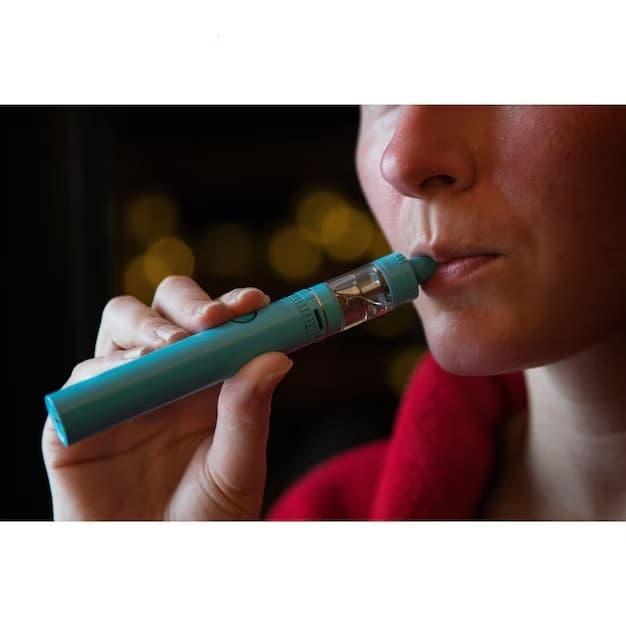 Liquids in E-Cigarette Vapour Harmful to Others or Not” /> they contain pose any harm.
Analyzing the Chemicals Released in E-Cigarette Vapour
Research has shown that e-cigarette vapour contains fewer toxic chemicals compared to traditional cigarette smoke. However, it still delivers substances such as nicotine, ultrafine particles, and trace amounts of volatile organic compounds. The liquids used often contain nicotine, which is an addictive stimulant that can affect cardiovascular and neurological systems. Additionally, other chemicals present in the vapour—as a result of the heating process—might include formaldehyde, acetaldehyde, and acrolein, albeit generally at much lower levels than conventional smoking.
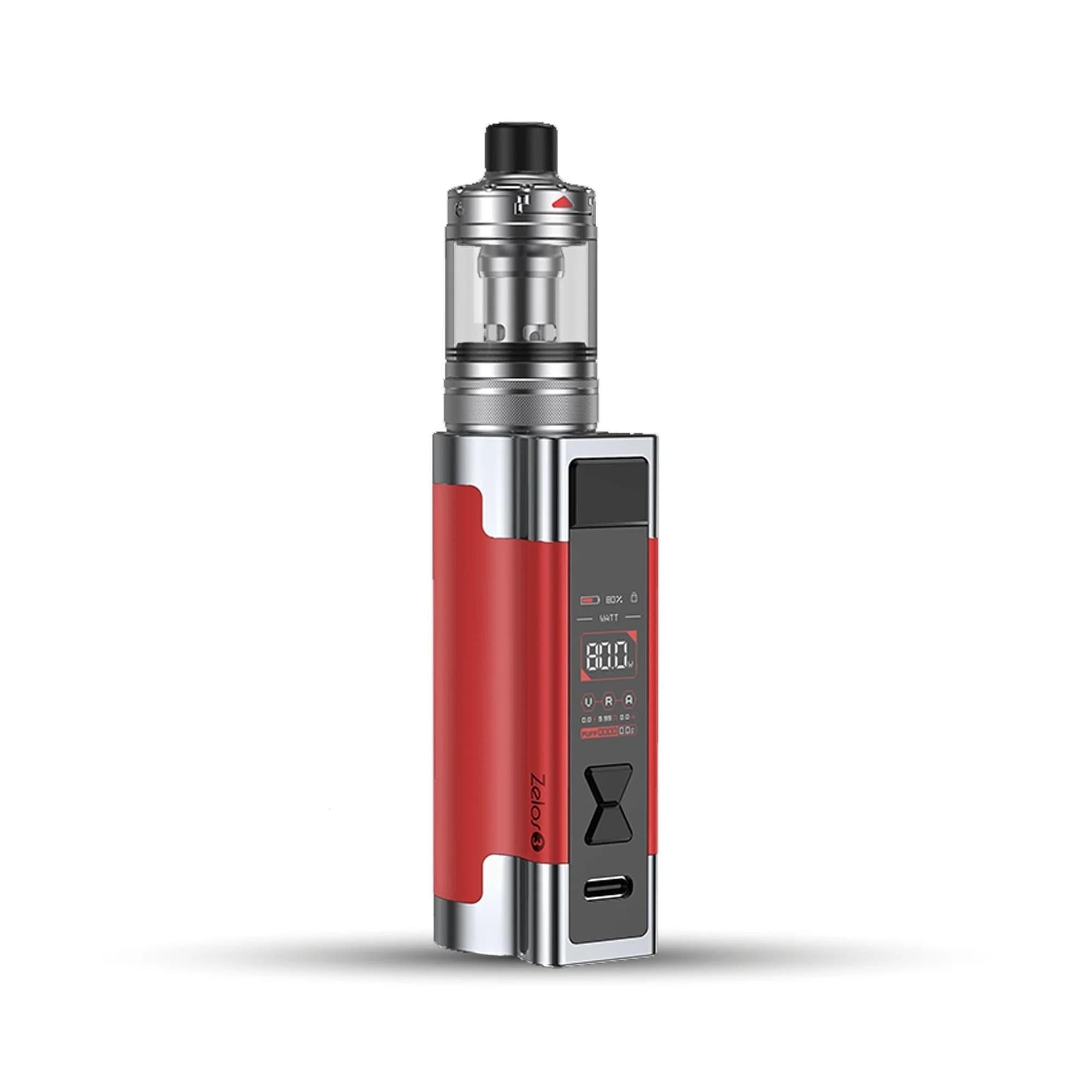
Potential Risks for Non-Vapers Exposed to Secondhand Vapour
The impact of passive exposure to liquids in the vapour and their byproducts has become a growing concern. While secondhand smoke from combustible cigarettes is known to cause health issues for non-smokers, emerging evidence suggests that secondhand vapour exposure is less harmful but not completely risk-free. People around vapers may inhale nicotine and particulates suspended in the air, leading to throat irritation, allergic reactions, or exacerbating respiratory conditions such as asthma.
It is important to highlight that the concentration of harmful constituents in secondhand vapour is typically much lower than in traditional cigarette smoke. Yet, vulnerable populations, including children, pregnant women, and those with pre-existing medical conditions, are advised to avoid exposure whenever possible due to potential sensitivity to these chemicals.
Regulatory Perspective and Scientific Consensus
Globally, regulatory bodies like the World Health Organization (WHO) and the Centers for Disease Control and Prevention (CDC) emphasize that although e-cigarette vapour contains fewer harmful substances compared to conventional cigarettes, it is not harmless. Current data support restrictions on vaping in public indoor spaces to protect non-users from involuntary exposure to nicotine and other vape constituents. Ongoing studies continually assess the long-term effects of passive exposure to these liquids transformed into vapour.
Measures to Minimize Exposure Risks
For those concerned about the potential hazards of liquids in e-cigarette emissions, practical steps can be taken to reduce exposure risks. These measures include designating vaping areas outdoors away from non-users, providing education on responsible vaping practices, and encouraging the use of low-nicotine or nicotine-free liquids. Awareness campaigns also play a significant role in informing the public about possible respiratory or allergic effects caused by prolonged contact with secondhand vapour.
Environmental Impact of E-Cigarette Vapour
Beyond immediate health concerns, the residue from liquid-based vapours can settle on surfaces, contributing to indoor air pollution. Studies measuring the deposition of chemical residues from vapes indicate possible contamination similar to “thirdhand smoke,” but to a comparatively lesser degree. Consequently, cleaning protocols and improved ventilation are recommended in public and private venues where vaping occurs.
Summary
In conclusion, while the risks posed by liquids in e-cigarette vapour to others are significantly lower than those from traditional smoking, they are not entirely negated. Non-smokers, especially sensitive individuals, can experience adverse effects from exposure to aerosols containing nicotine and other chemicals emitted by vaping devices. Responsible use, informed public policies, and continuous scientific evaluation are paramount to mitigating potential health effects related to passive vaping.
Frequently Asked Questions about E-Cigarette Vapour and External Exposure
- Is secondhand e-cigarette vapour safe to breathe?
- While less harmful than traditional cigarette smoke, secondhand vapour still contains nicotine and chemicals that could irritate the lungs or trigger allergic responses in sensitive individuals.
- Can children be affected by passive exposure to e-cigarette vapour?
- Yes, children have developing respiratory systems and might be more vulnerable to negative effects such as airway inflammation or asthma exacerbation.
- Do all e-cigarette liquids contain nicotine?
- No, some liquids are formulated without nicotine; however, they may still release other chemicals when vaporized.
- What precautions can non-vapers take to avoid exposure?
- Avoiding areas where vaping occurs indoors and ensuring proper ventilation reduces inhalation of secondhand vapour.