
Current Legal Status of E-cigarettes in India: Updated Regulations and Emerging Trends
Understanding whether e-cigarettes are legal in India has become increasingly important for consumers, health professionals, and vendors alike. Over the past decade, e-cigarettes—often marketed as safer alternatives to traditional tobacco products—have seen a surge in interest. However, regulatory measures have evolved, prompting questions about their current status.
Overview of E-cigarettes and Their Appeal in India
E-cigarettes, or electronic nicotine delivery systems (ENDS), function by vaporizing a nicotine-laced liquid. Their popularity among Indian youth and adults is largely attributed to perceptions of harm reduction and the appeal of flavored products. With India being one of the world’s largest consumers of tobacco, the entry of e-cigarettes was viewed both as an opportunity for public health advancement and a new set of risks.
Key Laws Regulating E-cigarettes in India
The legal standing of e-cigarettes in India is primarily dictated by the Prohibition of Electronic Cigarettes (Production, Manufacture, Import, Export, Transport, Sale, Distribution, Storage and Advertisement) Act, 2019. This act, passed by the Indian Parliament in September 2019, effectively banned all forms of e-cigarettes and related devices as a response to rising public health concerns and uncertain long-term impacts.
- Production, manufacture, import, and export of e-cigarettes: Prohibited
- Transport, sale, distribution, and storage: Illegal
- Advertisement and promotion: Banned nationwide
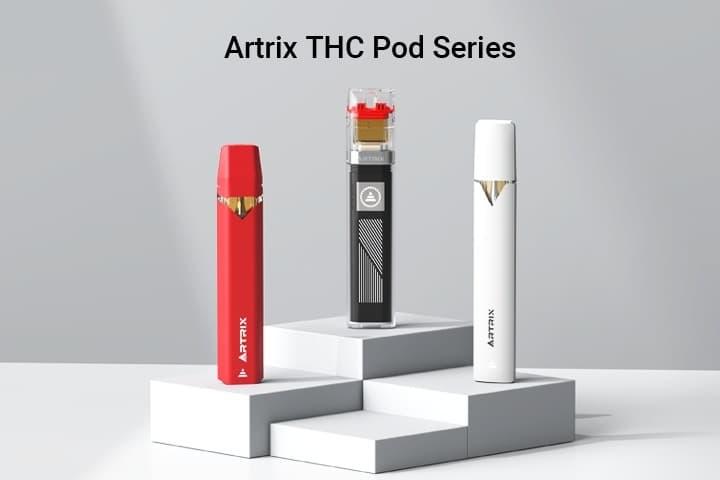
Essentially, are e cigarettes legal in India? The straightforward answer as per current law is no; e-cigarettes are not legally allowed for sale, use, or possession in India.
Rationale Behind the Ban on E-cigarettes
The Indian government’s decision was driven by worries that e-cigarettes might fuel a new wave of nicotine addiction, particularly among youth. Research presented by the Ministry of Health indicated possible gateway effects to traditional tobacco products, unknown health risks associated with prolonged vaping, and the emergence of vaping-related illnesses globally.
Public Health Considerations
Although some international authorities have promoted vaping as harm reduction, the Indian government opted for a blanket ban, citing the precautionary principle. The World Health Organization’s stance, highlighting insufficient evidence of long-term safety, was influential in shaping national policy. Further, the increase in underage use and unregulated retail practices contributed to the regulatory clampdown.
Recent Developments and Enforcement
Since the 2019 ban, authorities have carried out periodic raids and seizures of illegal e-cigarettes across several states. Vendors found violating the law may face imprisonment of up to one year or a financial penalty, with repeat offenders subjected to stricter punishments. Online platforms and import channels are also under scrutiny, as attempts to circumvent the law persist. State governments, such as Maharashtra, Tamil Nadu, and Delhi, have issued additional advisories reinforcing these regulations.
Exceptions and Loopholes
Notably, the law does not criminalize personal use or possession; instead, its focus is on curbing supply chains. However, purchasing, importing, or selling e-cigarettes remains illegal, creating a gray zone that leaves individual consumers exposed to potential penalties if found with large quantities or engaging in trade.
Global Perspective: How India Compares
India’s stringent ban contrasts with several other countries that regulate, rather than prohibit, e-cigarettes. For example, the UK and parts of the EU permit regulated sale under age restrictions and product standards. The United States allows e-cigarettes but with heavy oversight by the FDA. India’s approach stands out for its zero-tolerance policy, justifying its stance on public health grounds amid an ongoing tobacco epidemic.
Legal and Social Impact of the Ban
Since enforcement, traditional tobacco sales remain dominant, while the black market for ENDS is a growing concern. Some advocacy groups argue that the ban may drive users to less safe, unregulated products, and potentially slow harm reduction efforts. However, health experts contend that banning e-cigarettes could prevent a new generation from developing nicotine dependency.
Recent Judicial Actions
Several court cases have challenged the 2019 ban, mostly without success. The judiciary has sided with legislative intent, emphasizing the need to prioritize population health and limit addictive substances.
Are There Any Prospects for Regulatory Change?
Some public health organizations and advocacy groups continue to push for regulated use over a blanket ban, arguing for an approach similar to Western models with strict age and quality restrictions. As of now, no significant policy reversals are anticipated, and the Ministry of Health has reaffirmed its commitment to upholding the prohibition.
Educational Campaigns and Awareness
In addition to legal actions, the government and non-profits have ramped up awareness campaigns about the dangers of e-cigarettes and vaping. Efforts include outreach in schools and colleges, widespread social media campaigns, and resources for quitting tobacco and nicotine.
Conclusion: The Definitive Answer
For those wondering about the legality of e-cigarettes in India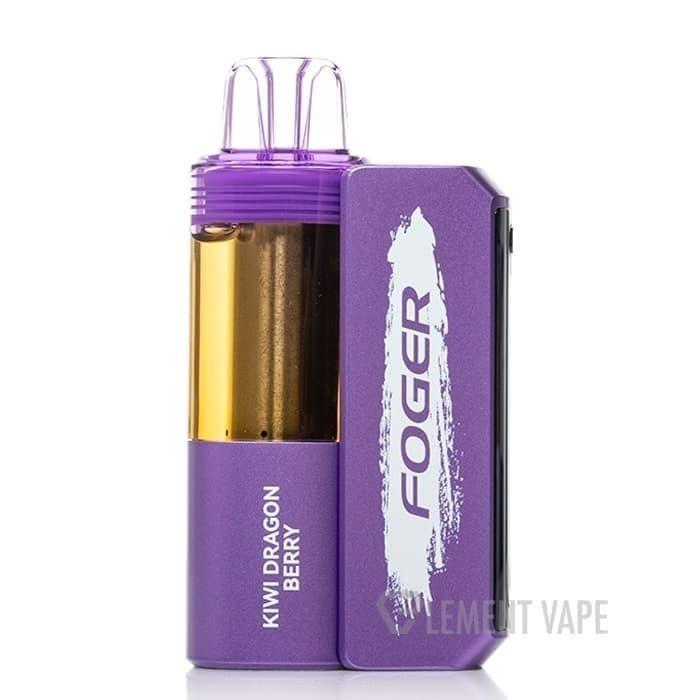
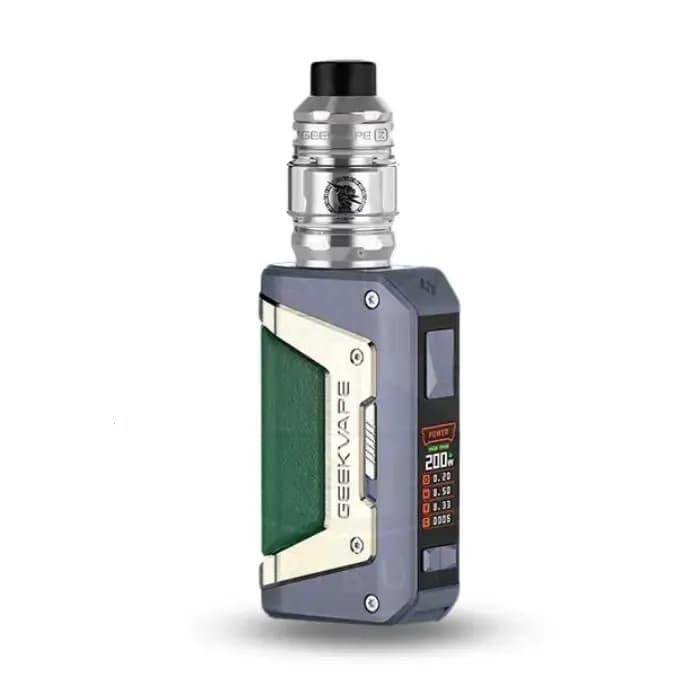 , current laws make it unequivocally clear that production, sale, import, export, and advertisement are all prohibited. Despite ongoing debates and global shifts towards regulated use, India maintains a robust anti-e-cigarette stance grounded in public health prioritization.
Frequently Asked Questions
- Can I buy e-cigarettes online in India?
- No, online sale of e-cigarettes is prohibited. Websites and apps selling these products operate illegally and can be penalized.
- Is it legal to possess an e-cigarette for personal use?
- While personal possession isn’t specifically criminalized, acquiring e-cigarettes itself is unlawful due to a ban on sales, imports, and distribution. Possession of significant quantities can lead to legal prosecution.
- Are there any plans to reverse the ban?
- Currently, the government shows no indication of reversing the ban. Discussions about regulated legalization exist but are not underway in legislative terms.