
how does electronic cigarette work — a clear, user-friendly walkthrough by IBvape
If you are new to vaping or curious about the science and practical steps behind inhaling vapor instead of smoke, this in-depth guide will explain the core principles of operation and show how IBvape simplifies the entire experience for beginners. The goal here is to answer the central search question “how does electronic cigarette work” while also exploring device components, the physics of vapor production, safety considerations, and hands-on tips for first-time vapers who choose IBvape starter solutions.
Core components: what’s inside an e-cigarette and why each part matters
To understand how does electronic cigarette work, break the device down into four essential systems: power, heating, liquid management, and user interface. Each system interacts to produce a controlled aerosol that delivers flavor and nicotine (if present) without combustion. Typical parts include the battery or power cell, the coil (resistor) and wick assembly housed in an atomizer or pod, the e-liquid reservoir (cartridge, tank or pod), and control electronics (button, sensor, LED, or chipset). IBvape packages these elements into intuitive kits that emphasize reliability and ease of use, reducing the learning curve for new vapers.
Battery / power source
The battery provides the electrical energy needed to heat the coil. Modern devices use lithium-ion cells or integrated battery packs. When the device is activated (by pressing a button or by a draw-activated sensor), current flows from the battery through the coil. Power output (measured in watts) and voltage determine how quickly and how hot the coil will become. Knowing this relationship is key to understanding how does electronic cigarette work on a technical level: Power (P) equals voltage squared divided by resistance (P = V^2 / R), so coil resistance and battery voltage together control heat generation.
Coil and wick (the heat and liquid interface)
The coil is a resistive wire, commonly made from Kanthal, Nichrome, stainless steel, or newer alloys like nickel and titanium for temperature control. The wick—made from cotton, ceramic, or fiberglass—soaks up e-liquid and delivers it to the coil. As the coil heats, the e-liquid in the wick vaporizes into an aerosol. This tiny cloud contains nicotine (if present), flavor compounds, and other dissolved or suspended constituents. IBvape supplies pre-built coils and pre-wicked pods so beginners avoid hands-on maintenance until they are ready to learn coil changes and wicking.
Cartridge / tank / e-liquid reservoir
The reservoir stores the e-liquid, a mixture typically including propylene glycol (PG), vegetable glycerin (VG), nicotine (optional), and flavorings. Cartridge designs range from disposable pre-filled pods to refillable tanks. Pods simplify the question of how does electronic cigarette work by combining the coil and reservoir into a single replaceable unit—no messy refills or coil swaps. IBvape offers pod systems that fit the needs of beginners: pre-filled options, visible levels, and leak-minimizing seals.
Control electronics and safety features
Most modern devices include basic circuitry that limits maximum puff duration, prevents short circuits, and monitors battery status. Advanced kits include wattage control, temperature protection, and pre-set modes. These features matter because they shape the experience and protect hardware and users from misuse. IBvape‘s beginner devices prioritize safety with locked wattage profiles and automatic cut-off timers so novices can focus on learning about flavors and nicotine levels rather than technical adjustments.
From electricity to vapor: the step-by-step process
- Activation: The user initiates a puff either by pressing a button or by drawing on the mouthpiece. The device senses this action and closes the circuit.
- Current flow: The battery supplies current through the coil; resistance determines heat produced.
- Liquid transfer: The wick draws e-liquid from the reservoir into the heated area via capillary action.
- Vaporization: The coil heats the liquid rapidly, converting a fine portion into an aerosol.
- Aerosol delivery: The user inhales the aerosol through the mouthpiece. Condensation can form on inner surfaces and returns to the reservoir or escapes as visible vapor.
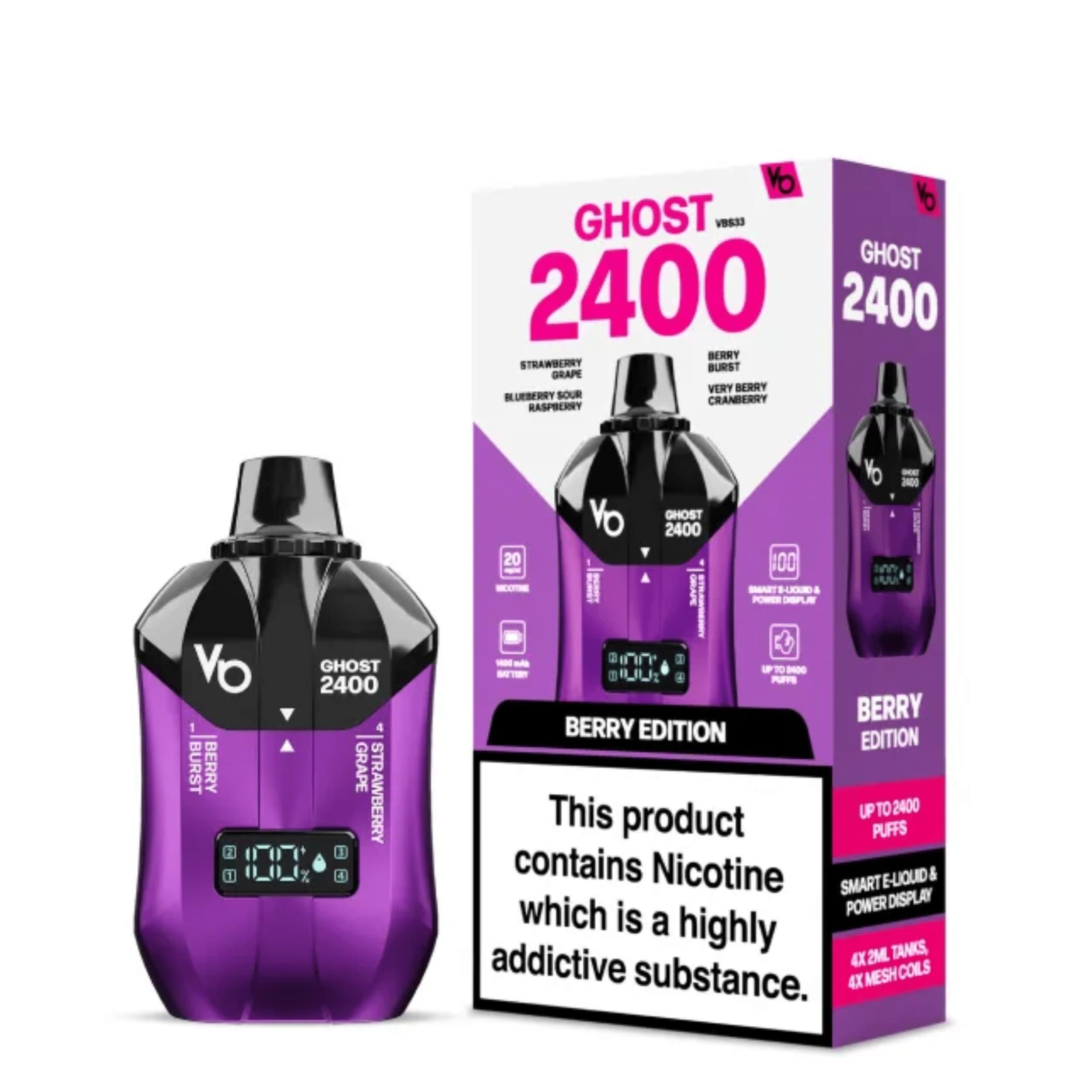
These steps collectively answer the common query how does electronic cigarette work in plain language: it’s essentially a controlled, electrically driven aerosol generator that transforms a liquid into an inhalable mist without burning tobacco.
Types of devices and how they change the experience
Devices vary by complexity and use-case. Key categories include cig-a-likes, pod systems, vape pens, and advanced box mods. For beginners, pod systems are the most forgiving and easiest to understand—again a reason why IBvape centers its product line on pod-based starter kits. Pods require minimal maintenance: swap a pod, charge the device, and you’re ready.
Mouth-to-lung (MTL) vs. direct-to-lung (DTL)
MTL mimics the draw from a cigarette, producing a tighter inhale and often paired with higher-nicotine e-liquids or nicotine salts. DTL is airier and produces larger clouds, favored by experienced vapers using low-nicotine, high-VG blends. IBvape provides guidance and device settings to help beginners choose between MTL and DTL experiences and select compatible coils and e-liquids.
Why understanding the basics of how a device works improves safety and satisfaction
Knowing how parts interact helps you avoid common problems like dry hits (when the wick is dry and overheats), leaks, or coil burnout. For example, a low-resistance coil with high wattage can rapidly burn a wick if the e-liquid level is insufficient or if the device is misused. IBvape reduces these risks by offering matched pods and coils calibrated to the battery output, clear fill lines, and instruction guides that explain ideal e-liquid viscosities and nicotine strengths for each kit.
Tip: If you’re asking how does electronic cigarette work because you want to switch from smoking, start with a nicotine strength and a draw style that mimic your cigarettes—IBvape starter kits are designed to help you do just that.
Choosing the right e-liquid and nicotine level
Understanding e-liquid composition is part of understanding how does electronic cigarette work. PG carries flavor and throat hit more efficiently, while VG produces thicker vapor. Nicotine strength influences how satisfying a puff feels and how well the product helps relieve cravings. Beginners often benefit from nicotine salt formulations available in pod systems because salts provide smoother throat hits at higher nicotine concentrations. IBvape labels products clearly and offers sample packs so new users can find a comfortable nicotine level and flavor profile without guessing.
Maintenance and best practices
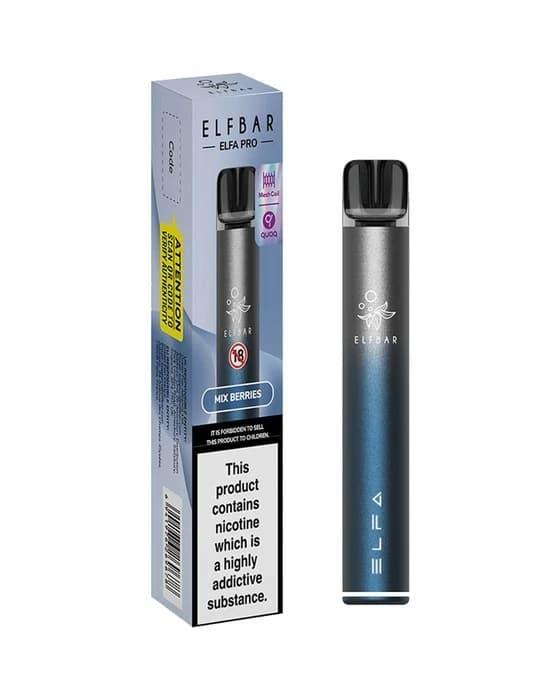
- Keep pods and tanks filled above the minimum line to prevent dry wicking.
- Prime new coils as per manufacturer recommendations—add a few drops of e-liquid to the wick before first use.
- Charge batteries with the supplied charger and avoid exposing them to extreme temperatures.
- Replace coils or pods when flavor declines or a burnt taste appears.
By following these steps, you’ll maintain consistent performance and extend device life. IBvape includes simple maintenance guides with every kit, plus video tutorials for visual learners.
Common troubleshooting: quick fixes for everyday issues
Some issues are very common and easy to solve: weak vapor can be caused by low battery, clogged airflow, or an exhausted coil; leaking may result from improper pod seating or overfilling; a burnt taste means you need a new coil or more e-liquid. These are practical answers to the user question how does electronic cigarette work in the sense that knowing the mechanism helps you diagnose the symptom.
How IBvape simplifies vaping for beginners
IBvape focuses on four pillars to reduce friction for new users: simplicity, safety, education, and support. Simplicity: intuitive pod systems and pre-configured power output remove the need for manual adjustments. Safety: built-in protections against short circuits and over-discharge. Education: easy-to-read manuals, visual guides, and clear labeling on pods and e-liquid. Support: responsive customer service and replacement parts readily available.
By delivering a matched ecosystem—pods, coils, chargers, and e-liquids that are designed to work together—IBvape answers many beginner questions automatically, allowing users to focus on whether they enjoy the flavor and nicotine delivery rather than on trial-and-error technical tuning.
User flow with an IBvape starter
- Unbox the kit and read the short quick-start guide.
- Charge the device to the recommended level.
- Insert a pre-filled or pre-wicked pod, and check for a secure fit.
- Take a few primed puffs or wait a minute if recommended for pre-filled pods.
- Adjust your puffing style and nicotine strength based on satisfaction and throat hit.
This flow demonstrates how IBvape turns the technical explanation of how does electronic cigarette work into a step-by-step, low-friction consumer experience.
Health, regulation, and responsible use
While this article explains the technical operation of electronic nicotine-delivery systems, it’s important to emphasize responsible use. Vaping is intended for adult smokers trying to switch away from combustible cigarettes. Regulations and recommendations vary by country; IBvape complies with applicable laws and advises customers to follow local age and product restrictions. If you have medical concerns, consult a healthcare professional about nicotine use. Understanding the mechanism—how e-liquid turns into aerosol—helps contextualize why devices are regulated, especially in terms of ingredients, advertising, and packaging.
Advanced insights: airflow, coil chemistry, and flavor delivery
For those who want to move beyond the basics, consider these deeper technical factors that influence the answer to how does electronic cigarette work: coil surface area and material affect how flavor and vapor are produced; airflow design changes particle size in the aerosol and modifies throat hit; e-liquid viscosity (relation of PG/VG mix) alters wicking speed and vapor density. IBvape outlines these variables in learning resources and curates products that balance them for predictable performance.
Practical example: a 1.2-ohm MTL coil paired with a 50/50 PG/VG nicotine salt in a pod will produce a cigarette-like draw and rapid nicotine satisfaction. A 0.4-ohm DTL coil with high-VG juice favors cloud production and lower nicotine levels. Knowing this makes the question how does electronic cigarette work actionable: you choose hardware and e-liquid to match desired outcomes.
Choosing your first kit — a checklist
- Type: prefer pod systems for simplicity.
- Nicotine: start with a moderate level that matches your cigarette habit.
- Maintenance: look for replaceable pods or pre-filled cartridges to avoid complex coil changes.
- Safety: verify battery protections and official certifications.
- Support: choose brands with clear guides and customer service—IBvape scores high on this metric.
Environmental and disposal considerations
Electronic devices and cartridges require proper disposal. Batteries should be recycled through appropriate channels, and single-use pods should be disposed of according to local waste regulations. IBvape encourages responsible disposal and partners with recycling programs where available.
Summary — clear answers for curious minds
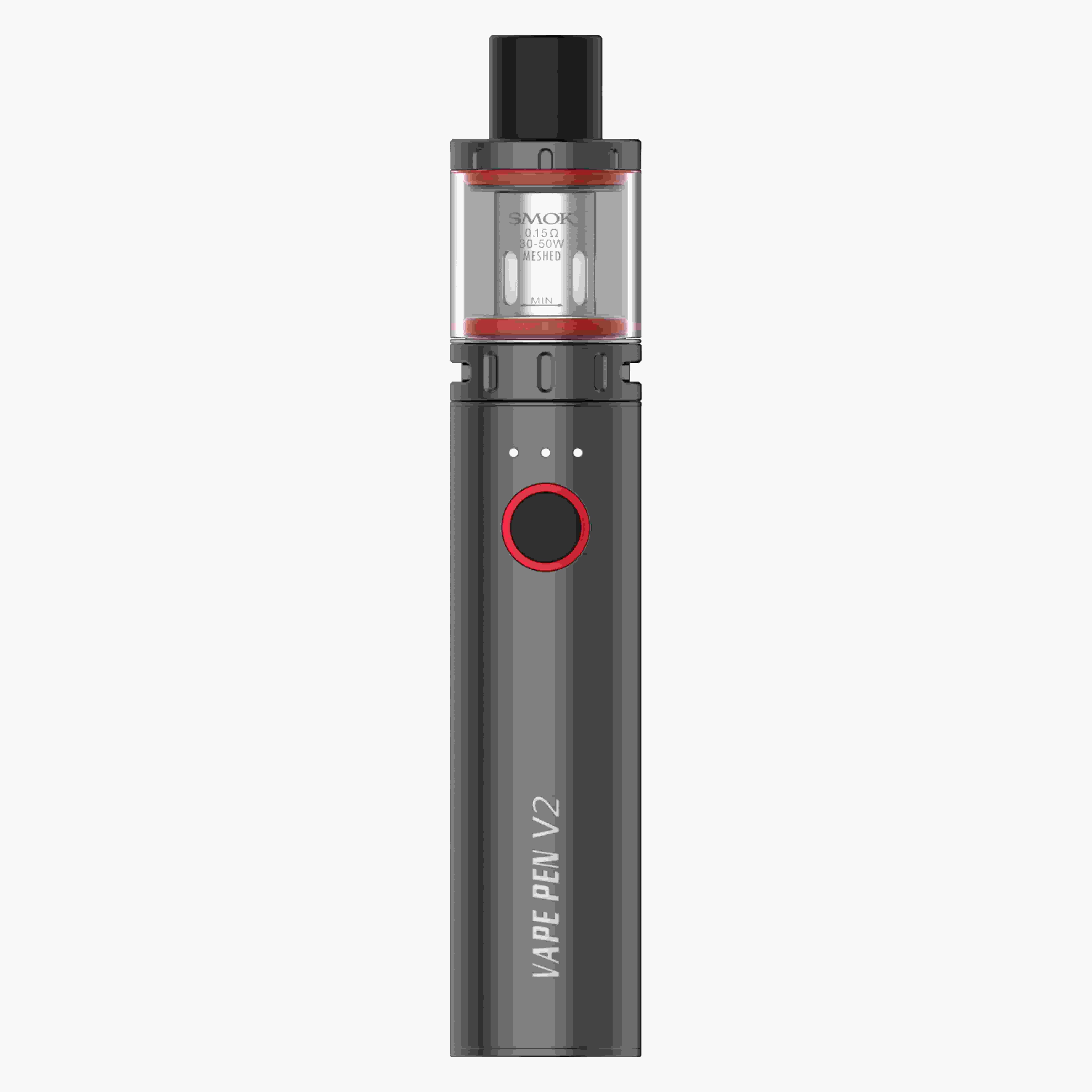
To summarize the central idea: how does electronic cigarette work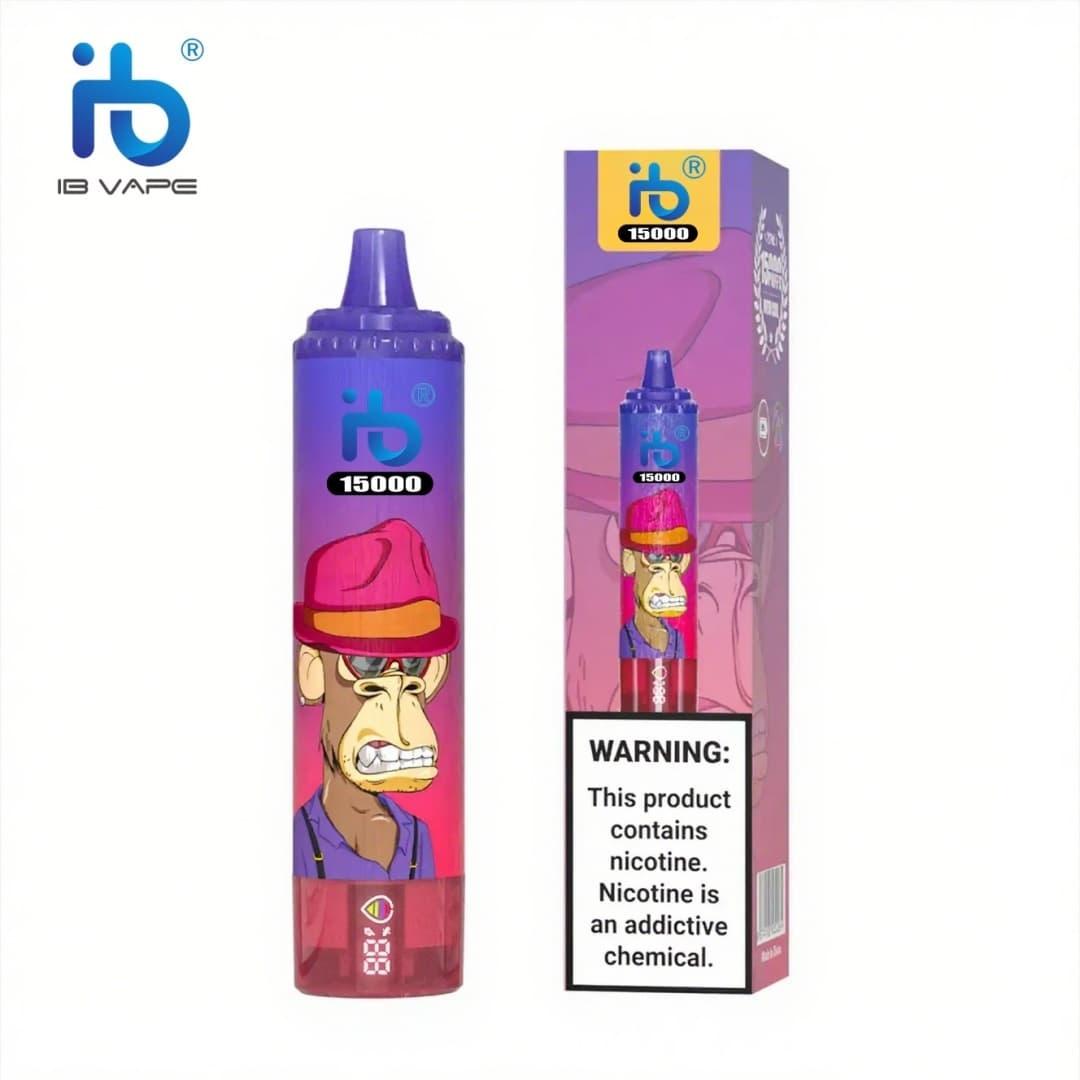 can be reduced to a cycle of electrical energy converted into heat that vaporizes a liquid held in a wick, which is then inhaled as an aerosol. That simple chain—battery, coil, wick, liquid, mouthpiece—defines the experience. Brands like IBvape remove complexity by delivering pre-engineered combinations so beginners can learn by doing, with minimal setup and clear safety margins.
Next steps for new users
Try a sample pod pack, follow the quick-start guide, and take small, measured puffs while evaluating flavor and nicotine satisfaction. Keep maintenance habits simple: charge, refill or swap pods, and replace worn components. Over time, you can explore variable wattage devices, custom coils, and a wider range of e-liquid blends if you wish.
FAQ
Answer: Most public-health authorities agree that vaping is likely less harmful than continuing to smoke combustible tobacco because it avoids combustion and most products eliminate many toxicants present in cigarette smoke. However, vaping is not risk-free and should be used by adults as a smoking alternative or cessation tool, not by non-smokers or youth.
Q2: How often do I need to replace coils or pods?
Answer: Replacement frequency depends on usage, e-liquid composition, and device type. For pod systems, pods typically last several days to two weeks. Replace coils or pods when flavor diminishes or you taste a burnt note.
Q3: Can I use any e-liquid in an IBvape pod?
Answer: Use the e-liquid types recommended by the manufacturer. Pre-filled pods are matched to device output and using incompatible liquids can cause poor performance or leak issues.