
Smart Vaping Travel Guide for IBvape Fans
Travel-savvy vapers who enjoy the IBvape experience often ask practical questions about transporting their devices and supplies. This guide focuses on responsible, legal, and convenient ways to pack and carry vaping gear while keeping safety and compliance front and center. We’ll cover airline rules, battery best practices, carry-on vs checked baggage considerations, international variances, and real-world tips so you can enjoy your trip without surprises. Throughout this article you’ll find actionable recommendations for all IBvape users and clear answers to the common concern: can e cigarettes go in carry on luggage and how that interacts with IBvape gear.
Carry-On vs Checked Luggage: Where Should IBvape Devices Go?
One of the most frequent planning steps for a trip is deciding what goes in your carry-on and what goes in checked luggage. Airlines, aviation security authorities, and most national regulators prioritize the safe transport of lithium batteries and electronic devices. For IBvape devices and similar personal vaporizers, the best practice is to pack your devices and batteries in your carry-on. This approach reduces fire risk in the cargo hold and allows security staff to inspect devices if necessary. To be explicit: many agencies and carriers permit e-cigarettes and vaporizers in carry-on but prohibit them in checked baggage — so always plan to store active devices, spare batteries, and e-liquid bottles in your hand luggage.
Why carry-on is usually safer
Carry-on offers several safety and compliance advantages: it keeps batteries within reach, avoids pressure and temperature extremes in the hold, and allows you to manage accidental leaks or malfunctions immediately. For IBvape devices specifically, that means you can switch off devices, remove batteries if needed, and comply with any crew instructions quickly.
When checked luggage might be allowed
Some airlines or countries may accept non-powered accessories in checked baggage, such as empty tanks or non-battery components. However, the safest and most consistent approach is to treat all battery-powered elements as carry-on items.

Actionable checklist
- Place all powered devices, IBvape units, and spare batteries in your carry-on.
- Pack e-liquids under 100 ml (3.4 oz) in a clear plastic bag if in carry-on, following the liquid rules of the airline.
- If airline rules are unclear, contact the airline and the departure airport two weeks before travel.
Battery Safety and Regulations
Lithium batteries require careful treatment. For IBvape users, this means removing batteries from devices when instructed, using protective covers for spare cells, and never placing loose batteries in checked baggage. Replaceable batteries should be stored in plastic cases that prevent short-circuiting. For built-in batteries, make sure the device is powered off and that any safety locks are enabled.
Common battery rules to remember
- Most airlines limit capacity per battery (often measured in Wh) — check the airline’s policy if you carry high-capacity cells.
- Spare batteries typically must be in carry-on and individually protected against short circuits.
- Tamper-resistant packaging for e-liquid bottles and devices can minimize leakage and inspection delays.
Labels and documentation
Keep receipts or manufacturer documentation for unusual or high-capacity batteries. If traveling internationally with multiple spare batteries, some customs or security agents may ask for proof of purpose and safety. For professional or high-volume IBvape distributors, formal documentation is essential to avoid misunderstandings.
Liquids, E-Liquids, and the 100 ml Rule
The universal liquids rule for carry-ons at many airports restricts individual containers to 100 ml (3.4 oz) and requires them to fit in a single clear quart-sized bag. This applies to most refill bottles or e-liquid containers. If you prefer to travel with larger quantities, check the connecting airports’ rules or look into shipping supplies ahead of time. For short trips, decanting into smaller, compliant bottles is an easy workaround.
Tips for transporting e-liquids
- Use leak-proof bottles and store them upright in a sealed plastic bag.
- Label bottles clearly with contents and nicotine strength; this can help during security inspections.
- Consider carrying nicotine patches or gum as a backup when crossing strict borders where e-liquid import rules are ambiguous.
Airport Security Screening: What to Expect
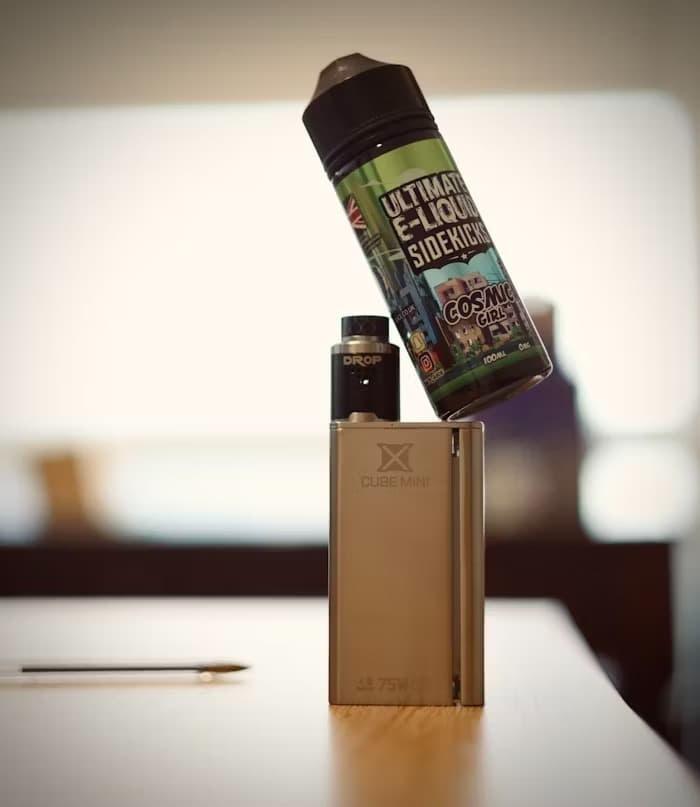
Security lines can be a source of stress. Knowing what to expect reduces delays. When you present your carry-on, remove devices from bags if asked, place them in a separate bin, and keep e-liquid bottles accessible for inspection. Highlighting your IBvape device or referencing local regulations is not necessary, but being cooperative, prepared, and informed speeds up the process. Keep a compact case for your IBvape kit to make removal and re-packing fast.
Handling secondary screenings
If your bag requires additional screening, remain calm and be ready to demonstrate the device is powered off. Do not attempt to hide supplies — transparency prevents confiscation and delays.
International Travel: Rules Vary by Country
Regulations governing vaping differ worldwide. Some countries ban nicotine-containing e-liquids, while others restrict batteries and devices. Before traveling internationally with IBvape products, check:
- Airline policies (departure and arrival carriers).
- Airport websites for carry-on and checked baggage rules.
- Customs and import rules of the destination country.

Failing to research may result in confiscation, fines, or legal issues. For example, certain countries treat nicotine e-liquid as a controlled substance; others allow only prescribed nicotine replacements. Always verify ahead of time and consider carrying a printed copy of local rules or a digital screenshot.
Best practices for cross-border trips
- Travel with minimal e-liquid volume if visiting areas with uncertain rules.
- Use disposable or closed-system devices where legal restrictions are tighter.
- Consider mailing supplies in advance to a hotel if local laws permit and you have time.
IBvape Brand-Specific Recommendations
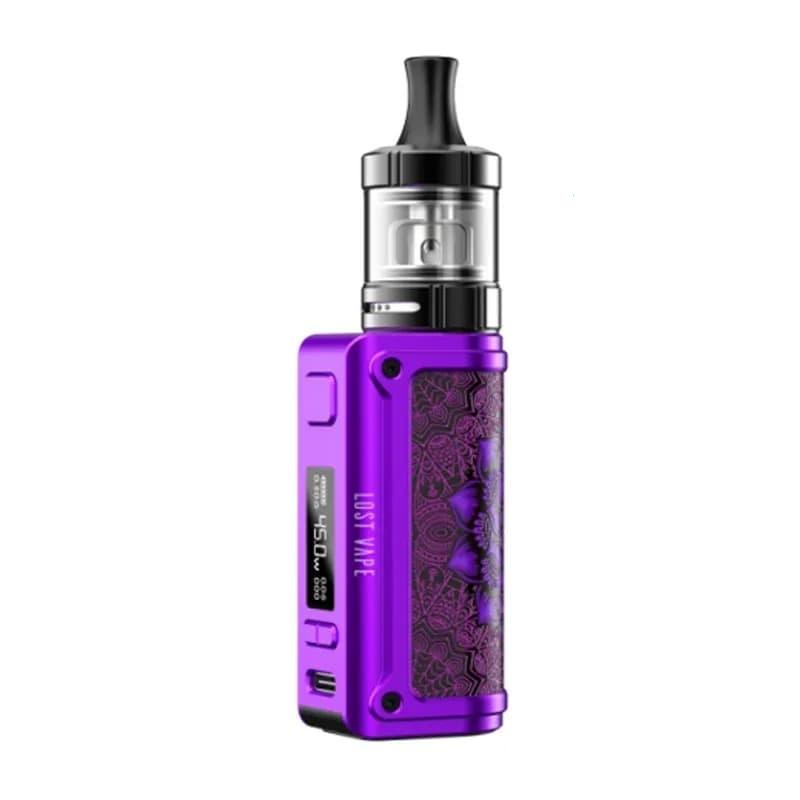
IBvape users benefit from device-specific guidance. If your IBvape model has removable batteries, store them in individual protective cases. If it uses integrated batteries, ensure the device is switched off and secured. Always follow the manufacturer’s charging and storage guidelines to reduce the risk of malfunction during transit. Carry manufacturer documentation in case a security officer requests details about battery type or device operation.
Packing an IBvape travel kit
- Primary IBvape device in a padded case.
- Spare coils and an extra tank, if desired, placed in checked or carry-on according to local rules (prefer carry-on).
- Multiple small e-liquid bottles under 100 ml, clearly labeled.
- Battery cases for spare cells and a small toolkit for coil changes (keep metal tools minimal to avoid security flags).
Packing and Presentation: Make Security Checks Easier
Organize your carry-on with a dedicated vaping pouch so security personnel can quickly identify items. Transparent bags for e-liquids and a compact, clearly labeled case for batteries reduce the likelihood of secondary screening. If your IBvape kit includes glass components, wrap them to prevent breakage. A tidy presentation demonstrates responsible handling and often leads to faster processing.
Onboard etiquette and airline policies
Remember that smoking and vaping on aircraft is prohibited. Using an IBvape device onboard can result in fines or other penalties. Even in airports, stay aware of designated smoking areas — some airports offer clearly marked vaping zones while others ban vaping entirely. Respect signage and crew requests at all times.
Preparing for Unexpected Scenarios
Planning reduces the chance of disruption. For example, if your carry-on is selected for deeper inspection, having spare e-liquid in labelled bottles and a printed summary of your IBvape device specs helps. If an airport or country forbids nicotine-containing liquids, be prepared to discard them or risk confiscation. Carry nicotine alternatives to manage cravings and avoid breaking local law.
Dealing with confiscation
If an item is confiscated, request a receipt and keep a record of what was taken. Many airports provide documentation; insist politely on a clear explanation. For high-value or crucial gear, consider shipping items ahead of travel via a courier that permits batteries, or arrange to purchase replacement supplies at your destination.
Checklist Before You Fly
Use this compact checklist to ensure a smooth journey with IBvape products:
• Devices powered off and stored in carry-on
• Spare batteries in protective cases, in carry-on
• E-liquids in 100 ml containers inside a clear plastic bag
• Manufacturer documentation accessible
• Local law and airline policy confirmed for destination
• Backup nicotine aids packed
Real-World Scenarios and Tips
Scenario: You pass through a strict security checkpoint that requires devices out of bags. Keep a compact IBvape case easily reachable, remove batteries and place them in separate bins if asked, and be ready to show e-liquids are under limit. Scenario: You’re connecting through a country with harsher rules. Consider checking liquid quantities into a single transit bag or shipping supplies ahead. Scenario: You’re traveling domestically but during a long layover—store devices safely and never attempt to vape in transit lounges that forbid it.
Case study — short-haul flights
On short domestic flights, cabin crew and airport security are most likely to enforce common-sense carry-on rules. The typical outcome for a prepared IBvape traveler is quick screening with no confiscation. In the rare case of dispute, polite cooperation and reference to airline policy usually resolve matters.
Legal and Health Considerations
Regulations may evolve; some regions enact temporary bans or sudden restrictions. Stay updated by checking official aviation authority websites, embassy advisories, or trusted vape community resources. From a health standpoint, carry extra coils or parts if you’re on a nicotine reduction plan and need reliable device performance.
Insurance and liability
If you’re a frequent traveler, consider travel insurance that covers lost or confiscated personal effects. For business or promotional travel with IBvape products, verify carrier and customs rules to prevent costly interruptions.
Top Tips Summary for the IBvape Traveler
- Always treat batteries as sensitive cargo and prefer carry-on storage.
- Keep e-liquids under the 100 ml rule for carry-on items, or ship them in advance when larger quantities are needed.
- Organize a travel pouch containing IBvape equipment, documentation, and a minimalist toolkit.
- Check airline and destination rules early and have contingency plans for confiscation or unexpected restrictions.
- Respect no-vaping zones and crew instructions to avoid fines or penalties.
Keyword reinforcement
To make sure travelers can find guidance quickly, this article uses the phrases IBvape and can e cigarettes go in carry on luggage throughout the content to emphasize core search intents: brand-specific travel advice and the common policy question about carrying e-cigarettes in hand luggage. These phrases appear in contextual headings and lists to support clear answers for searchers.
Final practical reminder
Before you leave, double-check your carry-on for all IBvape items, keep important documentation accessible, and be ready to demonstrate compliance with safety rules. Responsible packing and respectful behavior make flying with vaping devices straightforward.
FAQ
Q1: Can I take my IBvape device in my carry-on?
Yes — most airlines require devices and spare batteries to be carried in hand luggage. Ensure devices are powered off and spare batteries are protected.
Q2: Are e-liquids allowed in carry-on?
Generally, e-liquids are allowed in carry-on if each container is 100 ml (3.4 oz) or less and all containers fit in a single clear plastic quart bag. International rules may differ.
Q3: What happens if my IBvape gear is confiscated?
If items are confiscated, request a written receipt, document the incident, and contact the airport’s customer service. For valuable or necessary equipment, consider shipping it ahead next time or buying replacements at your destination.