
Sustainable steps from a leading vapor retailer: an overview
Across an industry that often prioritizes convenience over cradle-to-cradle thinking, E cigi bolt is positioning itself as a practical example of how retail brands can reduce environmental impact while preserving customer experience. This article explores the strategic thinking, operational details, and consumer guidance behind new programs focused on e cigarette recycling, the logistics of vape waste collection, and the measurable benefits of adopting circular practices. Readers will find clear guidance for consumers, partners, and policy advocates looking to support or replicate similar programs, as well as technical background on what makes vape waste challenging to manage.
Why vape waste matters: context and urgency
Vaping devices and disposable e-cigarettes combine plastics, metals, electronics, and chemical residues, creating a complex waste stream. Ordinary municipal recycling systems are not designed to accept lithium batteries or nicotine-contaminated components, and improper disposal risks fires, soil and water contamination, and lost material value. Increasingly, governments, retailers, and manufacturer groups are recognizing that e cigarette recycling is not an optional add-on but an essential part of responsible sales and product stewardship. By emphasizing collection and recovery, brands can reduce landfill loads, recover valuable metals, and avoid hazardous incidents related to improper battery disposal.
How a retailer-driven program works: key pillars
At the center of any successful recycling initiative are four mutually reinforcing pillars: convenient collection, safe handling, certified processing, and customer incentives. E cigi bolt has tailored each pillar to address the specific realities of current vape products.
- Convenient collection: strategically located drop-off points at retail stores and partner locations, mail-back kits for remote customers, and periodic community collection days.
- Safe handling: trained store staff who segregate devices, isolate batteries, and package items to prevent short circuits or leaks before transfer to logistics partners.
- Certified processing: partnerships with specialized recyclers who can disassemble units, recover lithium-ion cells, reclaim metals and plastics, and neutralize nicotine residues safely.
- Customer incentives: trade-in credits, discounts on replacement products, and loyalty points for returning eligible items for e cigarette recycling.
Practical details: what consumers should know
Not all devices are treated equally. Consumers need straightforward rules to follow: discard empty pods and cartridges in store receptacles, remove and tape battery terminals where removable, and never place loose batteries in household recycling bins. E cigi bolt provides step-by-step pictograms at collection sites and online, helping users identify which products qualify for return programs and which require special handling. Clear labeling and staff guidance reduce contamination in the collection stream, which in turn lowers processing costs and increases recovery rates.
Accepted items vs. non-accepted items
- Accepted: single-use e-cigarettes labeled for return, rechargeable pod systems with batteries attached (when packaged safely), spent cartridges, and empty tanks with minimal liquid residue.
- Not accepted: loose lithium-ion cells without safe insulation, heavily nicotine-soaked materials beyond local treatment specifications, and items that have been modified or damaged in a way that creates a safety risk.
Technical process: from collection to material recovery
Understanding the lifecycle of returned devices helps consumers and policymakers appreciate what happens after drop-off. After initial collection, items are sorted to separate batteries from plastic and metal casings. Specialized recyclers employ mechanical separation, pyrometallurgical or hydrometallurgical processes for metal recovery, and chemical neutralization for nicotine and electrolyte residues. The high-value metals—cobalt, nickel, copper—are reclaimed and reintroduced into supply chains, while plastics can be sorted, cleaned, and repurposed into lower-grade consumer goods. This approach reduces virgin material demand and the carbon footprint of new products.
Health and safety: safeguards that matter
Battery hazards and nicotine contamination are legitimate concerns. E cigi bolt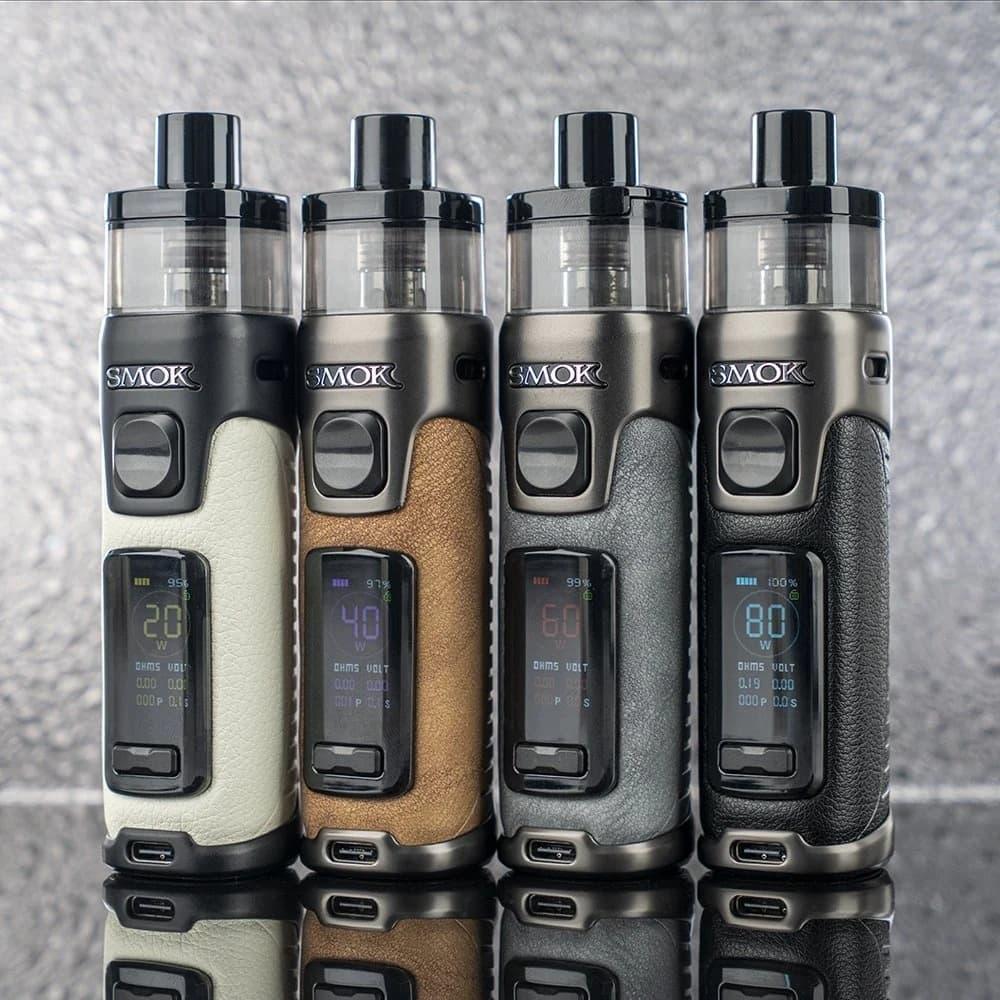 emphasizes PPE for staff handling returns, secure containers for temporary storage, and strict protocols for packaging mail-back kits. Customers are advised to wrap terminals with non-conductive tape and to avoid crushing or puncturing devices. Retail staff receive training on identifying swollen or compromised batteries and on immediate isolation procedures to prevent store incidents.
Regulatory compliance and certification
Recycling programs must align with hazardous waste regulations and battery directives in each market. To build trust, E cigi bolt works with auditors and recyclers who provide documentation of proper material handling and recovery rates. Chain-of-custody records and recycling certificates help retailers report on sustainability metrics and demonstrate compliance to regulators and customers alike. Where extended producer responsibility (EPR) frameworks apply, participating retailers coordinate with manufacturers to ensure cost-sharing and system efficiency.
Business model and incentives: making recycling sustainable
Programs are designed not only to reduce environmental impact but also to create economic incentives that sustain operations. Revenue streams include recovered material sales, EPR contributions, and marketing value from being an eco-conscious brand. E cigi bolt implements a mixed incentive model: consumers are offered small monetary credits or discounts as immediate rewards, while loyalty members can earn points for repeat returns, encouraging habitual and responsible disposal behavior.
Partnerships amplify impact
Retailers are not acting alone. Collaboration with device manufacturers, waste management firms, NGOs, and local authorities multiplies both outreach and operational capability. Cross-sector partnerships enable standardized labeling, wider collection networks, better technical processing options, and aligned messaging that encourages broad consumer participation in e cigarette recycling efforts.
Case study elements you can replicate
- Start with pilot programs in high-density markets to test logistics and customer response.
- Use clear signage and staff scripts to reduce contamination in returned material.
- Deploy mail-back options to include customers in low-density or rural areas.
- Publish recovery metrics to build transparency and customer trust.
Measuring success: key performance indicators
Useful KPIs include number of devices collected, percentage of returned items successfully processed, material recovery rates, reduction in landfill tonnage, and customer participation rate. Tracking these indicators over time allows improvement in collection strategies and in negotiating better terms with recyclers and logistics partners. E cigi bolt reports periodically on these metrics to communicate progress and to meet regulatory disclosure requirements.
Marketing and consumer communication
SEO and content strategies play a role in educating consumers. Effective pages that rank well use clear headings, FAQs, step-by-step guides, and localized information on where to recycle. Embedding keyword-rich content—such as phrases like e cigarette recycling and the brand name E cigi bolt—in headings and anchor text helps search engines connect users looking for recycling options with local drop-off points and program details. Visual content such as short tutorial videos and infographics increase engagement and reduce return contamination rates.
Environmental benefits quantified
When aggregated at scale, retailer-led recycling programs can significantly cut the environmental burden of the vaping product lifecycle. Recovering metals reduces mining pressure, reclaiming plastics decreases fossil fuel consumption for new resin production, and proper battery management prevents fires and soil contamination. These outcomes align with corporate sustainability goals and can be monetized through carbon accounting and circular economy reporting frameworks.
Challenges and how to address them
Common barriers include consumer awareness, collection contamination, and costs associated with safe transport. Solutions involve education campaigns, streamlined drop-off experiences, and financial models that distribute costs among producers, retailers, and customers. Transparency about these tradeoffs builds trust and encourages broader participation in e cigarette recycling.
How retailers can get started: a step-by-step checklist
- Audit current waste streams and identify likely return volumes.
- Engage certified recyclers and define material acceptance criteria.
- Train staff and design in-store collection flow to minimize safety risks.
- Introduce clear customer incentives and communication channels.
- Track KPIs and publish results to stakeholders.

Community engagement and education
Local events, school partnerships, and municipal cooperation help amplify messaging and normalize proper disposal. Community buy-back or exchange events create buzz while addressing the root problem: a lack of clear, convenient disposal pathways. E cigi bolt encourages local NGOs and consumer groups to co-host events that combine public education with practical recycling activities.
International perspectives: adapting programs by region
Regulatory environments differ, so programs must be tailored. In some jurisdictions, manufacturers bear most of the financial and operational responsibilities; in others, retailers take a lead role. Data-driven adaptation—using pilot feedback and local metrics—ensures that the core objectives of safety, recovery, and customer convenience are met regardless of jurisdictional nuances.
Long-term vision: beyond collection to circular design
Recycling is a critical interim solution, but long-term sustainability requires product redesign. Brands and manufacturers are experimenting with modular, repairable, and fully recyclable devices. By integrating recyclability into product design, the industry can move from end-of-life management to closed-loop production systems, reducing resource extraction and enabling new business models such as device-as-a-service.
Call to action for consumers and partners
Consumers can help by returning used devices to authorized collection points, following packaging instructions to avoid contamination, and choosing products with clear end-of-life solutions. Industry partners should pursue standardized labeling and share best practices to scale impactful systems. Anchor links and local store pages that include the terms E cigi bolt and e cigarette recycling will direct motivated users to the nearest drop-off or mail-back option and help spread the program’s reach through search engines.
Resources and links
To support further action, maintain a resource hub with downloadable guides, printable in-store signage, and training modules. Use keyword-rich headings and accessible design so that people searching for terms like E cigi bolt or e cigarette recycling quickly find practical next steps.
Conclusion: a pragmatic path forward
Retailers can be powerful enablers of sustainable behavior change. By combining safe collection logistics, certified recycling, consumer incentives, and transparent reporting, companies such as E cigi bolt can turn a problematic waste stream into a source of recovered value and reduced environmental harm. Efforts focused on education, policy alignment, and product redesign will help transform short-term gains into systemic change across the vaping sector.
FAQ
- Q: How do I know if my device qualifies for return?
- A: Check local store criteria or the brand’s online guide; look for labeling that confirms eligibility and follow instructions to tape battery terminals if removable.
- Q: Can disposable vapes be recycled?
- A: Many disposable models can be accepted in retailer take-back programs when processed by certified recyclers, though rules vary by region so verify with the local drop-off point.
- Q: Are there safety risks when returning devices?
- A: Minimal if you follow guidance—do not crush devices, isolate swollen batteries, and use non-conductive tape on exposed terminals. Stores trained in handling returns will further mitigate risks.
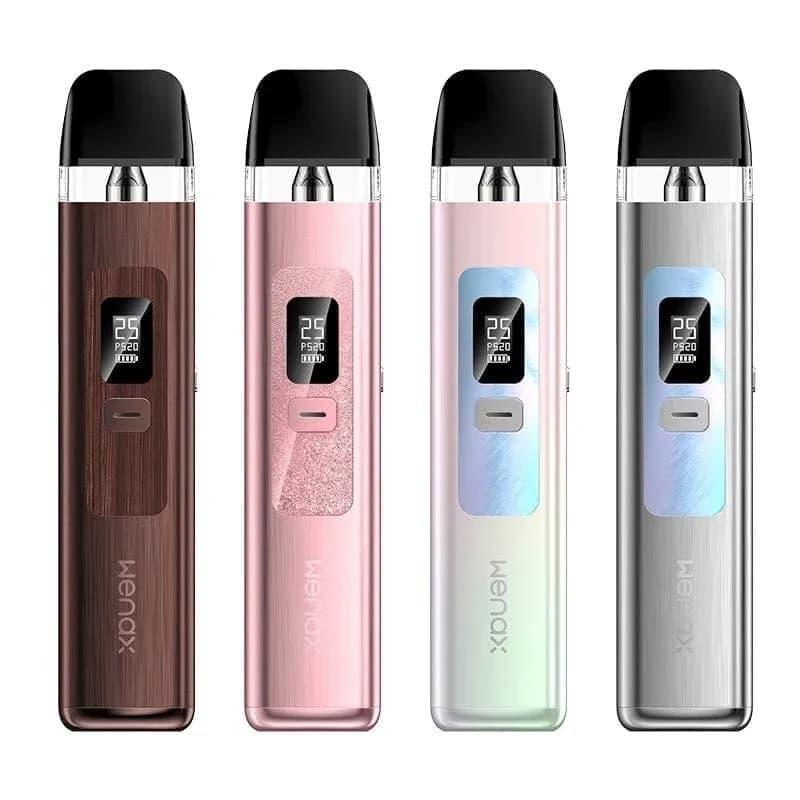
E cigi bolt – recycling locations and resources
If you are a retailer, regulator, or consumer advocate and need a template for an operational plan for e cigarette recycling, consult certified environmental firms or industry coalitions that specialize in battery and electronic waste to design a compliant, effective program tailored to your market circumstances.