
Understanding Elektronske Cigarete and the Question: are e cigarettes harmful to your lungs?
This comprehensive, evidence-informed guide explores modern vape products often referred to as Elektronske Cigarete and addresses the central public health question: are e cigarettes harmful to your lungs? The goal is to give consumers, clinicians, and curious readers a balanced synthesis of current research, practical advice, and risk-minimizing strategies without overstating certainty.
Overview: What are Elektronske Cigarete?
Elektronske Cigarete is a term used across many languages to describe electronic nicotine delivery systems (ENDS). These devices heat a liquid—commonly called e-liquid or vape juice—containing propylene glycol (PG), vegetable glycerin (VG), flavorings, and often nicotine. Modern product families span disposable pod systems, refillable tanks, and modular devices for advanced users. While marketed as alternatives to combustible cigarettes, they are not risk-free.
Components that matter for lung health
- Nicotine: addictive, stimulates cardiovascular system, and can affect lung cell repair mechanisms.
- Propylene glycol and vegetable glycerin: carrier solvents that form aerosols; long-term inhalation studies in humans are limited.
- Flavoring chemicals: some safe for ingestion but not for inhalation—diacetyl and other compounds have been linked to bronchiolitis obliterans in occupational settings.
- Thermal decomposition products: heating can produce formaldehyde, acetaldehyde, and acrolein under certain conditions.
- Ultrafine particles: aerosols contain nanoscale droplets that can deposit deep in the lungs and cause inflammation.
What the science says about lung harm
Researchers use several study types: observational cohorts, cross-sectional surveys, controlled clinical trials, toxicology models, and laboratory cell/tissue studies. Each has strengths and limits; none alone answers all questions.
Short-term effects documented
Short-term studies often show acute changes after vaping sessions: increased airway resistance, cough, throat irritation, transient inflammation markers, and changes in exhaled nitric oxide in some users. These findings suggest that Elektronske Cigarete aerosols are biologically active in the respiratory tract. Importantly, acute physiological changes do not automatically translate into long-term disease, but they signal potential risk pathways.
Long-term evidence and uncertainty
Because widespread vaping is relatively new (major adoption in the last 10-15 years), robust long-term epidemiological data linking exclusive e-cigarette use to chronic lung diseases like COPD or lung cancer are limited. Some cohort studies indicate increased respiratory symptoms and higher odds of chronic bronchitis-like symptoms among vaping adults and adolescents, especially when combined with smoking (dual use). However, disentangling cause and effect is challenging because many e-cigarette users are former or current smokers, and prior tobacco exposure remains a major confounder.
Key systematic reviews and consensus
Systematic reviews generally conclude that e-cigarettes are likely less harmful than combustible cigarettes because vaping eliminates combustion, tar, and many toxic byproducts. Nonetheless, they are not harmless: reviewers highlight respiratory irritation, potential cardiovascular effects, and the need for long-term surveillance. Public health authorities often adopt a harm-reduction stance—supporting e-cigarettes as smoking cessation tools for adult smokers who cannot quit by other means while discouraging use by youths and never-smokers.
Specific lung conditions associated with vaping
Case reports and epidemiologic alerts have identified acute lung injury patterns associated with vaping. Two important categories:
- EVALI (E-cigarette or Vaping Product Use-Associated Lung Injury): a severe acute syndrome identified in 2019, strongly linked to vitamin E acetate in illicit THC-containing vaping products. Most EVALI cases involved vaping THC products, not standard nicotine e-liquids, though any unregulated additive can be risky.
- Chronic respiratory symptoms: cough, wheeze, shortness of breath, and increased rates of bronchitic symptoms have been reported in cross-sectional surveys of adolescents and young adults who vape.
Biological plausibility
Laboratory studies show vape aerosols can induce oxidative stress, impair ciliary function, and provoke inflammatory responses in airway cells. These mechanistic data support the plausibility that repeated exposures could contribute to chronic airway disease, but the effect size and timeline remain uncertain in humans.
Are some products safer than others?
Not all Elektronske Cigarete are equal. Product variability—power settings, coil temperature, e-liquid composition, and manufacturing quality—affects emissions. High-wattage devices and poorly formulated liquids can create higher concentrations of harmful thermal degradation products. Tightly controlled, pharmaceutical-grade nicotine replacement therapies have a more established safety profile compared with widely variable commercial e-liquids.
Regulation reduces risk
Where regulators require ingredient disclosure, manufacturing standards, and limits on contaminants, the risk profile improves. Bans on controversial additives (e.g., vitamin E acetate in inhaled products) and restrictions on flavors that appeal to youth can also mitigate population-level harms.
What users should know: practical harm-reduction advice
If you currently smoke cigarettes and are considering switching, a pragmatic approach helps minimize lung harm:
- Consider evidence-based cessation aids first: behavioral counseling, nicotine replacement therapy (NRT), or prescription medications. ENDS can be a second-line option for smokers who fail initial attempts.
- If choosing an e-cigarette to quit, select regulated products when available, avoid high-temperature or poorly designed devices, and use e-liquids with known ingredients from reputable manufacturers.
- Do not use vaping products obtained illicitly or modified to contain THC or unknown oils.
- Aim to transition off nicotine entirely over time; prolonged nicotine dependence carries cardiovascular and developmental risks, especially for adolescents and pregnant people.
- Be aware of respiratory symptoms—persistent cough, wheeze, breathlessness—and seek medical evaluation if these develop.
Protecting non-users
Secondhand aerosol from e-cigarettes contains nicotine and particulates. While generally lower in many toxicants than cigarette smoke, it is not simply “harmless water vapor.” Avoid vaping in enclosed spaces with non-consenting people, children, or people with respiratory vulnerabilities.
Special populations and considerations
- Youth and adolescents: vaping among adolescents has risen, raising concerns about nicotine addiction and gateway pathways to combustible cigarettes. Preventing youth initiation is a top public health priority.
- Pregnant people: nicotine exposure during pregnancy can harm fetal development; therefore, complete cessation without nicotine is ideal, but if cessation aids are needed, discuss options with a clinician.
- People with pre-existing lung disease: individuals with asthma, COPD, or other chronic respiratory conditions should avoid vaping because aerosols may exacerbate symptoms.
Myths vs. facts
Myth: Vaping is completely harmless.
Fact: Vaping eliminates many toxicants found in smoke but introduces its own set of exposures; it is less harmful than smoking for many adults who switch completely, but not without risk.
Myth: Flavors are safe because they are food-grade.
Fact: Safety for ingestion does not equal safety for inhalation; some flavor compounds generate harmful byproducts when heated.
Research gaps and what to watch for
Open questions include long-term incidence of chronic lung disease among exclusive vapers, interactions with infections (e.g., COVID-19), the impact of dual use on quitting outcomes, and the effects of emerging device technologies. Ongoing cohort studies and improved surveillance are essential.
How clinicians can counsel patients
Good counseling balances individualized risk and benefit: assess smoking history, prior quit attempts, comorbidities, and patient preferences. Offer proven cessation therapies first; if recommending e-cigarettes for harm reduction, counsel on product choice, strategies to quit vaping eventually, and monitoring for respiratory symptoms.
Summary: weighing the evidence
Current evidence suggests that while Elektronske Cigarete are generally less toxic than combustible cigarettes, they are not harmless. The question are e cigarettes harmful to your lungs has a nuanced answer: yes, they can cause acute respiratory effects and potentially contribute to chronic disease, especially with prolonged use or poorly made products, but the magnitude of long-term risk is still being clarified. Public health strategies that prioritize preventing youth uptake, ensuring product safety through regulation, and supporting adult smokers to quit completely are key.
Actionable takeaway for users
If you don’t smoke, do not start vaping. If you smoke and cannot quit with licensed aids, switching completely to a regulated e-cigarette may reduce harm, but aim for eventual cessation of all nicotine products. Seek medical advice if you experience persistent lung symptoms.
Further reading and resources
- World Health Organization – Tobacco and e-cigarettes
- CDC – About Electronic Cigarettes
- FDA – Nicotine and ENDS guidance
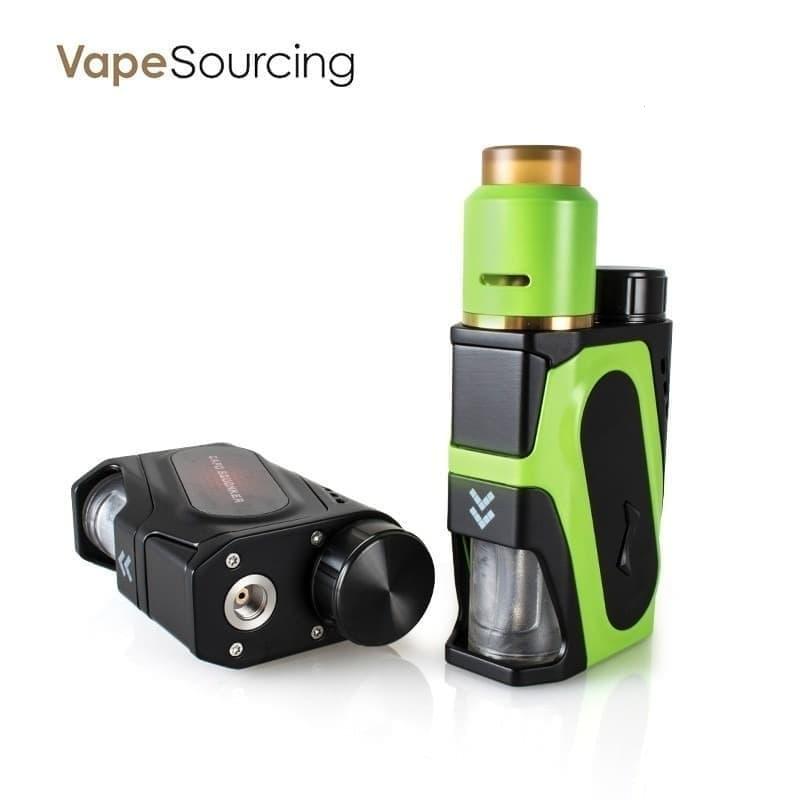 Elektronske Cigarete review and evidence explained as are e cigarettes harmful to your lungs and what users should know” />
If you want practical checklists, printable conversation guides for clinicians, or a one-page summary of the latest systematic reviews, consult the listed public health resources or request clinical support from your local health authority.
FAQ
- Can vaping cause permanent lung damage?
- There is biological plausibility and some clinical reports suggesting vaping can cause serious acute lung injury in certain contexts; whether typical long-term use of regulated nicotine e-cigarettes causes permanent lung disease at a population level remains under study.
- Is vaping safer than smoking?
- For adult smokers who switch completely, vaping appears to reduce exposure to many toxicants compared with continuing to smoke, but ‘safer’ is not equivalent to ‘safe.’ Quitting all tobacco and nicotine products remains the healthiest choice.
- Should pregnant people use e-cigarettes to quit smoking?
- Nicotine is harmful during pregnancy. Pregnant people should seek professional help to quit and discuss safer cessation options; e-cigarettes are generally not recommended as a first-line approach in pregnancy.

Ultimately, knowledge evolves—staying updated on peer-reviewed meta-analyses, regulatory advisories, and high-quality cohort data will help keep both individual decisions and public policy aligned with the best available evidence regarding Elektronske Cigarete and whether are e cigarettes harmful to your lungs.