
Understanding e-sigara and the question: are e cigarettes a healthy alternative to smoking?
In recent years, the topic of e-sigara and whether are e cigarettes a healthy alternative to smoking has dominated public health discussions, regulatory debates, and personal decision-making for smokers seeking less harmful options. This article provides an in-depth, evidence-informed overview of what e-cigarettes are, how they compare to combustible tobacco, the potential risks and benefits, guidance for smokers who consider switching, and practical advice on safer choices and harm reduction strategies. The goal is not to endorse vaping for non-smokers but to offer a balanced resource for current smokers, healthcare professionals, and curious readers.
What are e-sigara devices and how do they work?
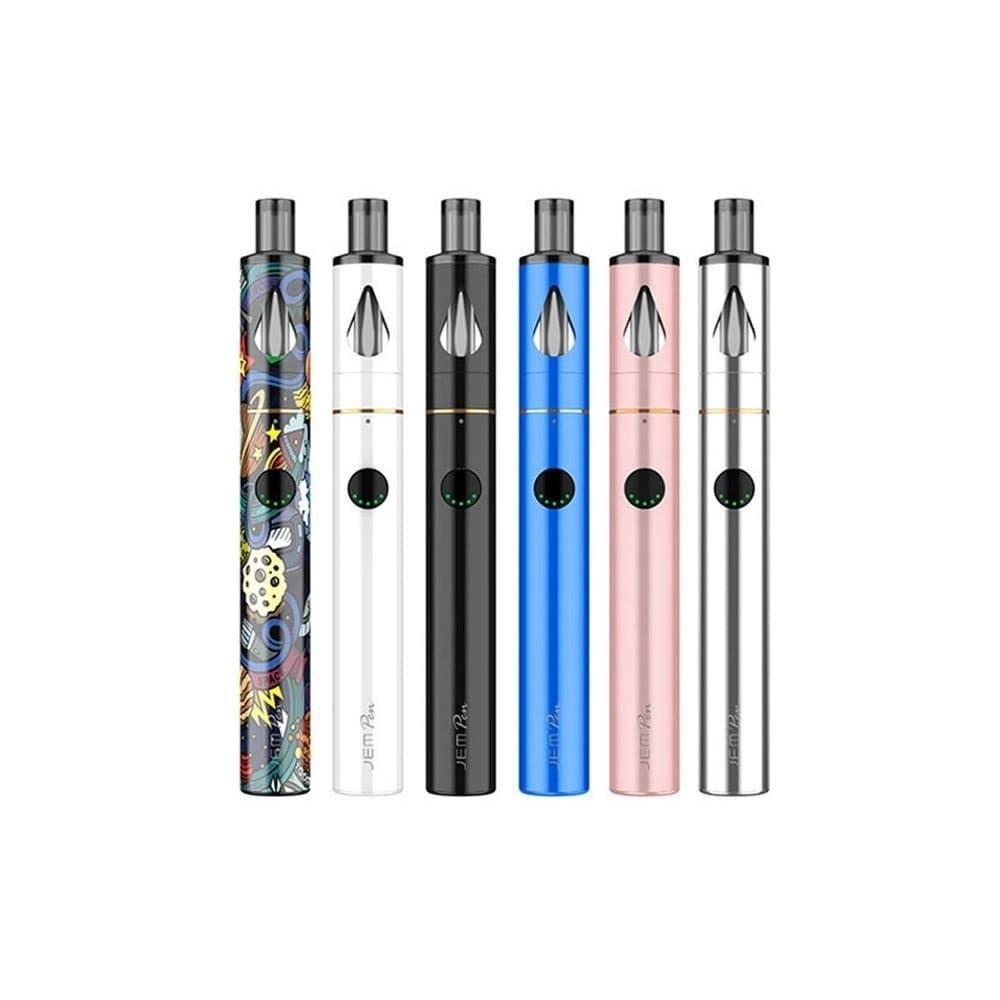
Electronic nicotine delivery systems, commonly referred to as e-cigarettes or e-sigara, heat a liquid (e-liquid) to create an aerosol that users inhale. Typical components include a battery, a heating coil, a reservoir for e-liquid, and a mouthpiece. E-liquids commonly contain nicotine, propylene glycol and/or vegetable glycerin, flavorings, and other additives. Devices range from simple disposable units to advanced refillable systems with variable power settings. This variety affects exposure to nicotine and other constituents.
Key device types
- Disposable pod systems: compact and portable, often prefilled with e-liquid.
- Refillable pod mods: user-refillable, medium power, and popular among transitioning smokers.
- Sub-ohm tanks and box mods: high power devices designed for dense vapor production, usually used by experienced vapers.
What the science says: relative risks vs. smoking
Major public health bodies have acknowledged that, for adult smokers who switch completely from combustible cigarettes to e-cigarettes, exposure to many toxicants is reduced. However, this does not mean e-cigarettes are harmless. The evidence suggests a continuum of risk: combustible tobacco products (cigarettes, cigars) remain the most harmful, while nicotine replacement therapies (patches, gum) are among the least risky nicotine delivery methods. E-cigarettes occupy an intermediate position: likely less harmful than smoking but not without health concerns.
Reduced exposure to combustion products
e-sigara users generally inhale far fewer products of combustion such as carbon monoxide, tar, and many carcinogens produced by burning tobacco. This reduction accounts for much of the potential harm reduction benefit for smokers who quit cigarettes entirely and switch to vaping.
Toxicants still present
Despite lower levels of many toxins, e-cigarette aerosol can contain ultrafine particles, volatile organic compounds (VOCs), aldehydes (like formaldehyde and acrolein), metals from coils, and flavoring-related chemicals. The nature and amount of these constituents vary by device type, settings (voltage/wattage), e-liquid composition, and user behavior.
Nicotine: addiction and cardiovascular effects
Nicotine is the primary addictive substance in most e-liquids. While nicotine itself is not the main cause of smoking-related cancers, it has cardiovascular and developmental effects, can maintain dependence, and may pose risks during pregnancy and adolescence. For adults trying to quit, nicotine delivered via alternative systems can reduce withdrawal and increase the chance of switching away from more harmful cigarettes.
Short-term and long-term concerns
Short-term effects of nicotine include increased heart rate and blood pressure. Long-term cardiovascular effects remain an area of ongoing research, and current evidence is not definitive on whether nicotine via e-cigarettes poses the same long-term cardiovascular risk magnitude as combustible smoking. Caution is particularly advised for people with preexisting heart disease.
Who may benefit and who should avoid e-cigarettes?
Public health guidance typically prioritizes adult smokers who cannot or will not quit using approved cessation treatments. For those individuals, switching to e-sigara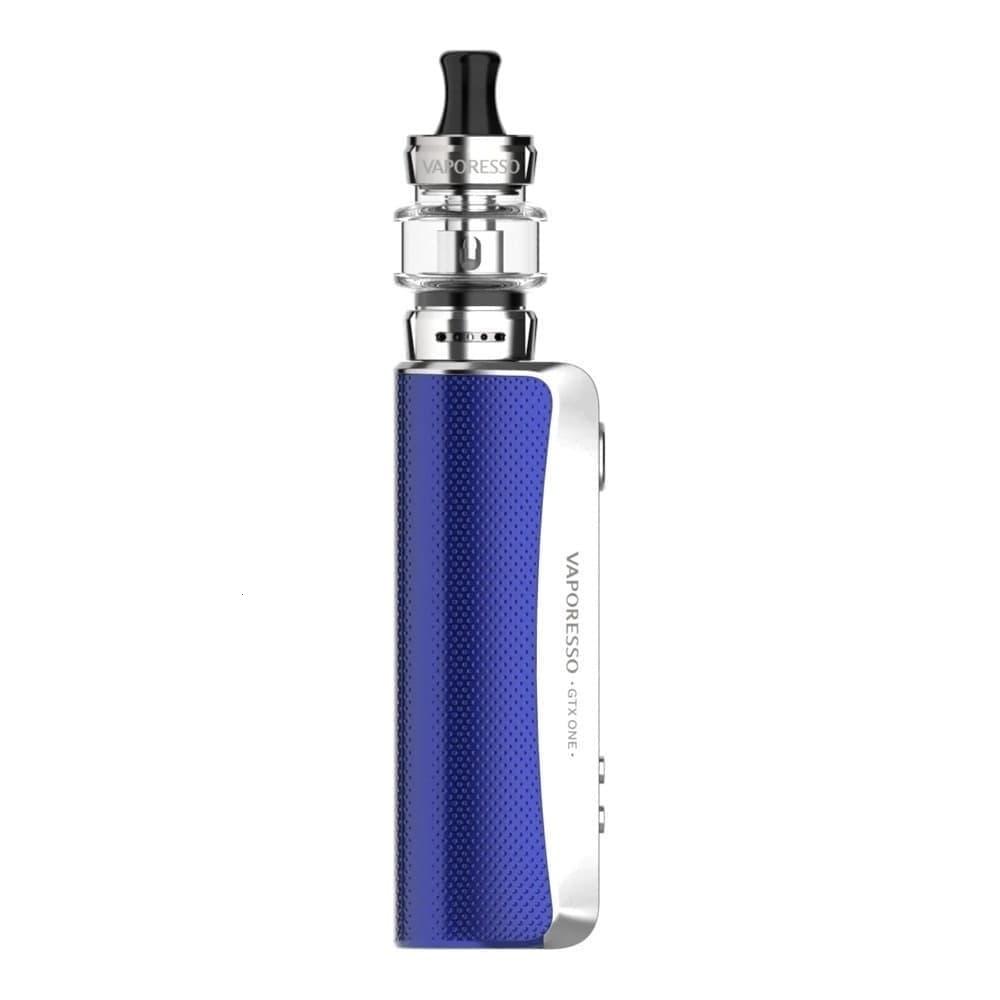 may reduce exposure to many harmful compounds. However, several groups should avoid vaping entirely: never-smokers (especially youth), pregnant women, and people with significant heart or lung disease unless advised otherwise by a healthcare provider.
Adolescents and young adults
Rapid declines in youth smoking have been accompanied by concerns about vaping initiation. Nicotine exposure during adolescence can disrupt brain development and increase the risk of sustained addiction. For public health, preventing youth uptake while facilitating adult smoking cessation remains a critical balance.
Clinical evidence for harm reduction and quitting smoking
Randomized trials and observational studies provide mixed but generally encouraging data that e-cigarettes can increase tobacco cessation rates when combined with behavioral support. In some trials, nicotine-containing e-cigarettes outperformed nicotine replacement therapies (NRT) for cessation, though results vary by study design and product used. Importantly, complete switching is necessary to realize benefits—dual use (continuing to smoke while vaping) confers much less or no benefit.
Dual use dilemma
Many smokers who try vaping become dual users for extended periods. Dual use maintains exposure to harmful combustion products and reduces potential health gains. Healthcare providers should encourage and support complete transition to lower-risk options or, ideally, cessation of all nicotine if feasible.
Regulation, quality control, and product safety
Regulation plays a central role in minimizing risks associated with e-sigara. Standards for manufacturing, e-liquid ingredients, labeling, nicotine concentration limits, child-resistant packaging, and restrictions on youth-oriented flavors can improve safety and reduce unintended harms. Strict quality control reduces contamination, inconsistent nicotine dosing, and harmful thermal degradation products.
Battery and device safety
While rare relative to overall use, battery failures and device malfunctions can cause burns or injuries. Consumers should follow manufacturer guidance, avoid DIY modifications that increase coil temperature beyond recommended ranges, and purchase devices from reputable brands with safety certifications.
Flavorings—appeal versus potential toxicity
Flavorings play a major role in the appeal of e-sigara products. While flavors may help adult smokers switch, certain compounds used for taste (e.g., diacetyl, acetyl propionyl) have been associated with respiratory toxicity in occupational settings. Even when present at low levels, flavoring chemicals may cause airway irritation or unknown long-term effects. Policymakers face the challenge of balancing adult access to flavor choices that aid cessation with measures to prevent youth-targeted marketing.
Practical guidance for smokers considering a switch
- Discuss options with a healthcare professional: explore FDA-approved cessation aids (patch, gum, varenicline) and consider e-cigarettes only if other approaches have failed or are unacceptable to the smoker.
- Choose quality products: opt for regulated, reputable brands with clear labeling and safety features. Avoid homemade or modified devices.
- Select appropriate nicotine strength: many transitioning smokers find moderate nicotine concentrations helpful early on, then taper as dependence decreases.
- Aim for complete switching: quitting cigarettes entirely is the key to reducing harm; dual use should be avoided whenever possible.
- Seek behavioral support: counseling and cessation programs increase chances of success.
When to seek professional help
People with cardiovascular disease, pregnant people, or those with severe nicotine dependence should consult healthcare providers before starting any new nicotine product, including e-sigara. Providers can offer tailored strategies and monitor progress.
Common myths and evidence-based clarifications
- “Vaping is completely safe.” False. Vaping reduces exposure to many harmful chemicals compared with smoking but carries its own risks.
- “E-cigarettes help everyone quit.” Not universally; some smokers benefit, others do not. Efficacy varies with product, support, and user patterns.
- “Nicotine causes cancer.” Nicotine is addictive but is not the primary carcinogen in tobacco smoke; combustion products cause the majority of cancer risk.
Environmental and secondhand exposure considerations
E-cigarette aerosol contains nicotine and fine particles that can deposit in indoor environments. While secondhand vaping exposure is generally lower than secondhand tobacco smoke, it is not negligible, and policies that limit indoor vaping (similar to smoke-free laws) protect non-users, particularly children and pregnant people.
Comparing cessation pathways: e-cigarettes vs. proven therapies
Healthcare authorities emphasize evidence-based therapies: behavioral counseling combined with approved pharmacotherapies (NRT, bupropion, varenicline) remain first-line. E-cigarettes may be considered as a harm reduction tool when traditional methods fail or are declined, especially when combined with behavioral support. Ongoing trials and surveillance will continue to refine their role in clinical practice.

Cost and accessibility
For some smokers, cost and access influence product choice. While certain e-cigarette systems may be expensive upfront, they can be cheaper than long-term cigarette use. However, cost should not be the sole factor—safety, quality, and the likelihood of complete switching are crucial.
Policy implications and population-level effects
At a population level, the net public health impact of e-cigarettes depends on three competing effects: (1) adults who quit smoking thanks to vaping, (2) smokers who delay quitting because they perceive vaping as less urgent, and (3) never-smokers, especially youth, who initiate nicotine use via vaping. Effective regulation seeks to maximize the first effect while minimizing the latter two.
Practical tips for safer use if adults choose to vape
- Use regulated, quality products and avoid black-market or homemade liquids.
- Follow manufacturer instructions—do not alter coils or battery setups in ways that can produce higher toxicant levels.
- Avoid heating e-liquids to extreme temperatures to reduce thermal breakdown products.
- Store e-liquids safely away from children and pets; nicotine is toxic if ingested in concentrated forms.
- Monitor progress and set a plan to gradually reduce nicotine dependence, with the goal of eventual cessation if desired.
Research gaps and ongoing monitoring
Long-term population health impacts remain uncertain because widespread vaping is relatively recent. Continued surveillance, longitudinal studies, and independent toxicology research are essential. Researchers aim to clarify long-term cardiovascular, respiratory, and cancer risks associated with chronic e-cigarette use and to identify which product designs minimize harm.
What clinicians should watch for
Clinicians should ask patients about vaping in routine tobacco use histories, counsel about risks and benefits tailored to the individual’s health status, and document any adverse effects potentially related to vaping. Reporting systems for device malfunctions, acute lung injury cases, or product contamination help regulators respond swiftly.
Summary: pragmatic, evidence-informed takeaways
When considering the question “are e cigarettes a healthy alternative to smoking,” the concise, evidence-informed answers are:
- E-cigarettes are likely less harmful than continued cigarette smoking for smokers who fully switch, due largely to reduced exposure to combustion products.
- They are not harmless—nicotine exposure and aerosol constituents pose health risks, especially to youth, pregnant people, and never-smokers.
- Complete switching, product quality control, and behavioral support increase the likelihood of health benefits.
- Public health strategies should focus on helping adult smokers quit while preventing youth initiation and regulating products for safety.
Key questions to ask yourself before choosing e-cigarettes
If you’re a smoker considering e-sigara as a less harmful alternative, ask: Am I ready to commit to quitting combustible cigarettes entirely? Have I tried approved cessation treatments or counseling? Can I access quality products and support? Do I understand the risks and plan to reduce nicotine reliance over time? Honest answers help guide safer decisions.
Community and support resources
Local quitlines, smoking cessation programs, and healthcare providers can advise about combining behavioral therapy with pharmacotherapy or, when appropriate, supervised switching strategies using e-cigarettes. Peer support groups and online resources may also aid those navigating the transition from cigarettes to less harmful alternatives.
Final considerations
The decision to use e-sigara products should be individualized, based on a clear understanding of potential benefits and harms. For many entrenched smokers who cannot quit with other methods, switching completely to e-cigarettes may reduce health risks. However, prevention of youth uptake, robust regulation, transparent product standards, and ongoing research are essential to ensure that the net public health effect is positive.
FAQ
- Q: Can non-smokers start vaping safely?
- A: No. Starting any nicotine product, including e-sigara, is not recommended for never-smokers due to the risk of addiction and unknown long-term effects.
- Q: If I switch to e-cigarettes, will my health improve quickly?
- A: Some biomarkers of harm improve relatively fast after quitting smoking (e.g., carbon monoxide levels), but full health recovery depends on duration and intensity of past smoking and whether you completely stop smoking combustible cigarettes.
- Q: Are flavored e-liquids more dangerous?
- A: Some flavoring chemicals have been associated with respiratory irritation or toxicity in lab and occupational studies. While flavors can help adults switch away from smoking, regulators weigh this benefit against the risk of youth appeal.