
Beginner’s Guide to Modern Vaping and Names of Electronic Cigarettes
If you’ve ever wondered what are electronic cigarettes called or which Vape device suits you best, this comprehensive guide is written to help beginners and curious smokers explore options without jargon overload. We’ll walk through common terminology, device categories, how devices work, nicotine options, inhalation styles, maintenance essentials, and practical tips for choosing a device based on your lifestyle and goals. The aim is to make the world of vaping approachable while preserving useful search-friendly structure for readers searching for “Vape” and “what are electronic cigarettes called”.
Quick definitions: What people mean when they say “vape”
Colloquially, Vape is used both as a verb (“to vape”) and a noun describing the device or the activity. Electronic cigarettes are commonly referred to by several names depending on form and era: e-cigarettes, e-cigs, vape pens, pod systems, mods, cigalikes, and vaporizers. When you search for what are electronic cigarettes called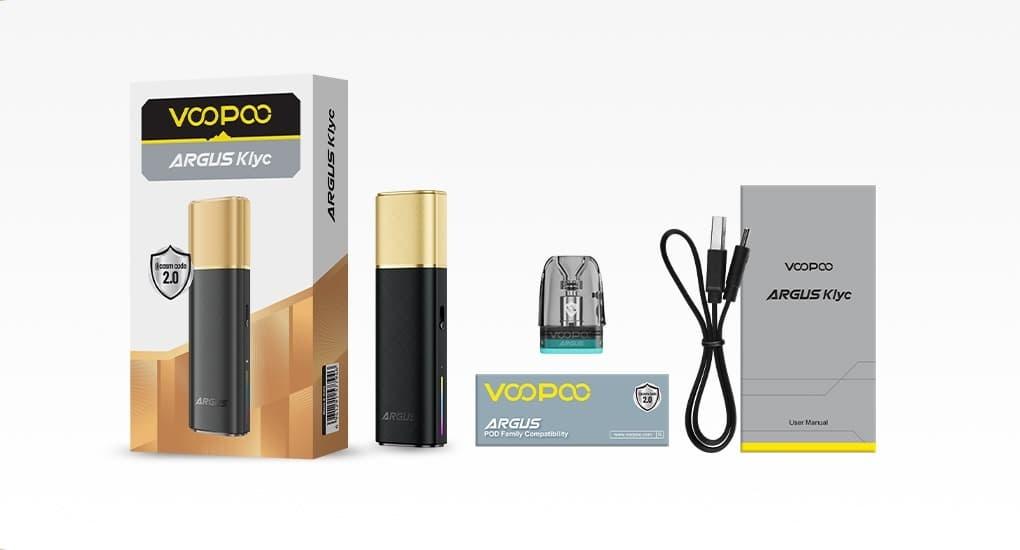 , you will find that the label varies by style and function rather than by strict technical definition.
Common device categories
- Cigalikes: These are the first-generation devices shaped like traditional cigarettes. They are often disposable or use replaceable cartridges and are easy to use.
- Vape pens: Pen-shaped devices with rechargeable batteries and refillable tanks. They strike a balance between convenience and customization.
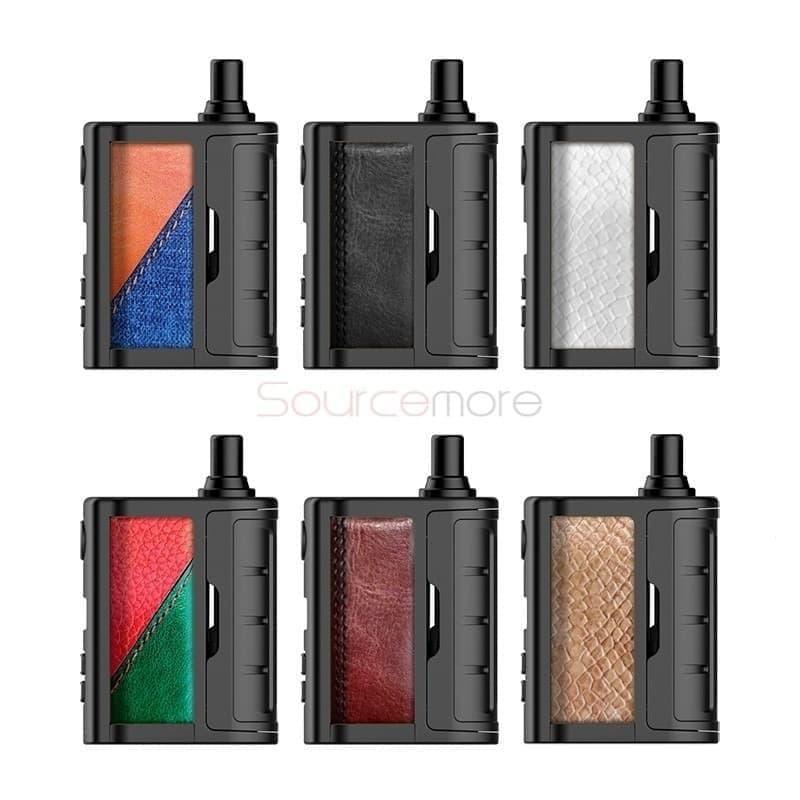
- Pod systems: Compact and user-friendly, pods use replaceable or refillable cartridges. Ideal for nicotine salt e-liquids and mouth-to-lung (MTL) inhaling.
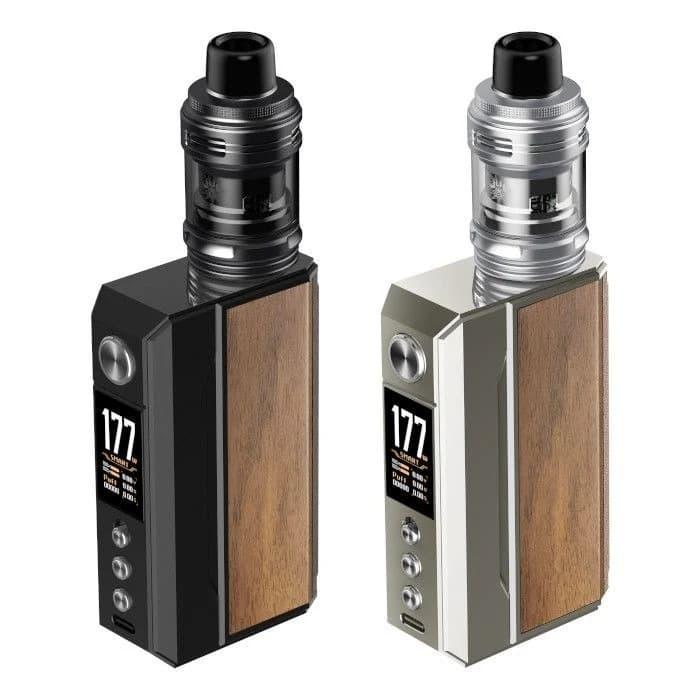
- Box mods: Larger devices offering adjustable power settings (wattage/temperature) and larger tanks for direct-to-lung (DTL) inhaling and cloud production.
- Squonk mods, mech mods, and sub-ohm setups: Advanced options for enthusiasts who want deep customization, larger vapor, or mechanical control over power delivery.
How do these devices work?
All e-cigarettes have the same three basic components: a battery, a heating element (coil), and a liquid reservoir (tank or pod) containing e-liquid. When activated, the battery powers the coil which heats the e-liquid to produce an aerosol—commonly called vapor—that the user inhales. Device sophistication varies, but the physics remains similar.
Understanding e-liquids and nicotine types
Choosing the right e-liquid is as important as choosing a device. E-liquids typically contain a base of propylene glycol (PG) and vegetable glycerin (VG), flavorings, and optionally nicotine. Nicotine comes in two common chemical forms: freebase nicotine and nicotine salts. Nicotine salts tend to deliver nicotine more smoothly at higher strengths, making them popular for pod systems and former heavy smokers. Freebase liquids suit lower-strength, sub-ohm setups with larger clouds.
PG vs VG
PG provides throat hit and better flavor delivery, while VG produces thicker vapor and a smoother throat feel. Many e-liquids are blends; common ratios include 50/50, 60/40, and high-VG formulas for cloud chasers.
Inhalation styles: MTL vs DTL
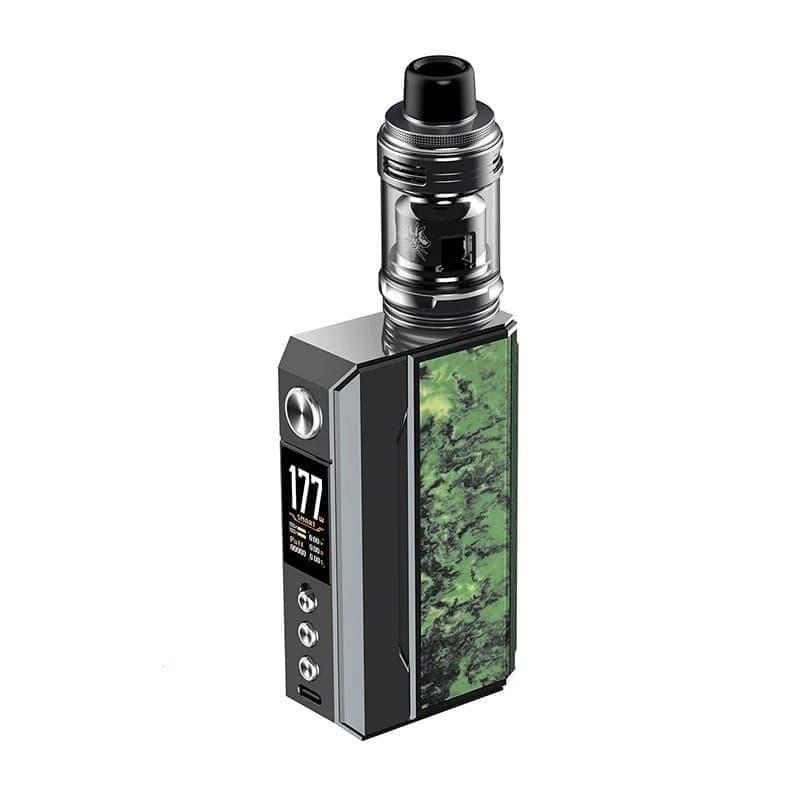
Two primary inhalation styles affect device choice: mouth-to-lung (MTL) and direct-to-lung (DTL). MTL mimics cigarette smoking—draw the vapor into your mouth first, then inhale to lungs—and generally works best with higher-resistance coils and tighter airflow. DTL is like taking a deep breath directly into the lungs; it favors low-resistance coils, high wattage, and open airflow systems.
How to pick the right device for you
- Define your goal: Are you switching from cigarettes, experimenting with flavors, or chasing performance? Former smokers often prefer discreet pod systems and nicotine salts for a similar throat sensation.
- Consider ease of use: Beginners typically benefit from simple, low-maintenance devices like cigalikes or pod kits. If you value customization and are comfortable learning, a mod and separate tank offer tuning options.
- Check battery life: If you’re on the go, look for larger battery capacity (mAh) or removable battery mods to ensure the device lasts a full day.
- Think about maintenance: Replaceable coils and refillable pods mean ongoing costs and chores. Disposable devices require no upkeep but may cost more long term and produce more waste.
- Match nicotine level to experience: Start with a nicotine strength that satisfies cravings without causing discomfort. Many ex-smokers start with higher nicotine salts and then taper down.
- Legal and safety considerations: Ensure devices comply with local laws and purchase from reputable vendors to reduce risk of counterfeit products.
Safety, myths, and harm reduction
Vape products are generally promoted as a harm reduction tool compared to combustion cigarettes, since they do not involve burning tobacco. However, vaping is not risk-free—quality, correct usage, and avoiding modification of devices beyond manufacturer guidance are crucial. Never use unknown liquids or homemade additives. Keep devices and nicotine liquids away from children and pets. For pregnant people, the safest choice is to avoid nicotine entirely and consult a healthcare professional.
Common troubleshooting tips
Leaking tanks? Check seals and ensure coils are installed correctly. Weak flavor or low vapor? Try a fresher coil, adjust wattage settings, or use an e-liquid with higher flavor concentration. Burnt taste? Replace the coil and prime it before use. Always follow manufacturer instructions to avoid damage and extend lifespan of coils and batteries.
Where to buy and what to look for
Buy from authorized retailers or well-reviewed online stores. Look for clear ingredient lists on e-liquids, CE/UL markings on hardware, and transparent customer service policies. Read user reviews and watch tutorials to learn maintenance and safety practices for your chosen model.
Environmental and social considerations
Disposable devices generate waste—consider refillable systems to reduce environmental impact. Respect local regulations and etiquette: many public spaces prohibit vaping. Sharing devices can spread germs; avoid sharing mouthpieces for hygiene reasons.
Quick checklist before purchasing
- Intended use (smoking cessation, recreational, cloud-chasing)
- Preferred inhalation style (MTL vs DTL)
- Portability and battery life needs
- Maintenance willingness (disposable vs refillable)
- Nicotine strength and e-liquid flavor preferences
- Budget for initial purchase and ongoing consumables
Glossary of common terms
Atomizer: The component that contains the coil and heats the e-liquid. Coil: Wire wrapped around a wick that vaporizes e-liquid. Pod: A replaceable or refillable cartridge used with pod systems. Sub-ohm: Coils with resistance below 1.0 ohm—used for higher vapor production. Mod: The body of a device that contains the battery and controls.
Personalizing your experience
Flavor selection, nic strength, and airflow tuning let you tailor your vape to your taste. Experiment slowly: small changes in wattage or nicotine concentration can have a notable effect. Keep a log of what works to avoid confusion when mixing flavors or swapping devices.
When to seek professional help
If you’re using vaping to quit smoking and experiencing persistent cravings or adverse effects, consult a healthcare provider for tailored advice. If a device overheats, emits unusual odors, or malfunctions, stop using it immediately and contact the manufacturer or retailer.
SEO note:
To help readers find this page, the prominent search terms such as Vape and the question what are electronic cigarettes called are woven into headings and emphasized text. This structure improves relevance for search queries while maintaining natural readability.
Conclusion
Understanding names, types, and functionality makes choosing a device less intimidating. Whether you prefer a discreet pod system, a classic vape pen, or a performance-driven box mod, match the device to your nicotine needs, inhalation style, maintenance comfort, and safety priorities. Always buy reputable products and prioritize safety and law compliance.
FAQ
Are e-cigarettes the same as vapes?
Yes, “e-cigarettes” and “vapes” are often used interchangeably, though “vape” can refer to a broader range of vaporizing devices beyond cigarette-like designs.
Which device is best for beginners?
Pod systems and simple vape pens are ideal for beginners due to ease of use, low maintenance, and compatibility with nicotine salts that can satisfy cravings similar to cigarettes.
Do I need a prescription or ID to buy?
Age restrictions vary by jurisdiction; most places require buyers to be of legal age and some regions restrict flavors or nicotine strengths. Check local laws before purchasing.
Can vaping help me quit smoking?
Many smokers use vaping as a harm reduction method. Success varies by individual; combining vaping with behavioral support may improve outcomes. Consult a healthcare professional for personalized guidance.