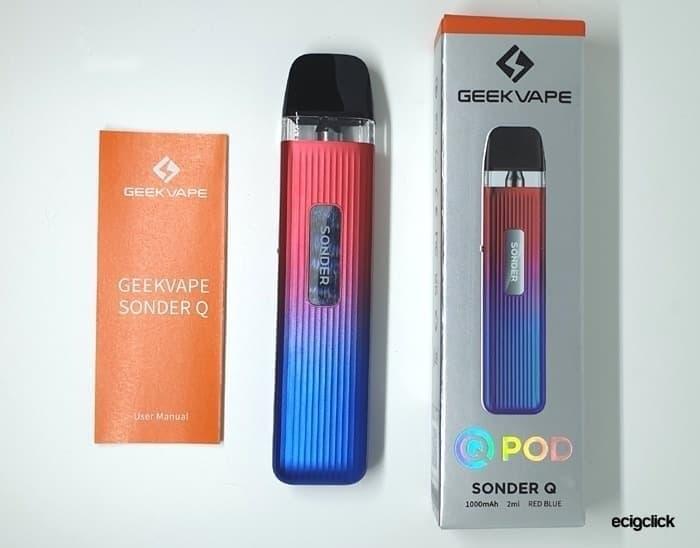
1. Battery Capacity & mAh Rating
The capacity of e cigarette batteries, listed in milliamp hours (mAh), determines how long your device runs before needing a recharge. Higher mAh means longer vaping sessions—ideal for frequent users or those who travel. Standard batteries often range from 650mAh for slim pen-style vapes to 3000mAh in larger mods. Analyze your usage habits: if you vape frequently, opt for batteries with 2000mAh or more.
2. Discharge Rate & Amperage
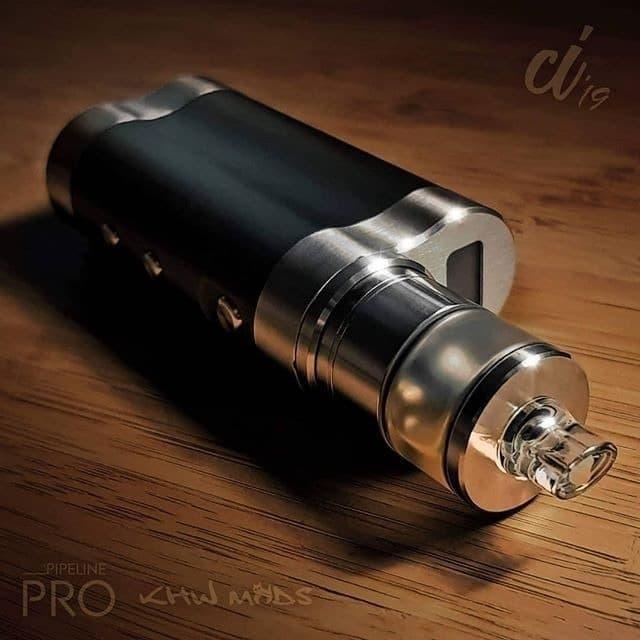
Discharge rate (continuous and pulse) measures how quickly the battery can supply power, essential for sub-ohm vaping or high-wattage devices. Most e cigarette batteries specify continuous discharge rates—look for options rated >20A for high-performance mods. Lower discharge rates suffice for low-watt, mouth-to-lung devices. Proper amperage ensures safety and peak vapor output.
3. Battery Chemistry: IMR vs INR vs ICR
The chemical composition affects safety and stability. IMR (Lithium Manganese Oxide) batteries are preferred for vaping due to thermal stability and low risk of overheating. INR (Lithium Nickel Manganese Cobalt Oxide) batteries balance capacity and safety—a solid choice for regulated devices. ICR (Lithium Cobalt Oxide) offer high capacity, but are generally less stable, better suited for protected mods. Always prioritize batteries with built-in safety protections if using unregulated devices.
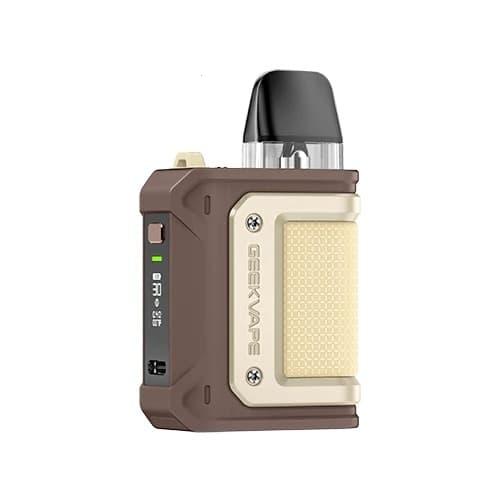
4. Size & Compatibility
Standard e cigarette batteries types include 18650, 20700, and 21700, each matching specific mods and pods. Double-check your device’s compatibility—using the wrong size can cause malfunction or dangerous overheating. Most mods specify battery type; consult your device manual to prevent errors.
5. Brand Reputation & Authenticity
With the popularity of vaping, counterfeit batteries have flooded the market. Stick to reputable brands like Sony, Samsung, LG, or Panasonic, known for quality control and reliability. Fake e cigarette batteries often fail safety tests and can pose serious hazards. Always buy from trusted vendors, ideally with anti-counterfeit checks or serial verification.
6. Safety Features & Wrap Integrity
Modern e cigarette batteries often include vent holes, internal protection circuits, and reliable wraps to prevent short-circuits and thermal runaway. Inspect wraps regularly for damage; replace any battery with tears, dents, or irregularities. Devices with built-in battery protections extend lifespan and enhance user safety.
7. Recharge Cycle & Longevity
The number of charging cycles a battery can endure before performance declines is crucial for cost-effectiveness. Premium e cigarette batteries offer up to 300+ cycles when properly maintained. Avoid deep discharges and use dedicated chargers with balanced charging capabilities.
8. Price vs Performance
While inexpensive batteries might seem attractive, they often lack robust safety protections or performance ratings. Investing in mid-to-premium grade brands offers a long-term balance between affordability and optimal vaping.
9. User Reviews & Community Insight
Check forums, review sites, and expert recommendations before purchasing e cigarette batteries. The vaping community shares insights on battery lifespan, actual performance versus specs, and recurring issues—valuable for avoiding common pitfalls.
Maintenance Tips to Extend Battery Life
- Store batteries at room temperature away from direct sunlight
- Charge only with approved chargers
- Regularly check for signs of damage or overheating
- Do not leave charging batteries unattended
- Rotate usage between two or more batteries if possible
Environmental & Disposal Considerations
Most e cigarette batteries contain lithium-based chemistry, making them unsuitable for regular trash. Dispose at dedicated battery recycling centers to minimize environmental impact and comply with local regulations.
The Future of E Cigarette Battery Technology
Chemistry and tech advances continually improve energy density, lower risk, and shorter charging times. Next-gen batteries may offer even longer usage between charges and better protections, adapting to evolving vaping needs.
Popular Battery Myths Debunked
- “Higher mAh always means higher safety”—mAh affects lasting power, not safety or discharge rate.
- “All 18650 batteries work in any device”—check both size and discharge compatibility.
- “Wrapped batteries are always protected”—physical wrap is not an internal safety circuit.
Conclusion
Selecting the optimal e cigarette batteries requires balancing capacity, amp rating, chemistry, brand, safety, and price. Regularly researching updates and listening to user feedback ensures you make informed choices tailored to your vaping style.
Frequently Asked Questions (FAQs)
- What is the safest battery type for vaping?
- IMR batteries are considered the safest for vaping due to superior thermal stability and lower risk of fire or short-circuit.
- Can I use a battery from another device in my vape mod?
- Only use batteries that match both size and discharge rating specified for your vape. Mismatched batteries may cause safety or compatibility issues.
- How long do e cigarette batteries generally last?
- High-quality batteries typically last 6–12 months or around 300 cycles, depending on usage care; damaged batteries should be replaced immediately.