
Modern inhaled devices explained: what consumers must know about flavored smoke substitutes
This comprehensive guide explores the rise of electronic inhalers and flavored delivery systems, focusing on E-Shisha products and the dangers of vaping and e cigarettes that healthcare professionals, parents, and policymakers are increasingly concerned about. The aim is to provide clear, research-informed information that helps readers weigh risks, understand mechanisms, and take practical steps to protect health. Throughout the text you will find explanations of chemical exposure, nicotine dependence, environmental effects, regulatory context, and actionable quit strategies designed to be useful for individuals and communities.
Why this topic matters
The global popularity of novel nicotine devices has created a complex public-health landscape. While some vendors market E-Shisha and similar devices as “safer alternatives” to combustible products, numerous studies and public health reviews highlight the dangers of vaping and e cigarettes for both short- and long-term wellbeing. Understanding the evidence base is essential: consumers deserve balanced, accurate information free from marketing spin, and clinicians need clear talking points for counseling.
What is an E-Shisha and how does it work?
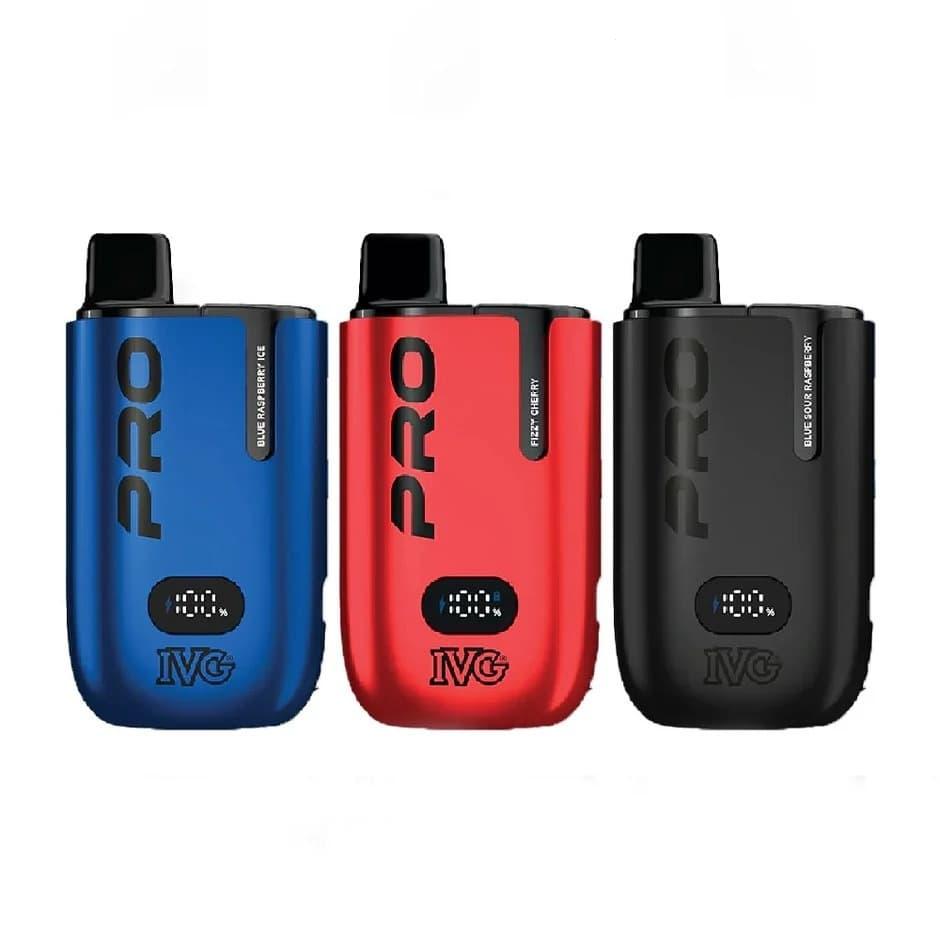
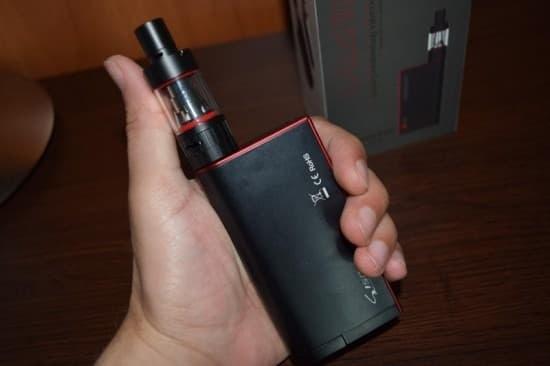
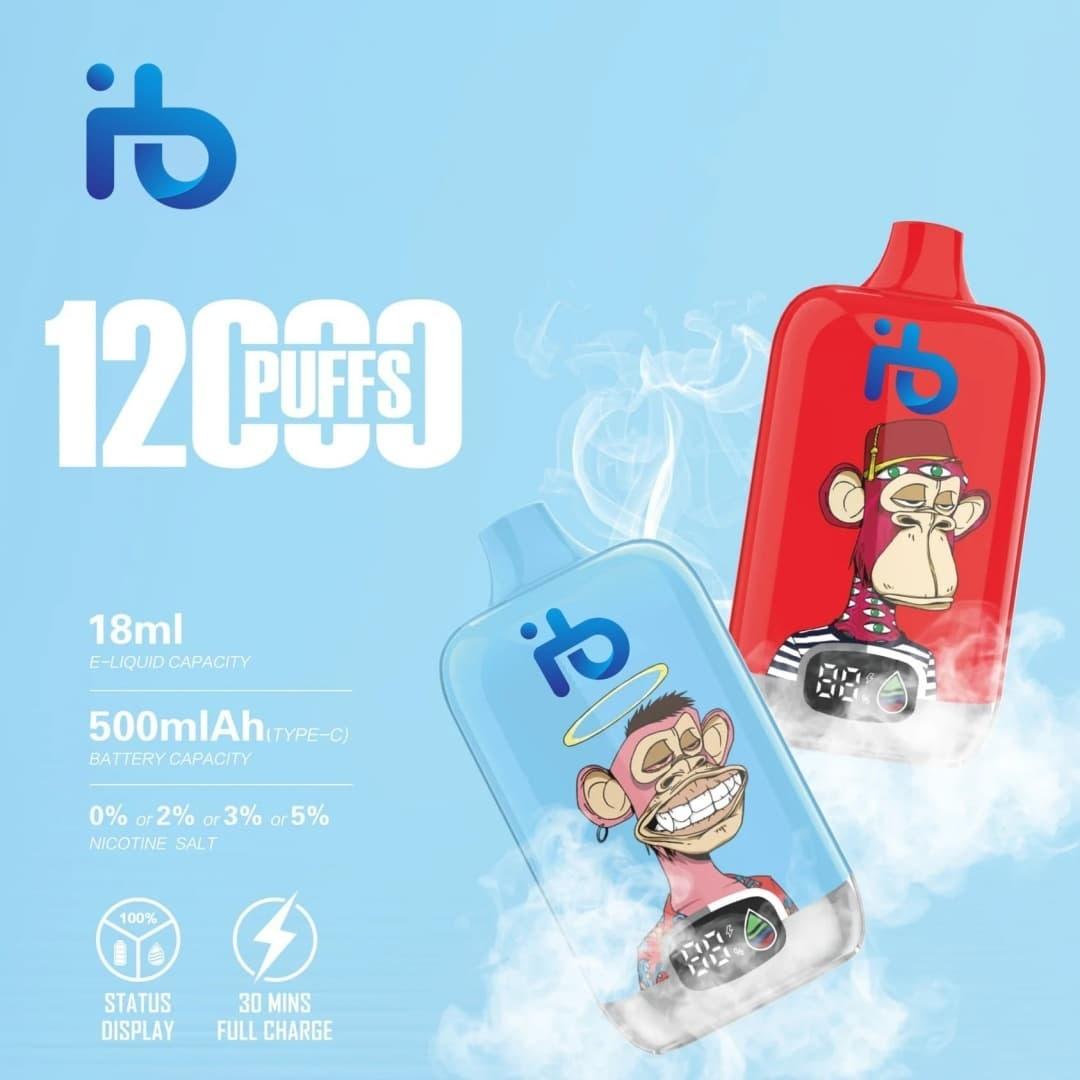
An E-Shisha is a type of electronic device that vaporizes a liquid solution—often containing nicotine, flavorings, solvents, and other additives—so it can be inhaled. The fundamental components include a battery, a heating element, and a liquid reservoir. When activated, the device heats the liquid into an aerosol that users inhale. This aerosol can carry numerous chemicals, some of which are known toxins or respiratory irritants.
Key components and typical ingredients
- Propylene glycol and vegetable glycerin: solvents that produce visible aerosol.
- Nicotine: an addictive alkaloid with cardiovascular effects.
- Flavoring agents: many are safe to eat but not necessarily safe to inhale.
- Trace contaminants: heavy metals from coils, thermal degradation products such as formaldehyde.
Health pathways of harm
The mechanisms by which E-Shisha use and other electronic nicotine delivery systems cause harm are varied. First, the aerosol delivers nicotine and other chemicals deep into the lungs, where they can produce both local and systemic effects. Second, heating flavor compounds can create reactive byproducts that damage airway epithelial cells. Third, repeated inhalation trains the brain to expect nicotine, accelerating dependence, particularly in adolescents and young adults whose brains are still developing.
Respiratory impacts
Users often report cough, throat irritation, and wheeze. Clinical studies have documented airway inflammation, altered immune cell function, and in some cases acute lung injury. There is concern about long-term outcomes: chronic use may increase susceptibility to infections, contribute to chronic bronchitic symptoms, and exacerbate asthma.
Cardiovascular effects
Nicotine raises heart rate and blood pressure transiently and can increase arterial stiffness. Repeated exposure may accelerate atherosclerotic processes and raise the risk of adverse cardiovascular events. Even without combustion, components in the aerosol can provoke endothelial dysfunction, an early marker of vascular disease.
Neurological and developmental risks
Adolescent use is especially worrisome. The addictive potential of nicotine disrupts developing neural circuits, with potential lasting effects on attention, mood regulation, and cognitive function. E-Shisha devices marketed with appealing flavors may disproportionately attract youth, increasing population-level addiction risk.
Chemicals of concern and what studies show
Researchers have cataloged many chemicals in aerosols from flavored devices. These include volatile organic compounds (VOCs), carbonyl compounds like formaldehyde and acetaldehyde, acrolein, diacetyl (linked to bronchiolitis obliterans, “popcorn lung”), and heavy metals such as nickel and lead leached from heating elements. The presence and concentration of these toxins depend on device design, power settings, liquid composition, and user behavior, but the possibility of exposure is well-established.
Misconceptions and marketing myths
Marketing frequently suggests that electronic systems are a benign alternative to smoking. While some harm-reduction arguments compare them to combustible tobacco for adult smokers who cannot otherwise quit, this narrative ignores important realities: dual use (using both combustible products and electronic devices) is common, youth uptake raises lifetime addiction risk, and independent research confirms chemical emissions that can harm health. It is misleading to imply safety without nuance.
Population effects and regulation
Public health authorities in many countries have implemented a range of policies: flavor bans, age restrictions, manufacturing standards, and advertising limits. The goal is to reduce youth initiation while preserving potential harm-reduction pathways for adult smokers seeking alternatives. The regulatory balance remains contested, and evidence continues to evolve. Consumers should stay informed about local laws and recommended safety practices.
Practical steps for individuals and families
Whether you are a user, caregiver, or professional advisor, evidence-based steps can reduce harm:
- Recognize the risks: acknowledge that E-Shisha and other electronic devices are not harmless.
- Limit access: store devices and liquids securely away from children and teenagers.
- Avoid flavored products: flavors increase the appeal for youth and may contain poorly studied inhalation toxicants.
- Seek cessation support: behavioral counseling plus approved pharmacotherapy increases quit success.
- Consult healthcare providers: discuss cardiovascular, respiratory, and mental health considerations before using nicotine products.
How to talk to young people
Conversations about inhaled devices should be factual, nonjudgmental, and age-appropriate. Highlight the addictive nature of nicotine and discuss how flavor marketing targets youth. Emphasize immediate harms—exercise intolerance, persistent cough, and changes in mood or performance—as these are often more impactful than abstract long-term risks for adolescents.
Clinical guidance for providers
Healthcare professionals should routinely screen for use of all nicotine products, including E-Shisha and other e-devices. Document quantity, frequency, flavors, and device types. Provide brief advice, use motivational interviewing techniques, and offer pharmacologic aids when appropriate. Be alert for presentations of acute lung injury or unexplained respiratory symptoms in users.
Suggested screening questions
- Have you used any electronic nicotine products in the last 30 days?
- What flavors or strengths do you usually use?
- Have you noticed cough, breathlessness, or chest discomfort since starting?
Harm-reduction considerations
Some adult smokers may reduce exposure to combustion-related toxins by switching to regulated nicotine-delivery products under medical supervision. However, this potential benefit must be weighed against the risks of continuing nicotine dependence and the unknown long-term consequences of chronic inhalation of device aerosols. Policies should prioritize preventing youth initiation while allowing evidence-based pathways for adult cessation.
Environmental and secondhand exposures
Aerosols from E-Shisha devices may deposit on surfaces and emit residual chemicals into indoor air. Secondhand exposure can affect non-users, including children and pregnant people. Ventilation reduces but does not eliminate risk; the safest option for shared spaces is avoiding indoor use altogether.
Recognizing acute severe reactions
Although rare, acute lung injuries related to inhaled aerosols have been reported. Signs that require urgent evaluation include:
- Sudden severe shortness of breath
- Chest pain or tightness
- High fever with cough in a recent user
- Worsening symptoms despite rest
If present, seek emergency care promptly and disclose device use to clinicians to guide diagnosis and treatment.
Tips for quitting
Quitting nicotine-containing products can be challenging but achievable. Effective strategies include a combination of behavioral counseling and pharmacotherapy. Recommended first-line medications include nicotine replacement therapy (patches, gum, lozenges) and prescription medications where appropriate. Structured programs, quitlines, and digital supports can provide accountability and coping tools. For many, a personalized plan with gradual reduction or a quit date increases success.
Suggested quit plan steps
- Set a quit date within the next 2–4 weeks.
- Identify triggers and prepare coping strategies.
- Choose pharmacologic support if nicotine-dependent.
- Enlist social support from friends, family, or quit groups.
- Track progress and celebrate milestones.
Resources and where to learn more
High-quality, up-to-date resources include government health departments, peer-reviewed medical journals, and professional medical societies’ statements. Local quitlines and community health centers often offer free counseling and materials. When seeking information online, favor reputable public-health or academic sources over vendor or industry-funded sites.
Key takeaways

The evidence indicates that E-Shisha and related devices are not risk-free. The dangers of vaping and e cigarettes include nicotine addiction, respiratory and cardiovascular effects, chemical exposures from flavorings and thermal degradation products, and unique risks for developing brains. Policy, clinical practice, and individual choices should prioritize prevention of youth uptake, informed decision-making for adults, and access to effective cessation supports.
Action checklist
- Do not assume electronic devices are harmless—educate yourself.
- Protect young people by limiting access and discussing marketing tactics.
- If you use nicotine and want to quit, seek evidence-based help.
- Report severe or unusual respiratory symptoms promptly to healthcare providers.
By staying informed and using available tools, communities can reduce the harm associated with inhaled nicotine products and create healthier environments for everyone.
Frequently asked questions
Q: Are electronic inhalers completely safe compared to cigarettes?
No. While some adult smokers may reduce exposure to certain toxins present in smoke by switching, electronic aerosols still contain chemicals and nicotine that pose risks. The long-term effects are not fully known, and youth or non-smokers should not initiate use.
Q: Can flavors in e-liquids cause specific lung diseases?
Certain flavoring chemicals, when heated and inhaled, have been linked to airway disease in occupational settings and animal models. Compounds like diacetyl are of particular concern. Because many flavoring agents have not been tested for inhalation safety, caution is warranted.
Q: What should I do if my teenager is using flavored devices?
Open a calm, nonjudgmental conversation, express concern about addiction and health effects, remove easy access to devices and liquids, and seek guidance from a pediatrician or school counselor for supportive cessation resources.