
Traveling with a vaping device can be stress-free when you know the rules, plan ahead, and pack properly. This long-form guide focuses on practical, current advice about transporting a popular brand like e-füst and navigating e-cigarette airport security processes globally. It explains how to pack batteries, what to expect at checkpoints, and offers step-by-step checklists for carry-on and checked luggage. Whether you are a frequent flyer or taking a single trip, these tips will help you avoid confiscation, delays, or safety risks associated with lithium batteries, power packs, and refill liquids. Read on for organized sections, easy-to-follow recommendations, and pro tips for secure, compliant travel with your e-füst device.
Quick Summary: Key Rules for e-füst Owners and e-cigarette airport security
The essentials you need to remember before you leave the house: keep all vaping devices in your carry-on; remove spare lithium-ion batteries from checked baggage and carry them in protected cases; remember liquid restrictions (100 ml / 3.4 oz containers in many jurisdictions); check airline and destination rules ahead of departure; and prepare to show or power up devices on request at security checkpoints. The phrase e-cigarette airport security covers both the physical screening process and the airline/airport policies you must follow.
Why these rules exist
Airport security and airlines focus on preventing fires and avoiding accidental activation of electronic devices. Lithium-ion batteries used in mods, box mods, and some regulated devices can produce heat and, in rare cases, thermal runaway if damaged. e-füst and other brands often use 18650, 21700, or integrated batteries; understanding capacity metrics (mAh and Wh) and safe handling is crucial for compliance with transport regulations set by bodies like IATA and national aviation authorities.
Important technical note (how to calculate watt-hours)
To determine if a battery exceeds airline limits: Wh = (mAh ÷ 1000) × V. For example, a 3000 mAh, 3.7 V 18650 cell ≈ 11.1 Wh (0.0111 kWh). Most airlines allow batteries up to 100 Wh in carry-on without airline approval; batteries between 100 Wh and 160 Wh may require airline approval. Always check your specific airline policy and convert when in doubt.
Detailed Checklist: Preparing Your e-füst Device for Air Travel
- Turn off and lock the device if it has a safety lock feature.
- Remove detachable batteries when possible; if batteries are integrated, ensure the device is powered off and protected.
- Store spare batteries in individual plastic battery cases or non-conductive sleeves; tape exposed terminals if a case is unavailable.
- Place all vaping devices and spare batteries in your carry-on bag only — never inside checked baggage.
- Keep e-liquids in bottles ≤100 ml and inside a clear, resealable 1-liter plastic bag when in carry-on to comply with liquids rules in many jurisdictions.
- Label or keep original packaging if possible, especially for replacement batteries or regulated mods to avoid confusion at security.
- Bring a printed copy or screenshot of the airline policy and IATA guidance if you travel frequently — this can help resolve disputes.
What to Expect at the Security Checkpoint
Most screening lines will ask you to place electronic devices in bins for X-ray. Security officers may request that you power on the e-füst device to prove it is not a threat. If your device is locked, be prepared to unlock it. If you are not comfortable powering it up, politely explain but be aware that refusal may result in confiscation. Use the keyword e-cigarette airport security when asking staff or looking up official guidance — it helps you find relevant pages and policy statements.
Tips for Batteries and Power Banks
- Spare batteries: carry each cell in a dedicated battery case or in original retail packaging. Do not let batteries rub against metal objects like keys or coins.
- Power banks: treated as spare lithium batteries; must be carried in carry-on. Many airlines limit the watt-hour rating and may cap the number of power banks allowed.
- Integrated batteries: devices with non-removable batteries count as a single item and still need to be in the cabin with you.
- Battery ratings: if a battery is labeled in mAh but not Wh, convert using the nominal voltage. If your power bank lacks clear labeling, airline staff may deny it.
Carrying E-Liquids and Refillable Tanks
Most international airports enforce the typical liquids rule: containers must be 100 ml (3.4 oz) or less and fit in a single 1-liter clear plastic bag. Empty tanks can usually pass through security; filled tanks must comply with liquid limits. Disassemble tanks and pack coils and spare glass in a secure pouch to prevent breakage. For long-haul travel, consider carrying only the e-liquids you need for the flight plus a small reserve, and avoid large refill bottles in carry-on.
Note on nicotine salt vs freebase e-liquid
Security does not distinguish e-liquid chemistry, but customs and local laws might treat nicotine-containing liquids differently — some countries restrict the sale or import of nicotine e-liquid entirely.
Understanding Airline and Country-Specific Rules
Always check the airline’s website for their vaping policy and search for “e-cigarette airport security [airline name]” or “[airport name] vaping policy.” Examples: many US carriers follow TSA guidance that allows vaping devices in carry-on only; the UK and EU airports typically follow similar rules but individual carriers may be stricter. Some countries have complete bans on vaping devices (e.g., some nations in Southeast Asia) — if your destination bans possession or use, devices and e-liquids can be confiscated and penalties may apply. When traveling to or through restricted countries, consider shipping devices home or leaving them at origin.
Practical Packing Strategies
Organize your kit for inspection: a compact, labeled vaping pouch in your carry-on with your e-füst device(s), spare batteries in cases, a small set of tools (screwdriver, spare o-rings), and a clear zipped bag with e-liquid bottles. Keep receipts or original packaging for batteries if possible. Place the pouch at the top of your bag or in an accessible compartment so security agents can handle it without unpacking everything. Avoid bulky chargers in checked baggage; carry only what you need for charging at your destination. Carrying a small cable is usually enough since many hotels provide USB charging ports.
During Transit and Layovers
Even if your origin and destination permit vaping, transit airports may have different rules. Do not assume you can use or even carry a device through a transfer hub that prohibits them. For example, some Middle Eastern or Asian hubs either restrict use in terminals or have stricter import rules. If in doubt, keep devices in your carry-on and consult airport websites of intermediate stops. Security checks at transfer points still look for batteries and devices and may request additional screening.
What to Do If Security Confiscates Your Device
If a checkpoint officer decides to confiscate a device, remain calm and ask for a receipt or written explanation if the airport provides one. Try to recover any non-prohibited accessories (tanks, non-nicotine liquids) if policies allow. For lost high-value items, follow up with airport lost-and-found and airline customer service. Keep documentation like purchase receipts and photos of serial numbers to help with potential recovery or insurance claims.
Common Questions Airport Staff May Ask — and How to Answer
- “Is it powered on?” — Answer truthfully and turn it on when asked unless you have a lock/password you cannot disable; consider carrying an owner manual or quick instructions.
- “Are there spare batteries?” — Show battery cases and explain they are protected.
- “Is this liquid nicotine?” — Be honest; some countries regulate nicotine differently and false statements may lead to larger problems.
Accidental Activation: Preventing Problems
To prevent accidental activation, engage device lock features where available, remove the tank if possible, and store the device upright in a protective case. Use clear labeling of spare battery cases and consider using heat-shrink tubes or dedicated battery wraps. Remember: an activated device placed under luggage in a pressurized hold is a serious fire hazard; always carry devices on board.
Legal and Customs Considerations
Laws about nicotine, vaping products, and devices vary widely. Some countries prohibit the sale or possession of nicotine-containing e-liquids or devices. Customs agents may inspect or seize items on arrival. Research destination laws weeks before departure. Use government travel pages and embassy advisories; search terms like “e-füst import rules” or “e-cigarette airport security regulations [country]” help find authoritative resources.
Examples of stricter jurisdictions
Countries such as Singapore and some Middle Eastern states have strict rules limiting or banning e-cigarettes and nicotine imports — possession can lead to fines. Conversely, many European countries permit possession but restrict public use. Always assume the strictest approach when planning multi-leg trips.
Packing Scenarios & Sample Packing List
Scenario A — Short Business Trip (1-3 days): one e-füst device (e-cigarette airport security compliant), one spare battery in a case, 2 small bottles of e-liquid (≤100 ml each), charging cable. Place everything in a dedicated pouch in carry-on.
Scenario B — Holiday with Mod & Multiple Batteries: carry only the essential batteries you need, all in individual cases, device in a protective case, larger liquid supply shipped ahead or purchased on arrival if legal.
Scenario C — Complex International Transit: minimize items, carry only one device and minimal e-liquid, check laws at the transit hub, and prepare to surrender items if necessary.
Best Practices for Frequent Flyers
- Create a travel kit you do not alter often — consistent packing reduces mistakes.
- Use only reputable batteries and quality chargers; damaged or counterfeit batteries increase risk and may be flagged by security due to unusual packaging or visible damage.
- Keep digital copies of purchase receipts and product manuals on your phone for quick reference.
- Subscribe to airline and airport alerts for policy updates related to electronics and lithium batteries.
How to Talk to Security Staff Effectively
Be concise, polite, and prepared. Say: “These are my vaping devices and spare batteries; they are in my carry-on as required. Here are the cases and the tank removed.” Avoid argumentative language; ask for a supervisor only if necessary. Using clear vocabulary and referencing official guidance can expedite the process — mentioning “e-cigarette airport security guidance” and showing printed rules helps when personnel are uncertain.
Special Considerations: Mods, Rebuildables, and Homemade Devices
Regulated mods and starter kits are usually accepted in carry-on if safely packed. Rebuildable atomizers (RDAs), custom batteries, or homemade setups increase scrutiny — ensure any mechanical mods are disassembled if required and present spare batteries in secure cases. Avoid carrying loose coils or flammable materials. If a device looks heavily modified, be ready to explain and show safety features.
Environmental and Safety Tips
Store batteries in a cool, dry place before travel. Never throw batteries into checked baggage pockets where they may short against other items. Dispose of damaged batteries according to local hazardous waste guidelines prior to travel. If a battery shows swelling, leakage, or unusual heat, do not transport it — arrange proper disposal.
Recap: A Practical Travel Workflow
- 48 hours before travel: audit your kit, check airline/airport/destination rules.
- 24 hours before: verify battery ratings and print policy pages if needed.
- Day of travel: pack pouch in carry-on, secure batteries, place liquids in 1-liter bag, ready for inspection.
- At security: present kit, power on device if requested, answer questions succinctly.
The combination of thoughtful packing, knowledge of regulations, and clear communication with airport staff will reduce stress and keep your e-füst device safe during transit. Search engine optimized terms such as e-cigarette airport security in headings and bolded phrases help this guide reach readers looking for up-to-date travel advice.
Troubleshooting Common Issues
If asked to check the device, politely explain regulations and ask to speak to a supervisor. If a device is deemed unsafe, request documentation or a written reason for confiscation. For international disputes, contact your embassy or consulate if you believe treatment was unfair or you face penalties.
SEO note: This article deliberately repeats and highlights core search terms like e-füst and e-cigarette airport security in headings and emphasized text so readers and search engines can quickly identify relevance when seeking travel guidance for vaping devices.
Final Checklist Before You Head to the Airport
- Device powered off and protected
- Spare batteries in individual cases or wrapped terminals
- E-liquids in ≤100 ml bottles inside a single 1 L clear bag
- All vaping items in carry-on only
- Digital or printed copies of airline and IATA guidance
- Understanding of destination customs and legality
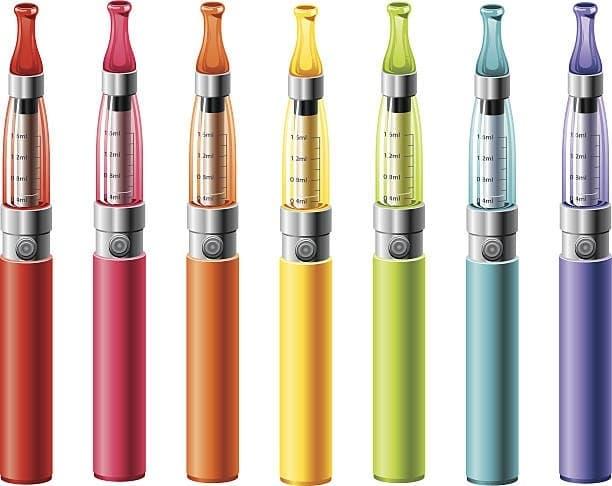
Pack smart, know the rules, and use the strategies above to travel confidently with your e-füst device while complying with e-cigarette airport security expectations. Safe travels!
- Q: Can I put my e-füst device in checked luggage?
- A: No. Most airports and airlines require electronic nicotine delivery systems and spare lithium batteries to be carried in the cabin only. Checked baggage exposes batteries to unstable pressure and makes fire response difficult.
- Q: Are power banks allowed on flights?
- A: Yes, but power banks are treated like spare lithium batteries. They must be carried in carry-on, and capacity limits (typically up to 100 Wh without approval; 100–160 Wh may require airline approval) apply.
- Q: What happens if an airport in my transit route bans vaping?
- A: You must follow the local transit airport rules. If a hub prohibits devices, they may confiscate items or deny transit. Minimize items and research transit hubs before booking connecting flights.