
Understanding the Safety of E-Cigarettes: Risks and Benefits Analyzed
The question, are e cigarettes safe to use, is at the center of ongoing debates and public health discussions. As e-cigarettes have gained popularity over the past decade, particularly among younger demographics and former smokers, it becomes crucial to closely examine their safety, advantages, and possible drawbacks. This comprehensive guide will explore key points surrounding e-cigarette use, referencing scientific studies, regulatory advice, and current user trends.
What Are E-Cigarettes and How Do They Work?
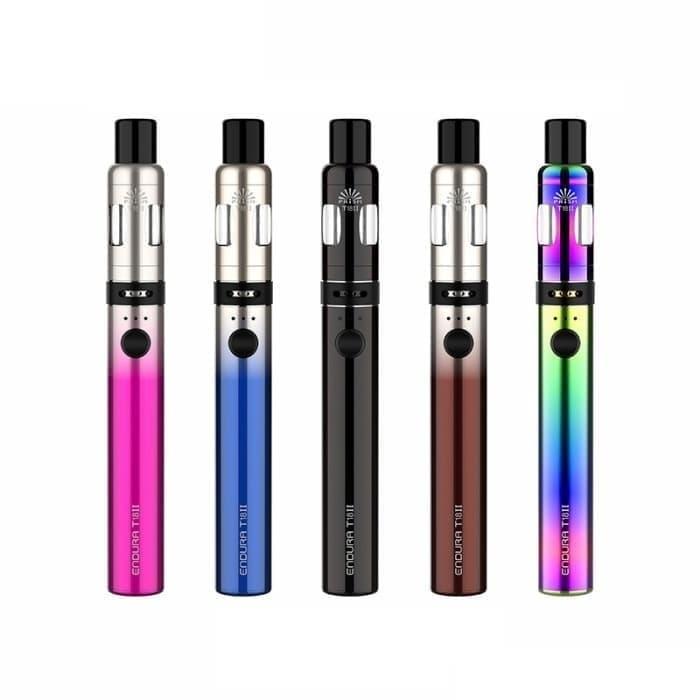
E-cigarettes, sometimes called vapes, are battery-powered devices that heat a liquid (commonly known as e-liquid or vape juice) to produce vapor for inhalation. The liquid typically contains propylene glycol, vegetable glycerin, flavorings, and varying levels of nicotine. Unlike traditional cigarettes, e-cigarettes do not involve burning tobacco, which is why many perceive them as safer alternatives.
Analyzing the Popularity of E-Cigarettes
The rapid spread of vaping has prompted many to ask, are e cigarettes safe to use? Their appeal lies in factors such as customizable flavors, perceived lower risks, lack of smoke odor, and the belief that they assist with smoking cessation. However, increased usage brings a greater need for understanding the health impacts associated with these products.
Health Risks Associated with E-Cigarette Use

- Lung Health Concerns: Many users wonder whether e-cigarettes can harm their lungs. Research has shown that while e-cigarettes expose users to fewer harmful substances than combustible tobacco products, they are not risk-free. Some studies have linked vaping with lung irritation, inflammation, and even cases of severe lung injury (EVALI), especially when unregulated or black-market substances are used.
- Nicotine Addiction: Most e-liquids contain nicotine, sometimes at higher concentrations than traditional cigarettes. Nicotine is a highly addictive substance and may have negative effects on adolescent brain development, as well as cardiovascular health.
- Potential Exposure to Harmful Chemicals: While fewer than in tobacco smoke, e-cigarette aerosols can contain harmful substances like formaldehyde, acrolein, and volatile organic compounds. The type and level of these chemicals often depend on device settings and liquid ingredients.

Exploring Potential Benefits of E-Cigarettes
- Harm Reduction for Smokers: Are e cigarettes safe to use compared to traditional smoking? For adult smokers unable or unwilling to quit nicotine, switching completely to vaping may expose them to fewer toxic substances, possibly reducing the risk of certain smoking-related illnesses.
- Absence of Combustion: Unlike cigarettes, e-cigarettes do not burn tobacco, thus eliminating tar and carbon monoxide—two main culprits in smoking-related diseases.
- Customizable and Controlled Intake: Users can select nicotine levels and flavors, potentially making the cessation process more manageable for some.
Comparing E-Cigarettes to Traditional Smoking
Many health organizations—such as Public Health England and the Royal College of Physicians—have concluded that, while not harmless, e-cigarettes are likely significantly less dangerous than smoking tobacco. The keyword remains relative safety; the question is not merely are e cigarettes safe to use, but how safe are they compared to the alternatives?
Concerns About Youth and Non-Smokers
One prominent worry is the rise of vaping among teenagers and non-smokers. Nicotine exposure at a young age can interfere with brain development, and flavors may entice those who otherwise wouldn’t consider nicotine products. There is also apprehension about e-cigarettes as a potential ‘gateway’ to conventional smoking, though definitive evidence remains limited.
Regulatory Responses to E-Cigarettes
Global regulation varies widely. Some countries embrace e-cigarettes as harm reduction tools for smokers, while others ban or heavily restrict their sale. The U.S. Food and Drug Administration (FDA) monitors marketplace products for marketing, ingredients, and youth access, but the rapid evolution of the industry makes consistent regulation challenging.
What Do Studies Say About E-Cigarette Safety?
Systematic reviews suggest e-cigarettes, when regulated and used as intended, pose fewer immediate toxins than traditional cigarettes. However, long-term health effects are less understood, due to their relatively recent introduction. Early observations highlight possible risks to heart and lung health, emphasizing the need for further research.
Are e cigarettes safe to use for everyone? Experts agree: e-cigarettes are not risk-free and should not be used by youth, pregnant women, or non-smokers. For smokers, the relative risk reduction may be beneficial, but complete abstinence from tobacco and nicotine remains the healthiest choice.
Tips for Making Informed Decisions
- Be aware of nicotine levels: Choose products with clear labeling; lower nicotine concentrations may be preferable for those seeking to reduce dependence.
- Purchase from reputable sources
 : Avoid black-market or homemade e-liquids, as these have been linked to serious health incidents.
 - Stay updated on regulations and recommendations: Guidelines can change rapidly with new research findings.
Summary: Weighing the Pros and Cons
Asking are e cigarettes safe to use opens a multifaceted conversation about risk, harm reduction, and personal responsibility. While they represent a potentially less hazardous option for adult smokers who choose not to quit, e-cigarettes still contain risky elements—especially when misused or adopted by vulnerable populations such as teenagers. With ongoing research, clearer safety profiles will emerge, but caution and informed decision-making remain paramount.
FAQ
- Q: Do e-cigarettes cause less harm than regular cigarettes?
- Current evidence suggests e-cigarettes expose users to fewer toxic chemicals. Nevertheless, they are not entirely risk-free and long-term effects require more study.
- Q: Can vaping help me quit smoking?
- Some smokers have successfully used e-cigarettes to reduce or quit tobacco. Professional guidance and additional cessation methods may improve success rates.
- Q: Are there any completely safe e-cigarette products?
- No vaping product can be considered completely safe. The best way to avoid nicotine-related health risks is complete abstinence.