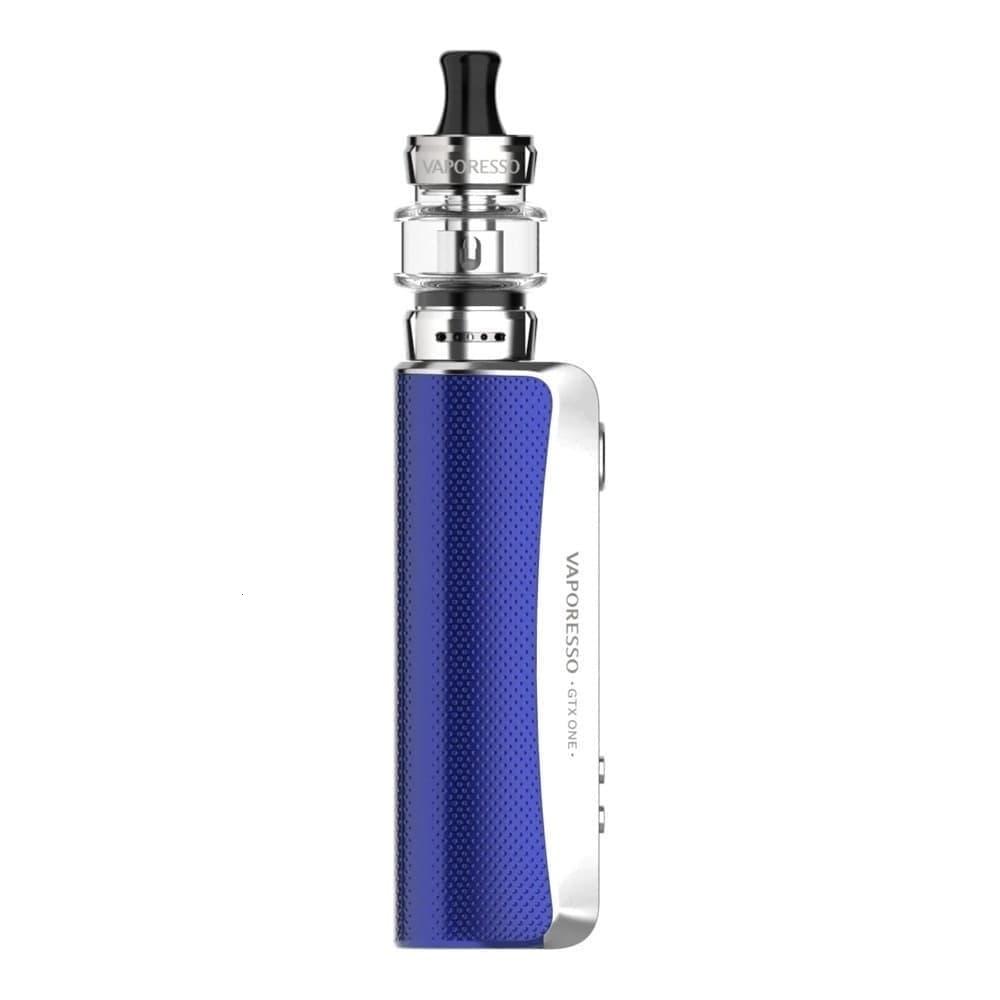
E-cigarettes in Canada: Legal Status, Regulations, and Consumer Information
As vaping culture spreads globally, many individuals ask: are e cigarettes legal in Canada? Understanding Canadian e-cigarette laws is vital for consumers, retailers, parents, and health advocates. In recent years, vaping has rapidly gained popularity as an alternative to traditional tobacco products. However, Canada’s approach to regulating e-cigarettes is distinct, nuanced, and evolving.
Legal Status of E-cigarettes in Canada
The sale, possession, and use of e-cigarettes are indeed legal in Canada, but with significant regulatory boundaries. The Tobacco and Vaping Products Act (TVPA), enacted in May 2018, governs these products across the country. The TVPA allows adults to buy and use e-cigarettes with or without nicotine. However, provinces and territories may introduce their own additional restrictions regarding public use, sales channels, and advertising. With “are e cigarettes legal in Canada” as a focal question, it’s essential to clarify that being legal doesn’t mean unrestricted.
Federal Regulations: An Overview
- The TVPA requires manufacturers to meet specific safety standards, including child-resistant packaging and clear ingredient labelling.
- Advertising and promotional activities for vaping products are restricted, especially those targeting youth or presenting vaping as glamorous.
- Nicotine level limits apply; currently, the maximum permitted nicotine concentration is set at 20 mg/mL.
- Vaping products cannot be sold or supplied to anyone under the age of 18 nationwide, although some provinces, like British Columbia, set this age at 19.

Provincial and Territorial Differences

While federal laws answer in broad terms whether e-cigarettes are legal in Canada, provinces can be more restrictive. For example, Ontario bans vaping in indoor public places and enclosed workplaces, while Quebec prohibits online sales of vaping products altogether. Saskatchewan, Alberta, and other regions may have different rules regarding retail displays, point-of-sale marketing, flavor bans, and enforcement. These local nuances highlight why the ‘are e cigarettes legal in Canada’ question may have differing answers depending on where you live.
Import, Export, and Cross-Border Concerns
Canadian residents can legally import vaping products for personal use, provided shipments comply with TVPA rules on nicotine limits and packaging. However, international sales—especially from non-compliant sources—may be seized by Customs.
Exporters and online businesses must stay updated on both Canadian law and destination country regulations.
Product Safety, Flavors, and Health Claims
Under Canadian federal law, manufacturers may offer a range of vape flavors, but some provinces have introduced flavor restrictions to curb youth access—Nova Scotia and Prince Edward Island are notable examples. Health Canada strictly forbids misleading health claims in marketing materials; sellers cannot claim that vaping is ‘safer’ or a ‘healthier’ alternative to smoking unless supported by rigorous scientific evidence.
Consumers often search “are e cigarettes legal in Canada” to determine which products are allowed and what claims are regulated.
Where Can You Use E-cigarettes?
- Most provinces restrict vaping in areas where smoking is prohibited—including schools, healthcare facilities, public transportation, and restaurants.
- Designated vape shops and some private spaces allow vaping, but landowners may impose additional rules.
- When traveling or moving between provinces, users should check local vaping laws to ensure compliance.
Health Canada Guidance and Ongoing Public Debate
Health Canada recognizes both public health benefits and concerns posed by vaping. Ongoing consultation involves policymakers, advocacy groups, and scientists. Updates to the regulatory framework are considered regularly—especially with the rise of youth vaping and new scientific data.
Major public health campaigns warn about potential risks, including nicotine addiction, respiratory issues, and uncertain long-term effects. Therefore, the legal status of e-cigarettes in Canada is embedded in broader public health priorities.
What Is Next for Canadian Vaping Law?
The landscape is continuously evolving, so consumers and retailers must remain vigilant. Health Canada conducts enforcement blitzes, updates scientific advisories, and consults on possible future flavor bans, taxation measures, and more robust reporting requirements for vape-related injuries. The central question, “are e cigarettes legal in Canada,” remains dynamic as regulators respond to new challenges.
Tips for Responsible Vaping in Canada
- Always check local rules before buying or using e-cigarettes.
- Only purchase products from licensed, legal retailers to ensure compliance with Canadian standards.
- Respect age restrictions and support educational efforts to discourage youth vaping.
- Review ingredient, nicotine levels, and health warnings on all vape products.
- Stay informed on Health Canada advisories about product recalls or evolving regulations.