
Responsible Vaping and End-of-Life Care for Devices
Vaping responsibly goes beyond choosing the right e-liquid or following device instructions; it includes planning for the end of a product’s life. Whether you own a compact pod, a refillable kit, or a disposable model, correct disposal and recycling of components matters for safety, environment, and compliance. This guide focuses on best practices for consumers who use products from the IBvape family and anyone searching for practical advice on how to dispose of e-cigarettes. Throughout this resource you will find clear, actionable steps to lower environmental impact while keeping public health and safety front of mind.
Why proper disposal matters
Discarded e-cigarettes contain batteries, metal components, plastics, and residual liquids that can be hazardous if handled incorrectly. Lithium-ion cells, which power many vaping devices, pose a fire and chemical risk if punctured, crushed, or exposed to high heat. Nicotine-containing liquids are toxic to humans, pets, and wildlife if mismanaged. Recycling and correct disposal prevent soil and water contamination, reduce landfill waste, and support circular economy goals.
Key reasons to follow a disposal plan
- Safety: Avoid fires and leaks by preparing batteries and pods properly.
- Regulation: Many municipalities and states have rules about battery and hazardous waste disposal.
- Environmental protection: Reduce contamination and conserve resources by recycling metals and plastics.
- Community responsibility: Prevent accidental exposure for waste handlers and the public.
Overview: Types of e-cigarette products and implications
Understanding the design and components helps determine the right disposal route. Common categories include: disposable devices, refillable pens and pod systems, and mod or tank systems with removable batteries. Each requires slightly different handling: disposables often contain sealed batteries and residual e-liquid, while modular systems allow battery removal for separate recycling.
What to do before disposal
- Empty or use up the e-liquid where possible to minimize hazardous waste.
- Remove and separately treat rechargeable batteries if removable.
- Seal tanks and cartridges in plastic bags to prevent leakage.
- Label or inform collection centers if the device contains nicotine residue or is damaged.
Step-by-step: Safe preparation for disposal
Follow these practical steps as a template for most devices:
- Power down the device and follow manufacturer instructions to remove batteries if the design allows. For many products in the IBvape ecosystem, user manuals explain safe battery removal and transport.
- Drain or absorb any remaining e-liquid with paper towel and dispose of that towel as household hazardous waste per local rules. Do not pour e-liquids down drains or into soil.
- Place cartridges, pods, and leftover liquids into sealable bags or containers to prevent leaks during transport.
- For removable lithium-ion batteries, place terminal tape over contacts or store each battery in a protective case to prevent short circuits.
- Locate an approved battery recycling drop-off or hazardous waste collection site and transport items safely according to local guidance.
How to dispose of e-cigarettes: recycling and collection options
There is no single global answer to how to dispose of e-cigarettes, but several reliable pathways exist:
- Manufacturer take-back programs — Many reputable brands operate or partner with programs to collect used devices and components. Check IBvape support pages or contact customer service to learn about collection options tied to your product’s model. Using manufacturer channels often ensures proper disassembly and material recovery.
- Retail take-back — Some vape shops or large retailers accept used devices and cartridges for recycling. Verify their policies before dropping off items.
- Household hazardous waste facilities — Municipal drop-off days and hazardous waste centers typically accept batteries and nicotine liquids. Look up local guidelines to schedule a drop-off.
- Battery recycling centers — For devices with removable cells, battery-only recycling is essential. Many electronics drop-off points or national battery take-back schemes handle lithium-ion cells safely.
- Mail-back programs — Certain services accept pre-packaged returns of devices and e-liquid waste. Always follow packaging instructions and legal restrictions for mailing batteries.
Finding local resources
Use municipal websites, national recycling databases, or official environmental agency portals to find approved collection points. Search terms such as IBvape E-Cigarete and how to dispose of e-cigarettes combined with your city or county name can quickly surface local options. If in doubt, call your local waste authority before leaving devices curbside; improper disposal could result in fines or missed opportunities to recycle valuable materials.
Special considerations for batteries
Battery management is arguably the most critical aspect of e-cigarette disposal. Follow these technical tips:
- Never place loose lithium-ion batteries in regular trash or recycling bins.
- Avoid puncturing batteries, exposing them to water, or throwing them into compactors that could crush the cells.
- Use non-conductive tape (e.g., electrical tape) to cover battery terminals and pack batteries separately in approved containers for transport.
- If a battery is damaged, swollen, or leaking, treat it as hazardous waste: contact a hazardous materials team or a specialized recycler to arrange safe drop-off. Do not attempt to open or repair compromised cells yourself.
Handling disposables and pods
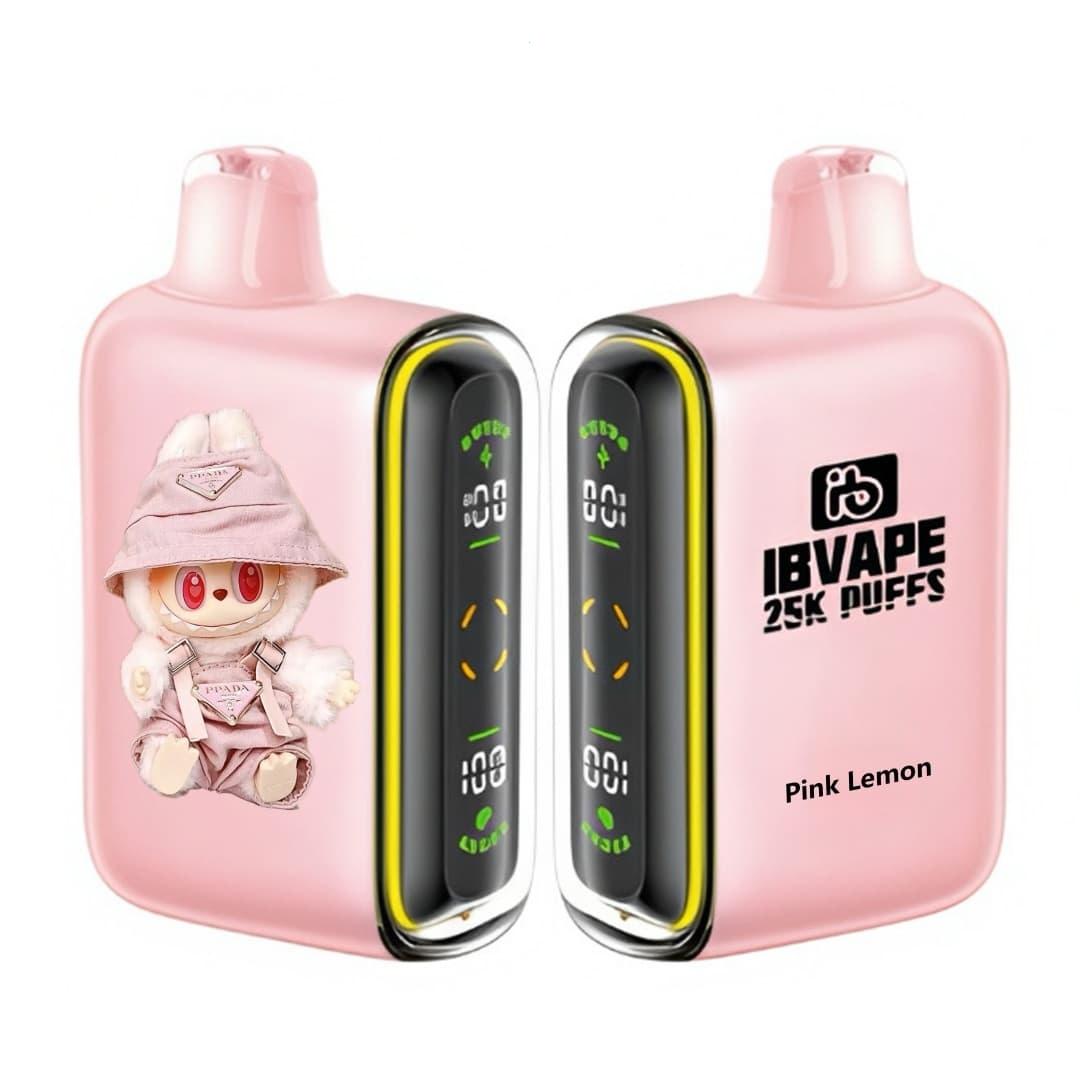
Disposable devices and single-use pods are increasingly common but present unique challenges: they combine battery and liquid in a sealed unit. For these, the route is:
- Attempt to use the product until empty to minimize liquid waste.
- Store used disposables in a cool, dry place away from children and pets while awaiting proper collection.
- Seek retailer or municipal programs that accept sealed disposables for recycling or safe disposal.
Do not incinerate or crush disposables
Burning or crushing sealed units risks releasing toxic vapors and can cause battery fires. Never place devices in incineration facilities or compact them in general waste streams.
Legal and regulatory notes
Regulations vary by jurisdiction. Some countries and regions have explicit rules for e-cigarette disposal; others classify nicotine waste as hazardous. Brands and retailers often provide region-specific guidance. If you are an employer or run a retail outlet, ensure your staff are trained to accept returned items and handle them in compliance with local laws.
Practical tips for consumers and small businesses
Whether you are a solo vaper or manage a small chain of stores, embedding safe disposal into routine operations both reduces risk and builds customer trust. Consider these operational tips:
- Provide clearly labeled collection containers for used devices at point-of-sale areas.
- Train staff on how to identify damaged batteries and how to temporarily store them for pick-up.
- Offer customers information leaflets or QR codes that link to manufacturer disposal instructions and local recycling partners.
- Partner with certified e-waste recyclers to conduct periodic pickups rather than accumulating large volumes in-store.
Environmental impact and lifecycle thinking
Thinking in terms of product lifecycle can change how you buy and use devices. Refillable systems and devices designed for easy battery replacement tend to have lower lifetime environmental impacts compared to frequent single-use disposables. When shopping, consider product repairability, availability of replacement parts, and whether the manufacturer provides a recycling program. These choices reduce the number of units entering the waste stream and make recycling more feasible.
Specific guidance for IBvape users
IBvape users can apply these general principles and seek brand-specific resources. If you use an IBvape E-Cigarete model, refer to your user manual for safe battery removal and manufacturer-recommended disposal channels. IBvape and similar manufacturers often publish disposal and recycling instructions on their support pages; those resources are a primary source for best practices and return programs. Use the how to dispose of e-cigarettes search phrase along with the product model to find the most relevant guidance for your device.
Best habits for longevity and easy end-of-life handling
- Keep devices clean and well maintained to extend lifespan.
- Buy modular devices when possible so worn components can be replaced without discarding the entire unit.
- Use rechargeable batteries that are designed to be removed and recycled responsibly.
Consumer checklist: quick reference
Before you dispose of or recycle any vaping device, run through this short checklist:
- Did you power off and remove the battery (if removable)?
- Is residual e-liquid drained or absorbed and safely contained?
- Are battery terminals protected to prevent short circuits?
- Do you know the location of the nearest hazardous waste or battery recycling drop-off?
- Have you considered manufacturer take-back or retail return options?
Common mistakes to avoid
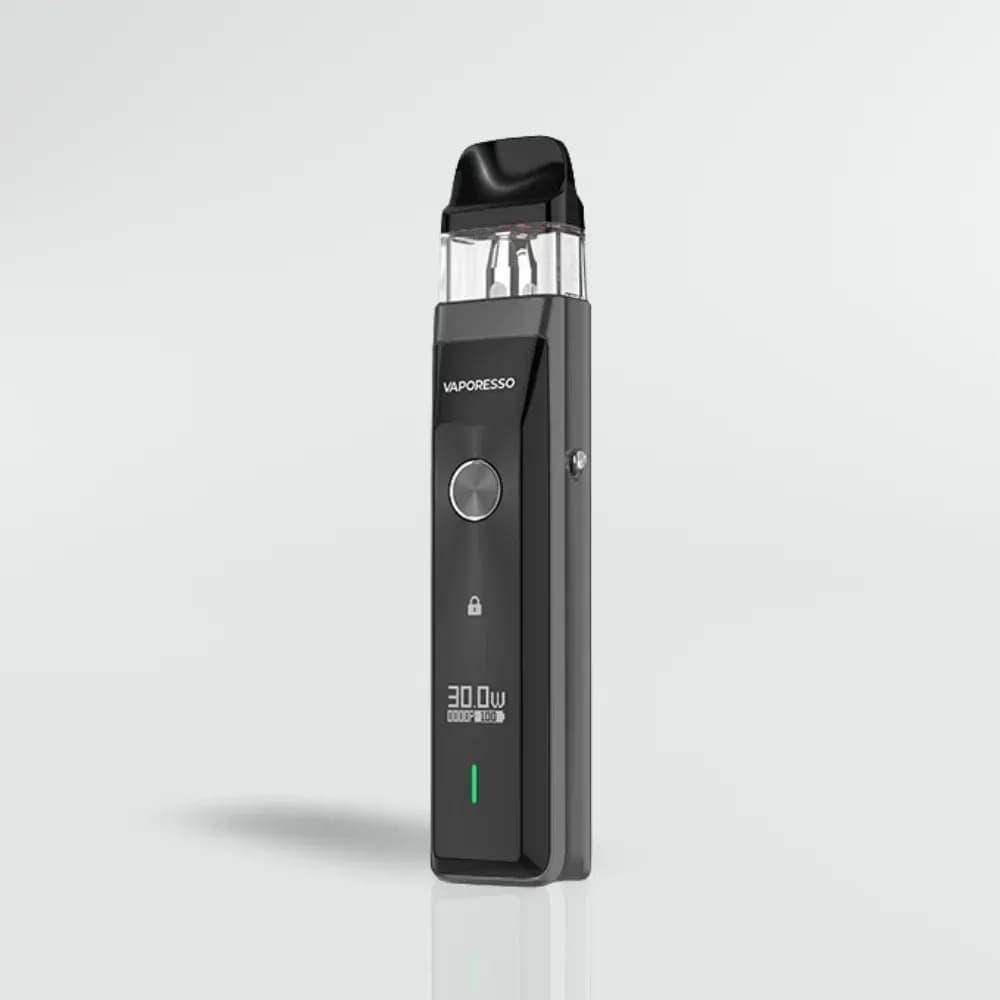
Avoid these frequent errors that lead to hazards or lost recycling opportunities:
- Putting batteries in regular trash or curbside recycling bins.
- Throwing nicotine liquids down drains or in the garden.
- Assuming all recycling centers accept electronics—call ahead.
- Crushing or piercing used devices at home to reduce volume.
How to advocate for better systems
Consumers and retailers can promote safer disposal by advocating for broader take-back programs, standardized labeling, and clearer guidance from manufacturers. Use social channels, email feedback to brands, or join community environmental groups to push for convenient, widely available recycling infrastructure. Clear labeling that answers the question how to dispose of e-cigarettes directly on packaging helps ensure correct handling at end-of-life.
Conclusion and next steps
Responsible disposal of vaping products is a shared responsibility that reduces environmental harm and protects public safety. Whether you use an IBvape E-Cigarete or another brand, following the steps in this guide will help you make informed choices: prepare devices safely, separate batteries, use approved recycling channels, and seek manufacturer or retailer take-back programs. By incorporating lifecycle thinking into purchasing and disposal habits, you reduce risk and contribute to a cleaner, safer community.
FAQ
- Q: Where can I take my used IBvape device for recycling?
- A: Check IBvape’s official support pages or contact local vape retailers and municipal hazardous waste centers. Many regions also offer battery take-back locations that accept devices with removable cells.
- Q: Can I throw a disposable vape in the trash after it’s empty?
- A: No. Even when discharged, disposables can contain battery materials and residual nicotine. Use a designated collection or hazardous waste facility.
- Q: How should I store batteries for transport to recycling?
- A: Tape the terminals with non-conductive tape, place each battery in a protective case or separate container, and avoid mixing with metal objects that may cause short-circuiting.

Keywords used for SEO: IBvape E-Cigarete, how to dispose of e-cigarettes. Keep these phrases in mind when searching for local guidance, product-specific instructions, or recycling partners to ensure the safest and most responsible disposal pathway for your vaping devices.