
Electronic cigarettes, often touted as a less odorous alternative to traditional tobacco products, have incited much debate over whether they truly produce a discernible smell. Their popularity has soared due to perceptions of being a cleaner, subtler alternative to smoking. But does the use of electronic cigarettes, or e-cigarettes, indeed contribute to a noticeable olfactory presence? To understand this, we need to explore several facets of how these devices function and what they emit.
Understanding the Composition of E-cigarettes
The primary components of an e-cigarette include the e-liquid, which typically consists of propylene glycol, vegetable glycerin, nicotine, and varying flavors. When an e-cigarette is used, the e-liquid is heated and vaporized, producing what users commonly refer to as vapor. This vapor, however, is not entirely odorless.
Flavors play a significant role in the aroma of electronic cigarettes. While some users might opt for flavorless versions, the vast majority choose flavored e-liquids ranging from fruity to dessert-like aromas. The consequence of this selection is an often sweet-smelling vapor that can linger in the air shortly after exhalation.
The Olfactory Impact of Electronic Cigarettes
Unlike the unmistakable and often detested smell of combustible tobacco smoke, e-cigarette vapor tends to be subtler. However, just as with traditional cigarettes, the smell’s intensity and persistence can vary significantly depending on several factors, including the type of e-cigarette, flavor strength, and environmental conditions.
For instance, enclosed spaces might capture and hold the aroma longer than open environments, allowing it to be noticed more readily. Similarly, the personal preference of individuals regarding smell may color their perception; what one person finds negligible, another might detect as bothersome.
Factors Influencing the Perceived Smell
- Type of E-liquid: Some e-liquids have stronger fragrances due to the complex nature of their flavor compounds.
- Environmental Conditions: Airflow and temperature impact how quickly a scent dissipates, affecting how long and strongly it lingers.
- E-cigarette Power Settings: Higher wattages often produce more vapor, potentially amplifying the odor output.
Comparing to Traditional Cigarettes
Unlike traditional cigarettes that often leave a lingering stench that clings to hair, clothing, and furniture, e-cigarettes typically don’t have the same enduring effect. This reduced olfactory footprint is a significant reason many prefer vaping over smoking if their aim is to minimize smell.
E-cigarettes: Perception vs. Reality
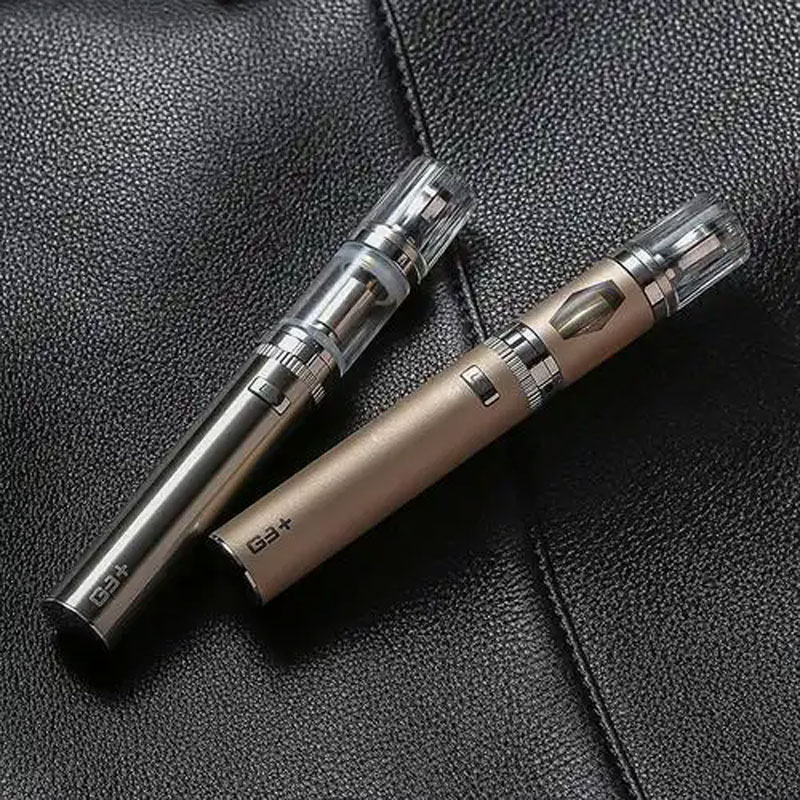

Despite being less potent in aroma than smoked tobacco, e-cigarette use is not entirely without scent. This perception is crucial for users who might vape in public spaces where the fragrance could be detected by non-smokers and regarded as unpleasant. Moreover, public tolerance for e-cigarette aromas can vary widely, significantly influenced by local normatives and personal sensitivities.
For those sensitive to smells, even the mild aroma of e-cigarettes can be unwelcome, prompting discussions and further studies on air quality and ventilation efficacy in indoor environments where vaping occurs.
Conclusion
In conclusion, while electronic cigarettes do emit an odor, it is generally considered to be far less intense and persistent than that of traditional cigarettes. However, they are not completely odorless, mainly due to the flavored e-liquids used. Whether they leave a “noticeable” smell largely depends on individual sensitivity, choice of flavor, and the environment in which vaping takes place.
Frequently Asked Questions
Q: Can the smell of e-cigarettes bother non-smokers?
A: Yes, while less pervasive than cigarette smoke, some people may still find the vapor’s scent bothersome, especially in enclosed spaces.
Q: Do all e-cigarette flavors emit the same level of odor?
A: No, the scent can vary significantly with the type of flavoring used; some might be more pungent than others.
Q: Is there any way to minimize e-cigarette smells?
A: Choosing less fragrant flavors and vaping in well-ventilated areas can help reduce noticeable odors.