
A practical beginner’s primer on the modern e-cigarette and its common uses
If you’ve searched for e-cigarette information or wondered what is an e cigarette used for, this comprehensive, user-focused guide breaks down the essentials, safety considerations, and practical tips that matter most to newcomers and curious consumers. Whether you’re researching alternatives to combustible tobacco, exploring nicotine delivery options, or simply trying to understand the technology, this resource is written to be clear, actionable, and balanced.
Why people choose an e-cigarette: common purposes and motivations
Understanding what is an e cigarette used for starts with motivations. Many users adopt an e-cigarette for one or more of these reasons: smoking cessation or reduction, perceived reduced harm compared to cigarettes, convenience in places where smoking is restricted, flavor variety, and a desire to avoid secondhand smoke. Health professionals and harm reduction advocates often frame e-cigarettes as a potential tool for smokers who cannot or will not quit nicotine altogether, while regulators and public health agencies emphasize risk communication and youth protections.
How an e-cigarette works: basic components
- Battery / power source: supplies energy to heat the coil.
- Atomizer / coil: a heating element that vaporizes e-liquid.
- Tank or pod: holds the e-liquid that becomes aerosol.
- Mouthpiece / drip tip: the part you inhale through.
- Electronic control: features such as wattage, temperature control, and safety cutoffs.
Knowing these parts helps you understand maintenance, troubleshooting, and safety concerns.
Different device types and how they are used
- Disposable e-cigarettes: single-use, pre-filled, low-maintenance—commonly used by first-timers exploring flavors or nicotine.
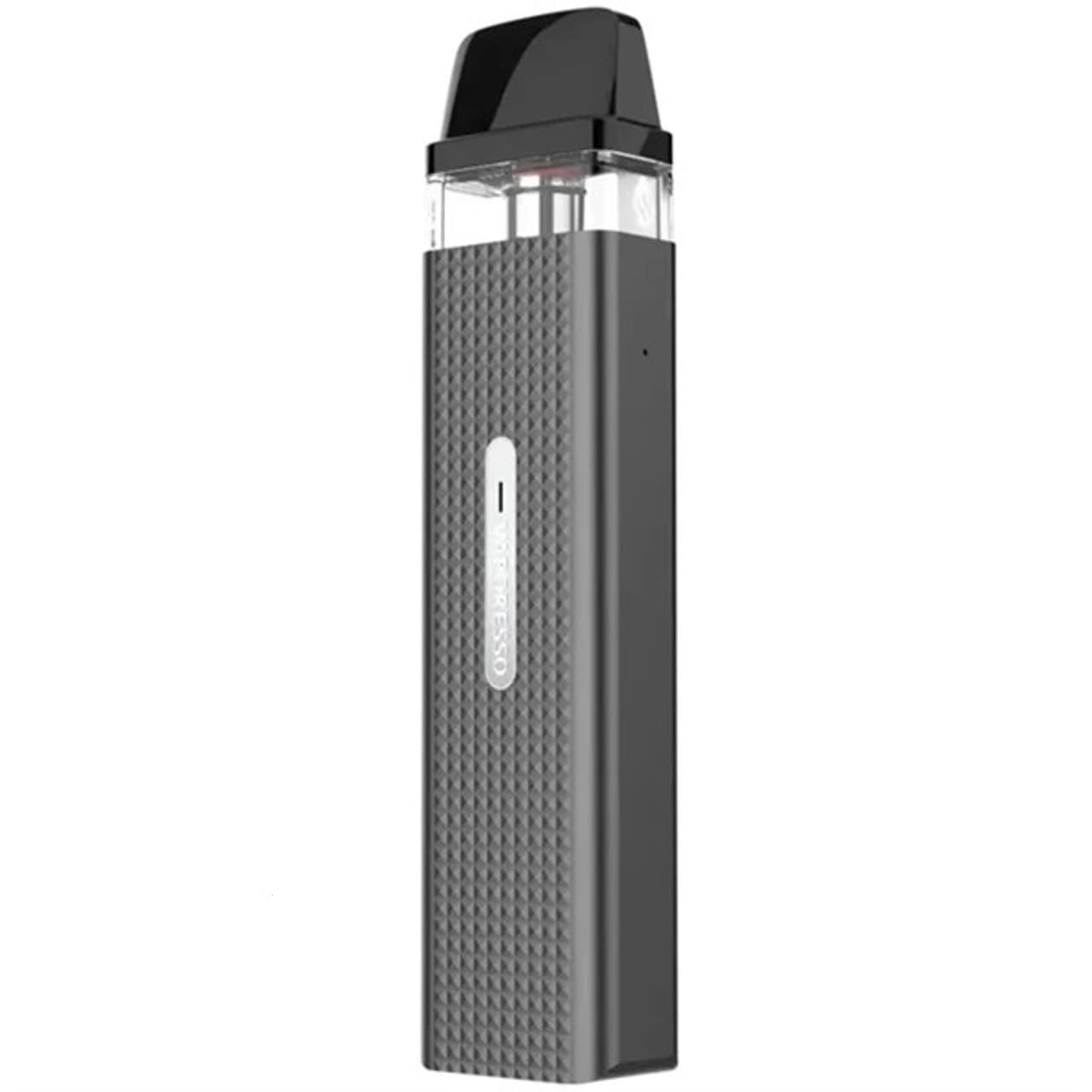
- Pod systems: compact, replaceable pods; often used for nicotine salts and favored for portability and simplicity.
- Vape pens: slightly larger with refillable tanks; good for users seeking a balance between performance and ease.
- Mods and advanced devices: allow adjustable power and coil configurations for enthusiasts; used by people who want control over cloud, flavor, and throat hit.
MTL vs DTL inhalation styles
MTL (mouth-to-lung) mimics cigarette inhalation and is common for nicotine salt e-liquids or higher nicotine strengths. DTL (direct-to-lung)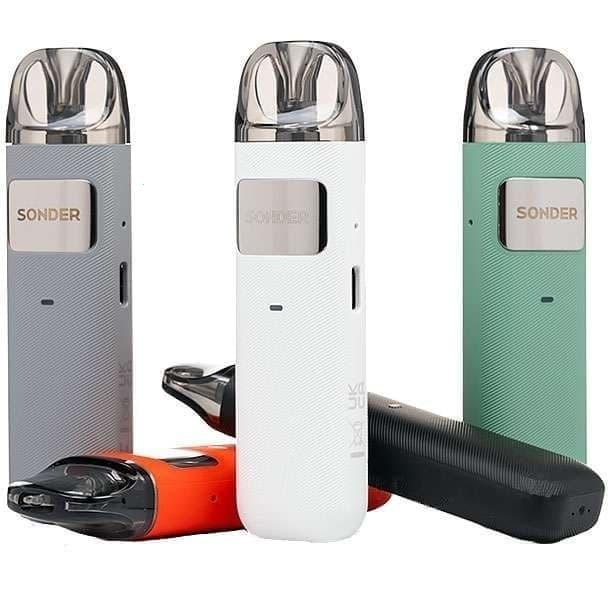 produces larger aerosol clouds and typically pairs with sub-ohm coils and lower nicotine concentrations. Choice of style influences which e-cigarette best suits your goals.
What e-liquids do and how to choose them
Liquid or “juice” is the substance vaporized by an e-cigarette. It usually contains propylene glycol (PG), vegetable glycerin (VG), nicotine (optional), and flavorings. Key variables include:
- Nicotine strength: ranges from 0 mg/mL to high concentrations in nicotine salts; choose according to dependence, prior smoking level, and desired throat hit.
- PG/VG ratio: higher PG gives stronger throat hit and better flavor carry; higher VG produces thicker vapor and smoother inhale.
- Flavor type: tobacco, menthol, fruit, dessert, beverage—preferences vary widely and can influence adherence to switching away from cigarettes.
Safety fundamentals: what every user should know
To use an e-cigarette safely, follow a few practical rules: keep batteries in proper condition, avoid overcharging, prime coils before use, store liquids out of reach of children and pets, and select reputable products from established manufacturers. Understanding battery safety (correct chargers, avoiding damaged cells) and coil maintenance reduces risk of malfunctions. Never expose devices to extreme heat or water unless designed for it.
Health considerations and evidence overview
Evidence suggests that for adult smokers who fully switch from combustible cigarettes, e-cigarettes may reduce exposure to many toxicants produced by burning tobacco. However, e-cigarette aerosol is not harmless—there are respiratory and cardiovascular considerations, and long-term effects are still being studied. Young people, pregnant people, and non-smokers are strongly advised not to use nicotine-containing e-cigarettes. Health agencies emphasize that the best option for health is complete cessation of all nicotine products.
Practical setup and first-use checklist
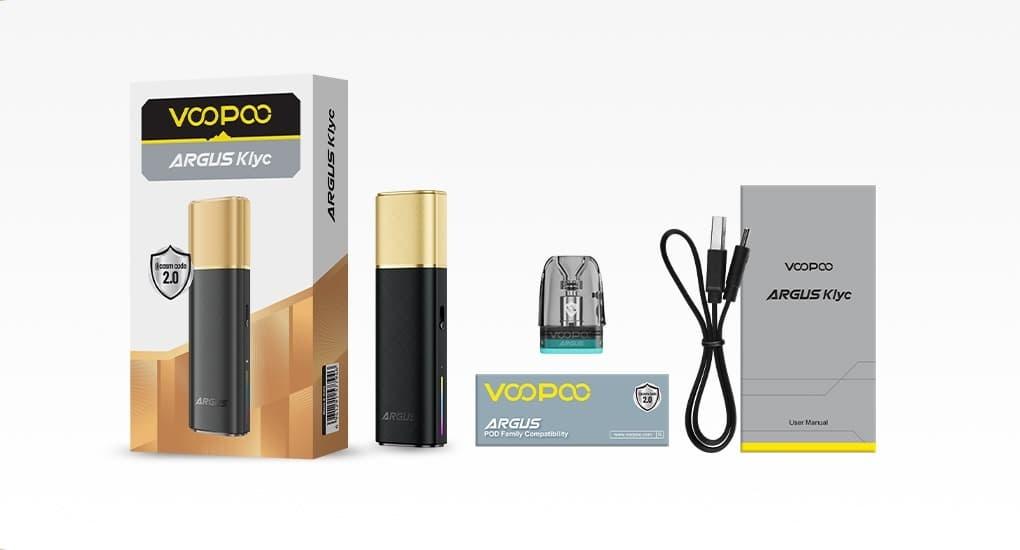
- Read the manufacturer’s manual.
- Charge the device using the supplied charger until indicated full; avoid overnight charging unless device specifies safe auto-cutoff.
- If refillable, fill the tank correctly and let coils soak for the recommended time to avoid dry hits.
- Start at lower power settings and increase gradually if your device allows it; this protects coils and improves flavor.
- Inspect O-rings and seals to prevent leaks.
Maintaining your device for longevity and performance
Regular cleaning and replacing consumables keep performance consistent. Clean tanks and mouthpieces with warm water (air-dry thoroughly), replace coils according to flavor/wattage degradation, and wipe battery connections with a dry cloth to maintain a solid electrical connection. For advanced devices, ensure firmware is up-to-date if applicable and use coil resistance appropriate for your device.
Troubleshooting common issues
- Gurgling or leaks: often due to overfilling or worn seals—clean and reassemble, check O-rings.
- Weak flavor: try a coil change, check wattage, or select a juice with higher PG for stronger throat hit.
- Burnt taste: prime new coils properly and start at lower wattage; replace coil if burnt persists.
- Device not firing: ensure battery is charged, check 510 connection, confirm safety lock is off.
Nicotine: selection, withdrawal, and tapering strategies
Nicotine replacement via e-cigarette can help smokers manage cravings. Consider starting with a nicotine strength approximate to your cigarette consumption and adjust down over time. Nicotine salts provide a smoother throat hit at higher concentrations and can be helpful for those with strong dependence. Create a taper plan with gradual reductions in strength or frequency of use; many users pair behavioral strategies and support to increase success.
Regulatory, age, and social considerations
Local laws about sales, indoor use, marketing, and flavors vary. Many jurisdictions restrict sales to adults, ban flavored products, or regulate nicotine concentrations. Be cognizant of other people’s preferences and local rules when vaping in public spaces. Respect designated smoke-free areas and ask when uncertain.
Storage, disposal, and environmental tips
Store e-liquids in cool, dark places away from children. Dispose of batteries and used cartridges responsibly at electronic waste or battery recycling points. Empty e-liquid bottles need proper hazardous waste handling if they contain nicotine. Avoid discarding batteries in household trash.
How to choose your first device: a decision framework
- Define goals: quitting smoking, casual nicotine use, hobbyist interest.
- Match device to preferred inhalation style (MTL for cigarette-like, DTL for cloud production).
- Consider maintenance willingness: disposables and pod devices require less upkeep than refillable tanks and mods.
- Budget: factor in initial cost and recurring expenses like coils, pods, and e-liquid.
- Safety and reputation: choose manufacturers with clear specifications and reliable customer support.
Common myths and facts
Myth: e-cigarettes are totally harmless. Fact: they reduce some risks compared to smoking but are not risk-free.
Myth: flavors only appeal to kids. Fact: many adult smokers use flavors to switch away from cigarettes, though youth access is a public health concern that must be addressed through policy and enforcement.
Advanced topics briefly explained
Interested readers may explore coil types (mesh vs. traditional wire), temperature control modes, wattage curves, nicotine salts chemistry, DIY e-liquid mixing and safety, and rebuildable atomizers. These topics are useful for enthusiasts but require technical knowledge and safe practices.
Etiquette, social use, and communicating with others
Be mindful of non-vapers; ask before vaping near others. Explain your reasons if privacy or work environments demand it, and be prepared to comply with restricted-area rules. Clear communication reduces conflict and supports respectful public use.
Where to get reliable information
Seek reputable sources: peer-reviewed journals, health organization guidance, and official regulatory communications. Retailers and manufacturer materials can be useful for technical specs and operation instructions but cross-check health claims with independent research.
Checklist for safe first-time use of an e-cigarette
- Confirm age eligibility and local legality.
- Choose a device that matches your goals.
- Read the manual and safety precautions.
- Use the correct charger and power source.
- Prime coils and fill tanks as instructed.
- Start at low settings and increase carefully.
- Store liquids and batteries safely away from children and pets.
Key takeaways
The concept of what is an e cigarette used for is multifaceted: these devices serve as nicotine delivery systems, potential harm reduction tools for adult smokers, and a hobbyist platform for device customization. Users must weigh benefits against potential risks, follow safety practices, and remain informed about evolving evidence and regulations. Thoughtful selection, proper maintenance, and responsible use maximize the chance that an e-cigarette will meet your goals while minimizing avoidable harms.
Further reading and next steps
Before making changes to your nicotine use, consider consulting a healthcare professional, exploring smoking cessation programs, and reviewing current local rules. If you decide to try an e-cigarette, start with reputable retailers and products and prioritize safety-first practices.
FAQ
- Can e-cigarettes help people quit smoking?
- Many adult smokers report success when switching completely to e-cigarettes, and some studies suggest they can be effective as a cessation aid when combined with behavioral support. However, results vary and complete cessation of all nicotine products remains the healthiest outcome.
- Are e-cigarettes safer than traditional cigarettes?
- Evidence indicates lower exposure to many toxicants found in cigarette smoke for those who completely switch, but e-cigarettes are not risk-free and long-term effects are still under research.
- How do I pick the right nicotine strength?
- Beginner adults should match nicotine roughly to their cigarette use; heavy smokers may prefer higher strengths or nicotine salts for effective craving control, while those who vape for flavor may choose lower or zero nicotine.