
Practical guidance from IBVape Shop|can we carry e cigarettes in flight and safe packing tips
Traveling with vaping equipment raises common questions: are e-cigarettes allowed on airplanes, where should batteries go, and how to avoid spills and confiscations? This comprehensive guide synthesizes airline regulations, TSA-style security practice, international quirks, and practical packing workflows so that vapers and first-time travelers can board calmly. The content emphasizes safety, compliance, and packing efficiency, while reflecting trustworthy advice a customer might expect from a reputable vendor such as IBVape Shop.
Quick summary: the essentials
In most jurisdictions and on most commercial airlines, e-cigarettes, vape pens, mods, and other electronic nicotine delivery systems (ENDS) are permitted in carry-on luggage but are prohibited from checked baggage. Batteries—especially lithium-ion cells—require special handling. Liquids (e-liquids) are subject to the same rules as other liquids in hand baggage: capacity limits and security declarations. Follow this page as a step-by-step packing checklist and reference, and consult your airline and departure/arrival airport authority for the latest local rules.
Why rules exist: safety and international differences
Airlines and aviation authorities restrict where e-cigarettes travel because of the fire risk of lithium batteries and the possibility of liquid leakage. Regulatory bodies such as the FAA, EASA and many national civil aviation authorities have established similar frameworks, yet details vary by country and airline policy. When traveling internationally you must cross-check both the departure and arrival rules—most stringent rule applies during transit.
Key regulatory points to remember
- Carry-on vs checked baggage: Keep devices and spare batteries in the cabin, not in checked luggage.
- Battery safety:
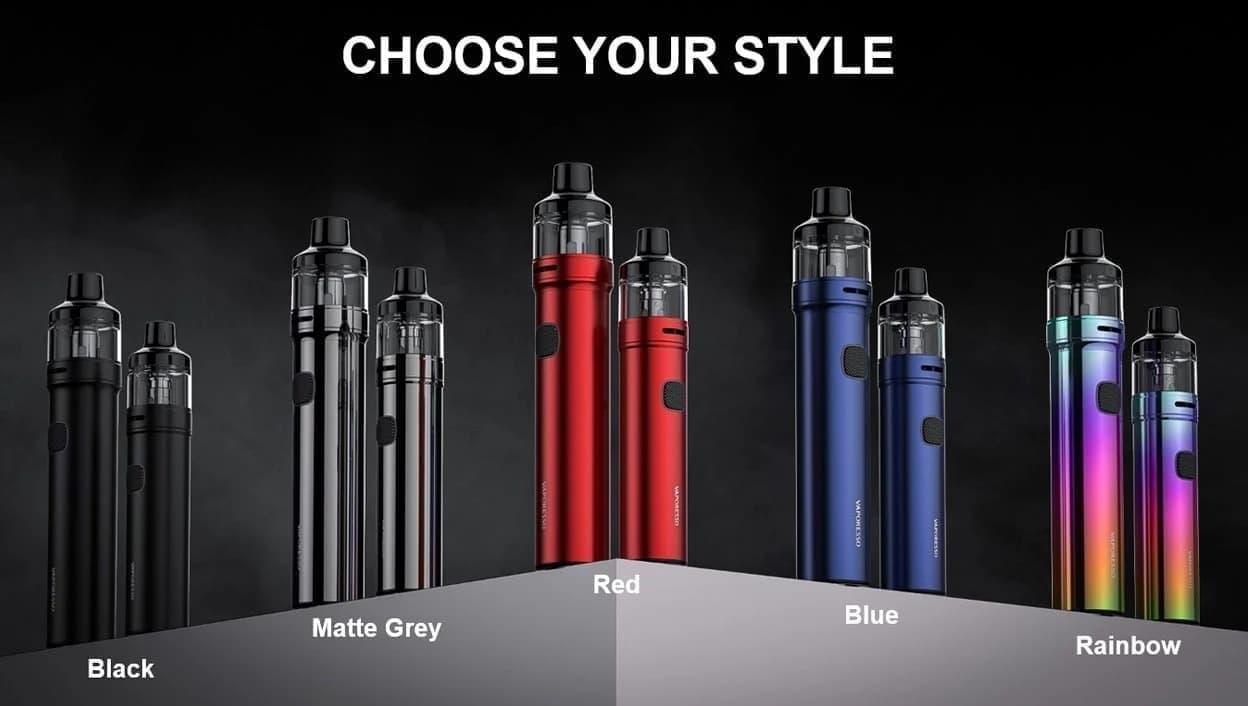 Cover battery terminals, use protective cases, and do not mix loose cells with metal objects.
 - Liquid allowances: E-liquids must comply with the airport 100ml/3.4oz rules and fit inside a single quart-sized clear bag (or local equivalent).
- No in-flight use: Most airlines prohibit vaping on board—do not attempt to vape in the cabin or lavatory.
Preparing your devices: checklist before leaving home
Follow a pre-flight routine to reduce risk and streamline security screening: charge devices fully (but not excessively), empty tanks if you prefer (some travelers drain tanks to reduce leakage), make sure tanks are capped, store spares in protective cases, and carry documentation or receipts if your device is new or unusual. A labeled vape kit can help clarify contents during inspection.
Suggested packing list
- Primary device in a rigid protective case
- Spare batteries in manufacturer sleeves or a battery case with individual compartments
- Small funnel and spare glass in padded wrap if you transport bottles of e-liquid
- Clear resealable bag with e-liquids within the 100ml limit
- Disposable wipes and paper towel to handle any spills
- Receipts or instruction manual if you must prove the function of a device
 IBVape Shop explains can we carry e cigarettes in flight and how to pack them safely” />
Battery rules and best practices

Most incidents involving devices on aircraft are battery-related. Lithium-ion cells have high energy density and can short-circuit if damaged or improperly stored. Airlines require spare batteries to be carried in the cabin, often with terminals protected to prevent shorting. Follow these concrete steps: place spare batteries in original packaging or insulating caps, use dedicated battery cases, tape over terminals if necessary, and never store loose cells in pockets or checked bags. For integrated batteries, ensure the device is switched off and ideally in a protective case to prevent accidental activation.
Restricted battery types
Large lithium batteries or prototype packs may be restricted. For standard devices you buy from reputable shops like IBVape Shop, make sure your battery capacity is within airline acceptable limits (typically under 100Wh for most consumer limits, with specific approvals needed above that). Always check airline policy for batteries between 100Wh and 160Wh.
Handling e-liquid and nicotine-containing products
E-liquids face two overlapping rule sets: aviation liquid limits and local controlled substance laws. For carry-on, the standard international rule is containers of 100ml or 3.4oz or less, placed in a single clear resealable bag. If you carry nicotine-containing e-liquids, be aware some countries treat nicotine as a regulated substance—import restrictions or taxes may apply. Pack all bottles upright and inside a sealed secondary bag to contain leaks.
Leak prevention techniques
- Use leak-proof caps and store bottles upright.
- Put small bottles into zip-lock bags; double-bag for long flights.
- Consider transferring e-liquid into travel-safe bottles filled no more than 80% to allow for pressure changes.
- Wipe tanks dry before sealing your kit in a case.
Security screening: what to expect
At the checkpoint, devices often require separate screening. Remove your battery-powered devices from bags when requested and place them in a bin. Expect security officers to ask you to power on devices to demonstrate they are genuine electronic items. Carry a small charger or ensure the device is charged enough for a momentary power-on; do not overly rely on this because policies vary. Having the IBVape Shop packaging or a printed receipt can help if your device is unfamiliar to the agent.
Airline-specific nuances and examples
Each airline may have additional rules. Low-cost carriers sometimes enforce stricter limits on carrying e-liquids or batteries. Long-haul international carriers typically follow ICAO and IATA guidance but may add their own clauses regarding in-cabin storage during turbulence. Before travel, check the airline’s official rules and search the frequent questions for terms like “e-cigarette baggage,” “spare batteries,” and “vape liquid.”
Packing strategies: step-by-step
Use the following sequence when preparing your kit for the airport: 1) Empty and cap tanks or remove cartridges, 2) Place device in a protective case, 3) Secure spare batteries in a dedicated battery pack, 4) Put e-liquids in small bottles inside a quart-sized clear bag, 5) Label the bag visibly and layer it at the top of your carry-on for quick removal at security, 6) Keep a small maintenance kit (screwdriver, cotton pads, spare o-rings) in sealed pouch.
What to avoid: common mistakes
- Packing loose batteries in checked luggage or unprotected pockets.
- Filling tanks to the brim—leave space for expansion at altitude.
- Assuming policies are identical across countries—double-check.
- Vaping on board; this risks fines and enforcement action including diversion or arrest in some jurisdictions.
International travel and customs considerations
When moving between countries, local tobacco and nicotine rules can impact whether you can bring regulated e-liquids or devices into the country. Some nations ban nicotine-containing e-liquids entirely or require specific labeling. Search “vape import rules [country name]” before you depart. If you are carrying a substantial quantity for personal use, be prepared to explain and show reasonable amounts; commercial quantities may trigger duties or confiscation.
What to do if security confiscates items
If an item is confiscated, request a written receipt or a reference number. This record helps with any follow-up or complaints. If you strongly believe the confiscation was in error, ask for the name and position of the officer who made the decision and politely inquire about the appeals process. Filing a complaint with the airline or airport authority while you still have travel documents increases the chance of recovery.
Tips for long trips and layovers
For multi-leg journeys, assume the strictest rule from any sector could be applied during transfer. Keep your items in carry-on, not in checked luggage. During long layovers you will likely clear security again—keep everything accessible. If you plan to vape at your destination, ensure local availability of e-liquids or bring enough to last the trip while respecting quantity limits.
Buying devices and travel-friendly accessories
Choose travel-optimized accessories if you travel often: compact, lockable cases; labeled battery holders; small spill-proof bottles; and travel chargers appropriate for in-country voltage (do not charge devices during the flight). Many retailers, including knowledgeable shops like IBVape Shop, offer travel kits that consolidate all compliant components for ease of use.
Accessories worth investing in
- Padded, rigid vape case with designated compartments
- Battery cases with individual slots and insulating covers
- Clear, small-volume bottles with leak-resistant caps
- Silicone sleeves and spare drip tips
Scenario examples and sample packing setup
Example A: Short domestic flight with carry-on only — 1 device powered off in a hard case, 2 spare batteries in a battery case, 2 x 30ml bottles of e-liquid in the clear liquids bag, maintenance kit tucked behind. Example B: International multi-leg flight — same setup but split e-liquids between containers below 100ml and keep batteries in hand-carry even during transit stopovers.
Practical language to use at security
When asked by security, being concise and cooperative helps: “This is an electronic cigarette, spare lithium-ion batteries are in an insulated case, and e-liquid bottles are under 100ml in my clear liquids bag.” If you have documentation, offer it politely: “I can show the product manual or receipt if needed.”
IBVape Shop customer recommendations and warranty notes
Customers of quality retailers should keep purchase receipts and product manuals accessible. If a device is seized and later returned due to a misunderstanding, a receipt speeds the process. Review warranty terms for travel damage—some warranties do not cover damage incurred during travel or due to improper packing.
Final checklist before you leave for the airport
- Device powered off and secured in a rigid case.
- Spare batteries in protective sleeves or a battery case with terminals insulated.
- E-liquids within allowed volumes and stored in a clear sealable bag at the top of your carry-on.
- Receipts/manuals accessible if asked to demonstrate device legitimacy.
- Know airline and destination specific rules (search by airline + “vape policy”).
Common misconceptions
One myth is that an e-cigarette in checked baggage is “safe” if turned off; this is incorrect—checked baggage remains riskier for fire events due to inaccessibility. Another misconception: airlines always let you keep e-cigarettes in cabin pockets—some require devices to be stored in overhead bins or under seat for takeoff and landing. Verify specific carrier rules.
Conclusion: practical, compliant travel
Traveling with vaping equipment is straightforward when you follow clear rules: carry devices and batteries in the cabin, protect terminals, obey liquid limits, and never attempt to vape onboard. Regularly consult airline and airport guidance before travel because policies evolve. If you still have doubts, retail staff at trusted shops such as IBVape Shop often provide travel-friendly kits and specific product advice.
FAQ
Q1: Can I bring my e-cigarette in checked luggage?
No. Most airlines require that e-cigarettes and spare lithium batteries be carried in the cabin to minimize fire risks. Place devices and batteries in your carry-on and not in checked baggage.
Q2: How many spare batteries can I bring?
Limits vary by airline, but for consumer lithium-ion cells under 100Wh, you can generally carry several spares in your cabin baggage as long as they are individually protected against short-circuiting. For batteries between 100Wh and 160Wh you will often need airline approval; above 160Wh they are typically forbidden.
Q3: Are e-liquids allowed internationally?
Many countries permit small personal quantities, but some ban nicotine-containing liquids or impose taxes. Always verify the import rules of your destination country and pack liquids in accordance with cabin liquid restrictions (usually 100ml/3.4oz per container).