
Understanding E-Cigarette Chemistry: A Practical Guide by IBVape Vape Shop
Vaping continues to spark questions about composition and safety, and one of the most common queries is how many chemicals are in e cigarettes. This in-depth, user-focused guide from a reputable vendor, IBVape Vape Shop, breaks down what’s typically inside e-liquids and aerosols, highlights why counts vary wildly between products and devices, and offers practical safety tips for consumers and caregivers. The goal here is balanced information: clarify exposures without sensationalism, provide actionable risk-reduction steps, and point readers toward trusted practices and sources for further lab-verified data.
Why the chemical count varies: device, formulation, and use
There is no single numeric answer to how many chemicals are in e cigarettes because composition depends on multiple factors: the base liquid recipe (propylene glycol, vegetable glycerin), nicotine presence and concentration, added flavoring compounds, impurities, and the hardware—coil materials, wicking, and operating temperature. When a user inhales, the heating process creates new chemicals (thermal degradation products) that were not present in the bottled e-liquid. A low-power pod system may produce a simpler aerosol profile than a high-wattage sub-ohm device operating at elevated temperatures, and that variability explains why scientific studies frequently report different numbers and lists of chemicals.
Common ingredients found in typical e-liquids
- Base carriers: Propylene glycol (PG) and vegetable glycerin (VG) are the two primary solvents that create visible vapor and carry flavors.
- Nicotine: Present in many but not all e-liquids, at strengths from 0 mg/ml to high concentrations in salt-nicotine formulations.
- Flavoring agents: Hundreds of individual food-grade flavor chemicals (esters, aldehydes, ketones) are used to create fruit, dessert, menthol, and tobacco notes.
- Solvents and additives: Minor ingredients (water, ethanol, organic acids) may be included to alter throat hit, viscosity, or shelf stability.
Thermal byproducts and contaminants: the list grows when you vape
When e-liquid is heated, some flavor molecules and solvents can break down into carbonyls and other oxygenated compounds. That’s why many reports asking how many chemicals are in e cigarettes find dozens to hundreds of trace substances in emissions: formaldehyde, acetaldehyde, acrolein, and other carbonyl compounds; volatile organic compounds (VOCs) such as benzene in rare cases; tobacco-specific nitrosamines (TSNAs) as impurities in nicotine-containing liquids; and small amounts of metals (lead, nickel, chromium, tin) originating from coils or solder. Studies that apply high-resolution chemical analyses (GC–MS, LC–MS) can detect hundreds of unique peaks, but most are present at parts-per-billion or parts-per-trillion concentrations.
Key point: Detection does not equal hazard at meaningful exposure levels. Toxicity depends on dose, frequency, and route, and researchers emphasize both chemical identification and quantitative concentration when evaluating risk.
What peer-reviewed studies say about numbers and risk
Peer-reviewed publications differ: some quantify a few dozen chemicals as most relevant to health, while analytical surveys detect hundreds of organic and inorganic compounds in aerosol samples. Regulatory agencies and independent labs typically focus on priority lists: carbonyls (formaldehyde, acetaldehyde), acrolein, some VOCs, metals, and certain flavoring compounds like diacetyl. When answering how many chemicals are in e cigarettes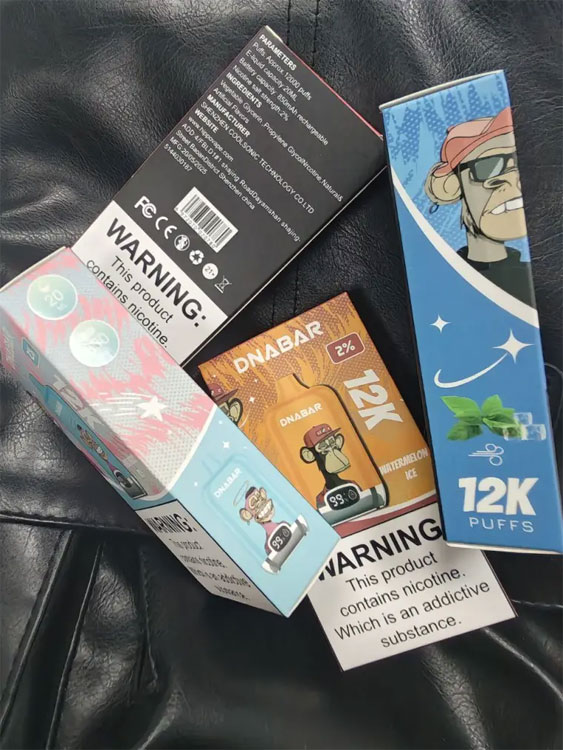 , it’s helpful to separate “total detectable unique compounds” from “compounds at levels of toxicological concern.” Most contemporary studies conclude there are fewer high-risk constituents in e-cigarette aerosol than in combustible cigarette smoke, but the presence of harmful compounds—especially under certain device conditions—warrants caution and quality control.
Factors that increase chemical formation
- High coil temperature and dry wicking: overheating produces more carbonyls and decomposition products.
- Low juice flow or high power: sub-ohm setups pushed hard can elevate thermal breakdown.
- Inferior ingredients or contaminated nicotine: poor manufacturing increases impurities.
- DIY or unregulated flavor concentrates: industrial food-grade does not equal inhalation-safe; some flavor molecules are harmful when heated and inhaled.
How reputable outlets like IBVape Vape Shop address chemical transparency
Responsible vendors take multiple steps to limit unnecessary exposure and provide transparency: they source USP-grade nicotine, use pharmaceutical-grade PG and VG, require certificates of analysis (COAs) from suppliers, and perform or request third-party lab testing on finished products. When asked how many chemicals are in e cigarettes, a reliable supplier will explain that while many minor components can be analytically detected, the company focuses on eliminating contaminants, stabilizing formulations, and providing test data that reports concentrations of known harmful analytes.
Consumer questions vendors should answer
- Are your nicotine and base ingredients tested for impurities (nicotine-related TSNAs, heavy metals)?
- Do you provide batch-specific COAs from independent laboratories?
- What manufacturing standards (GMP, ISO) does your production follow?
- Can you identify flavor chemicals and disclose possible harmful inhalational agents like diacetyl?
When a retailer like IBVape Vape Shop or an online supplier lists lab reports, users can assess compounds and concentrations and make informed choices. Transparency reduces the unknowns in the question how many chemicals are in e cigarettes and shifts focus toward which chemicals are present at meaningful levels.
Practical safety tips to reduce exposure and hazards
Below are practical, actionable recommendations that vape users can adopt immediately to lower the likelihood of elevated chemical formation and other risks:
- Buy from reputable sources: Choose vendors with visible COAs and strong product traceability—this is where IBVape Vape Shop emphasizes quality controls and lab verification.
- Avoid modifying devices beyond manufacturer recommendations: Increasing power or using coils that exceed recommended resistance can create hotter conditions and more thermal byproducts.
- Prime coils and avoid dry hits: Ensure wicks are saturated; burnt cotton produces unpleasant and potentially harmful emissions.
- Use appropriate wattages: Operate devices within the manufacturer’s suggested power range to minimize decomposition of e-liquid components.
- Store e-liquids safely: Keep bottles away from heat and sunlight; maintain sealed containers to limit oxidation and chemical changes.
- Practice battery safety: Use the correct charger, avoid overcharging, do not use damaged batteries, and store batteries properly to prevent shorts and fires.
- Keep e-liquids away from children and pets: Nicotine-containing fluids can cause severe poisoning if ingested or absorbed through skin at certain volumes.
- Avoid DIY nicotine mixing if inexperienced: Nicotine is a toxic substance at concentrated strengths—professionally blended products reduce dosing and contamination errors.
- Choose lower-temperature vaping profiles if possible: MTL (mouth-to-lung) or regulated, low-wattage devices generally produce fewer thermal byproducts than high-wattage direct-lung setups.
- Rotate and replace coils on schedule: Old coils and accumulated residue can change emissions; follow product guidance for replacement intervals.
Child and pet safety: immediate precautions
Accidental exposure to liquid nicotine can be dangerous. If ingestion or skin contact occurs, seek medical attention and contact local poison control. Store e-liquids in child-resistant packaging and label clearly. If your household includes curious children or pets, treat e-liquids as you would medications: out of reach, locked, and never left unattended.
What to watch for on product labels and lab reports
Look for batch numbers, COA links or QR codes, reported nicotine concentration with measurement uncertainty, and tests for heavy metals and carbonyls. A comprehensive lab report should list limits of detection (LOD) and limits of quantitation (LOQ) so the reader understands whether “not detected” implies an absence or a value below the analytical system’s threshold.
Interpreting “how many chemicals are in e cigarettes” in plain terms
Instead of fixating on a single numeric count, consider three practical categories when assessing a product:
- Identified major ingredients: PG, VG, nicotine, and declared flavorings—these are the bulk of most e-liquids.
- Known harmful contaminants at measurable levels: Any detected carbonyls, TSNAs, or metals present above health-relevant thresholds should be noted.
- Trace chemicals detected analytically: Low-level compounds detected by sensitive instruments that may be below toxicological concern—these require context (dose & frequency) to interpret risk.
When IBVape Vape Shop educates customers on how many chemicals are in e cigarettes, the emphasis is on clarity: prioritize measured concentrations of priority toxicants and choose tested, quality-assured products.
How regulators approach chemical risk in e-cigarettes
Regulatory bodies consider presence, concentration, and exposure patterns. Many regulators require manufacturers to submit ingredients and product-level testing data; others ban specific flavoring agents or require child-resistant packaging. These frameworks aim to reduce both chronic chemical exposure and acute safety hazards (e.g., battery incidents or poisoning).
Consumer actions that align with regulatory goals
- Support and purchase from manufacturers who provide COAs and ingredient transparency.
- Report counterfeit or unlabeled products to local regulators.
- Avoid non-compliant, aftermarket modifications or parts that may bypass safety features.
Practical checklist before you vape
Use this quick checklist to minimize risks related to chemical exposure and device safety:
- Buy verified products from trusted retailers like IBVape Vape Shop.
- Verify COA availability and batch testing.
- Install and prime new coils correctly.
- Use recommended charging accessories and follow battery safety best practices.
- Store liquids and spare batteries in secure, labeled containers.
- Prefer regulated devices with temperature control or wattage protection.
Summary: balanced perspective on chemicals and safety
Answering how many chemicals are in e cigarettes requires nuance: analytical chemistry can identify hundreds of molecular species, but the health implications depend on the identity, concentration, and consistency of exposure. Compared to combustible tobacco, many studies find fewer and lower concentrations of certain toxicants in e-cigarette aerosols; nonetheless, avoidable risks exist and responsible sourcing, device stewardship, and consumer education matter. Retailers and manufacturers can reduce uncertainty by providing third-party lab data and following quality standards—an approach championed by reliable shops including IBVape Vape Shop.
Final practical recommendations
For those who choose to vape, take these steps: choose verified products, keep devices maintained, avoid extreme power settings, and safely store all e-liquids and batteries. If you’re concerned about specific chemical exposures, request COAs, consult independent toxicology summaries, and discuss personal health questions with a healthcare provider.
FAQ
Q: Can a vape device produce more harmful chemicals than a cigarette?
A: In most comparative studies, mainstream cigarette smoke contains far higher concentrations of many established toxicants. However, certain vaping conditions (overheating, poor-quality materials) can increase specific thermal byproducts, so good practices and quality products are essential.
Q: Are flavorings safe to inhale?
A: Many flavors are food-safe but haven’t been evaluated for long-term inhalation. Some compounds (such as diacetyl) are problematic when inhaled; transparent vendors will disclose flavoring ingredients and test for known inhalation hazards.
Q: How can I reduce chemical exposure from my device?
A: Use devices at recommended settings, prime and replace coils timely, avoid DIY nicotine handling, choose products with published COAs, and store liquids appropriately—these steps reduce the likelihood of elevated thermal decomposition and contamination.