
Harm reduction approaches for nicotine: practical guidance for people who use inhaled products
This comprehensive guide is written for adults who are exploring structured ways to reduce or stop smoking or vaping nicotine. It focuses on practical quitting strategies, comparisons between Vape approaches and medicinal aids, and a careful review of e cigarettes and nicotine patches so you can make safer, evidence-based choices. The goal is to offer clear, actionable advice rather than a list of slogans — a resource that balances immediate tips for users of vaping devices with longer-term planning using nicotine replacement therapy (NRT).
Understanding nicotine dependence and realistic goals
Nicotine dependence combines biological, behavioral and social components. Nicotine itself is habit-forming, and many people using a Vape device do so for both the stimulant effects and the routine rituals—hand-to-mouth motion, inhalation, and social cues. Effective quitting plans address all of these layers: pharmacology (how much nicotine you consume), ritual replacement (how to replace or modify the habit), and triggers (places, emotions, or people that prompt use). Recognizing this complexity makes it easier to set realistic, incremental targets: reduce strength, reduce frequency, replace certain sessions with alternative behaviors, or transition to a structured NRT like a patch.
Comparing delivery systems: inhaled devices vs transdermal patches
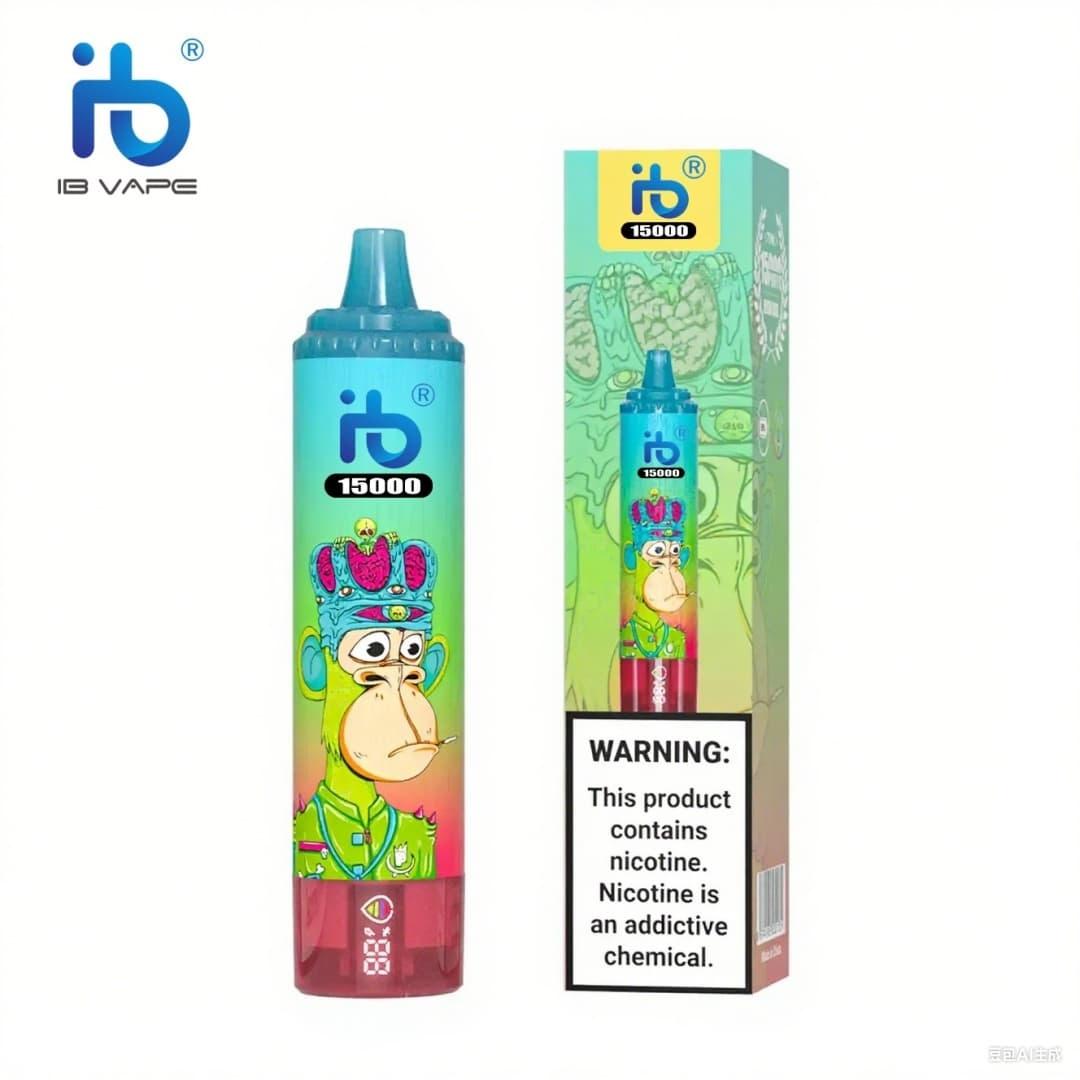 Vape quitting strategies and Vape user tips comparing e cigarettes and nicotine patches for safer nicotine replacement” />
How inhaled nicotine works
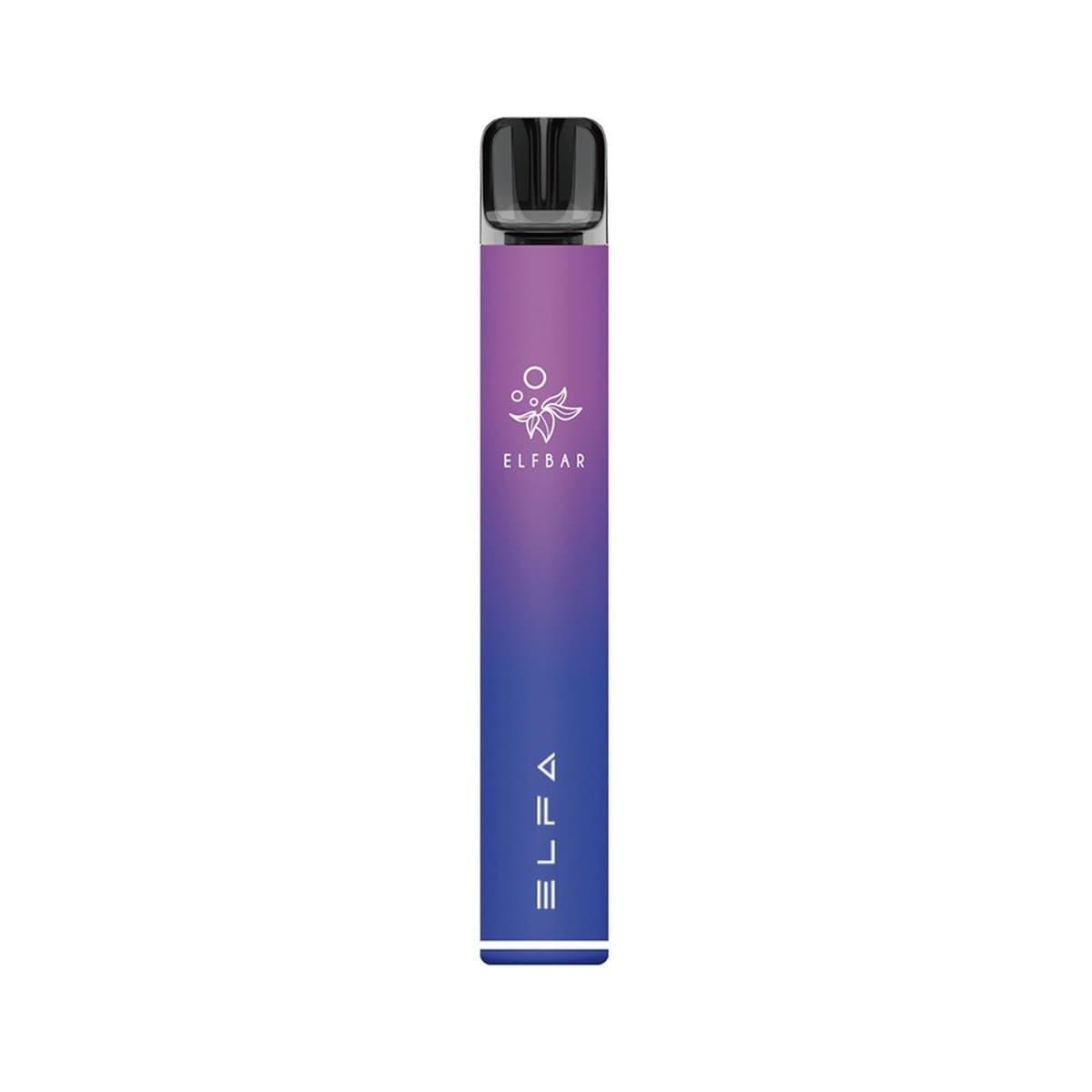
Vaping and other inhaled nicotine delivery systems deliver nicotine rapidly to the brain, mimicking the speed and intensity of cigarette smoking. The fast pharmacokinetics reinforce habit loops. Many users prefer e-cigarettes for the immediate satisfaction, which can make abrupt quitting difficult. However, for smokers who have not been able to quit with nil or slower methods, switching to a less harmful inhaled product may reduce exposure to combustion products that cause most smoking-related disease.
How transdermal nicotine patches work
Nicotine patches deliver nicotine slowly and steadily through the skin, maintaining a baseline plasma level that helps blunt withdrawal symptoms and cravings without the peaks associated with inhalation. Patches are regulated medicinal products with well-characterized dosing schedules. They are often recommended for people aiming to quit entirely because they detach nicotine from the behavioral aspects of smoking or vaping. e cigarettes and nicotine patches serve different functions: one substitutes the act and speed of nicotine delivery, the other provides a controlled pharmacological baseline to reduce withdrawal.
Safety and harm reduction considerations
When assessing safety, think in relative terms. For current smokers, switching entirely to combustion-free options has been shown in multiple studies to reduce exposure to many toxicants. Nonetheless, inhaled aerosol products are not risk-free and may contain other constituents with uncertain long-term effects. Nicotine patches are a lower-risk medicinal route because they avoid inhalation entirely and do not produce aerosolized flavors or additives that can irritate airways.
Key safety points to consider: use regulated devices and quality-controlled nicotine replacement products, avoid unregulated e-liquids with unknown additives, follow dosing instructions for patches, and consult with healthcare professionals when combining therapies or when you have chronic conditions like heart disease or pregnancy. Emphasizing reduced harm does not equate to endorsing continued nicotine use forever; it is about pragmatic pathways to reduce risk and eventually stop nicotine altogether.
Practical quitting strategies: stepwise plans for different goals
Whether your aim is immediate cessation, gradual reduction, or substitution, create a written plan that includes clear milestones, data on your baseline usage, and coping strategies for cravings. Here are evidence-informed approaches tailored to common goals.
1. Gradual transition from high-strength inhalation to lower-strength e-liquids
- Track your current nicotine concentration and daily puffing patterns for 1 week.
- Reduce concentration in small steps (e.g., from 12 mg/mL to 9 mg/mL) over 1-2 weeks while monitoring cravings.
- Use a set schedule to limit sessions (for example, only vaping after meals or during specific hours) to break the link between triggers and use.
2. Replace some vaping sessions with short-acting NRT plus behavioral replacements
- When triggers strike, use a lozenge or gum instead of a Vape hit to practice craving management without inhalation.
- Combine short-acting NRT with patches where appropriate: the patch provides baseline control while gum or lozenges handle breakthrough cravings.
3. Full switch to a medically guided NRT program
- Discuss with a clinician whether you can start a nicotine patch regimen. Typical plans step down the patch dose over 8–12 weeks depending on initial nicotine dependence.
- Consider behavioral counseling or digital support programs alongside patches to address the habit component.
Using nicotine patches effectively
When using a patch, apply it to clean, dry, hairless skin and rotate sites daily to reduce irritation. Be mindful of dose selection: those using high levels of inhaled nicotine may need a higher starting patch strength initially; under-dosing can result in failure due to persistent withdrawal. Follow manufacturer guidance and, if needed, combine with short-acting NRT in the early phase. Monitor for common side effects such as skin irritation, vivid dreams (if worn overnight), or dizziness—most of which are manageable and often transient.
Tips specifically for current Vape users who want to quit
- Audit your pattern: note times, situations, and emotions tied to vaping. Identify two “easy wins” you can remove immediately (for example, no devices in the bedroom or during work hours).
- Prepare substitutions: have sugar-free gum, mints, or a water bottle available to replace hand-to-mouth behavior when cravings arise.
- Set a clear quit date or reduction milestones. Some people prefer an immediate cut-off; others prefer a taper. Both can work if combined with support and accountability.
- Use device settings strategically: reduce wattage or puff duration and avoid flavors linked to prolonged sessions.
- Swap to non-nicotine flavored e-liquids briefly to separate taste cues from nicotine, then taper nicotine concentration before stopping.
Combining methods: when mixing e-cigarettes and nicotine patches may make sense
Some programs recommend combining a patch with a short-acting product (like gum, lozenges, or even temporary supervised inhaled products) for people with high dependence. This combination provides steady nicotine to reduce baseline withdrawal and fast-acting relief for acute cravings. If choosing to combine, do so with clinical advice and monitor for signs of excessive nicotine exposure, such as nausea, palpitations, or headaches. Combining therapies is commonly used in tobacco cessation protocols and can increase success rates for certain people.
Behavioral supports and digital tools that help
NRT and substitution strategies work best when paired with behavioral interventions. Cognitive-behavioral approaches, motivational interviewing, and habit-reversal techniques all bolster the pharmacological benefits. Use apps that track progress, join peer support groups, or seek brief counseling. Even simple cognitive reframing—reminding yourself of a short list of personal reasons to cut down or quit—can be effective during acute cravings.
Common myths and how to address them
Myth: “Switching to any inhaled product is as bad as smoking.” Reality: While not risk-free, many non-combustion inhaled products eliminate most combustion toxins; the risk profile differs substantially from cigarette smoke. Myth: “Patches are weak and won’t satisfy me.” Reality: Patches reduce withdrawal, and when combined with short-acting NRT they can adequately support many people. Myth: “Quitting must be cold turkey.” Reality: Incremental reduction offers a valid path and may be more sustainable for some individuals when combined with structured support.
Monitoring progress and adjusting your plan
Keep a consumption diary for 1–3 months while you reduce: record nicotine concentration, sessions per day, mood, triggers, and withdrawal symptoms. Use this data to adjust your patch dose or step-down schedule. If you’re struggling, consult a healthcare provider for personalized advice, or consider a structured cessation program. Celebrate small wins to maintain motivation—reducing the number of daily sessions or replacing evening vaping with a walk are important milestones.
When to seek professional help
Seek medical advice if you have cardiovascular disease, are pregnant or breastfeeding, are using other medications that may interact with NRT, or if withdrawal symptoms are severe and unmanageable. Many clinics and quitlines offer evidence-based support tailored to dual users of vaping and medicinal NRT.
How family and friends can support a quit attempt
Practical support includes removing vaping paraphernalia, offering help to distract during cravings, and reinforcing progress without judgment. Avoid moralizing language; instead, provide positive reinforcement and help the person access resources like patches, counseling, and credible online information.
Key takeaways
Both inhaled nicotine delivery methods and transdermal patches have roles in reducing harm and supporting cessation. Vape products can reduce exposure to combustible toxicants for adult smokers who switch completely, while medically approved e cigarettes and nicotine patches—particularly patches—are useful tools for managing withdrawal and planning a structured quit attempt. The optimal path depends on individual history, levels of addiction, medical conditions, and personal preferences. Combining behavioral support with pharmacotherapy yields the best outcomes.
Practical checklist before you begin
- Decide on an initial goal: reduction or stop date.
- Record baseline usage.
- Choose whether to use patches, reduce e-liquid strength, or combine methods.
- Arrange behavioral supports: app, friend, counselor.
- Prepare substitutions for rituals and identify high-risk situations.
Frequently asked questions
- Can I use a nicotine patch and still use a Vape?
- Yes, many clinicians recommend combining a patch with short-acting NRT or using a patch while you taper vaping; do so under guidance if you have medical conditions. The patch provides a steady dose while short-acting options address sudden cravings.
- Are nicotine patches safer than vaping long-term?
- Patches avoid inhalation and aerosol exposure, which reduces respiratory and toxin risks, so they are generally considered lower-risk from a harm perspective. However, the best safety outcome is eventual nicotine cessation when feasible.
- How long should I stay on a patch?
- Typical programs run 8–12 weeks with step-down dosing, but some people require longer. Follow manufacturer or clinician guidance tailored to dependence levels.
- Will switching to lower nicotine e-liquids help me quit?
- Yes, gradual reduction of nicotine concentration can decrease dependence for some users, especially when combined with behavioral strategies and monitoring. However, it can prolong the habit for others, so pair reduction with a time-bound plan and supports.
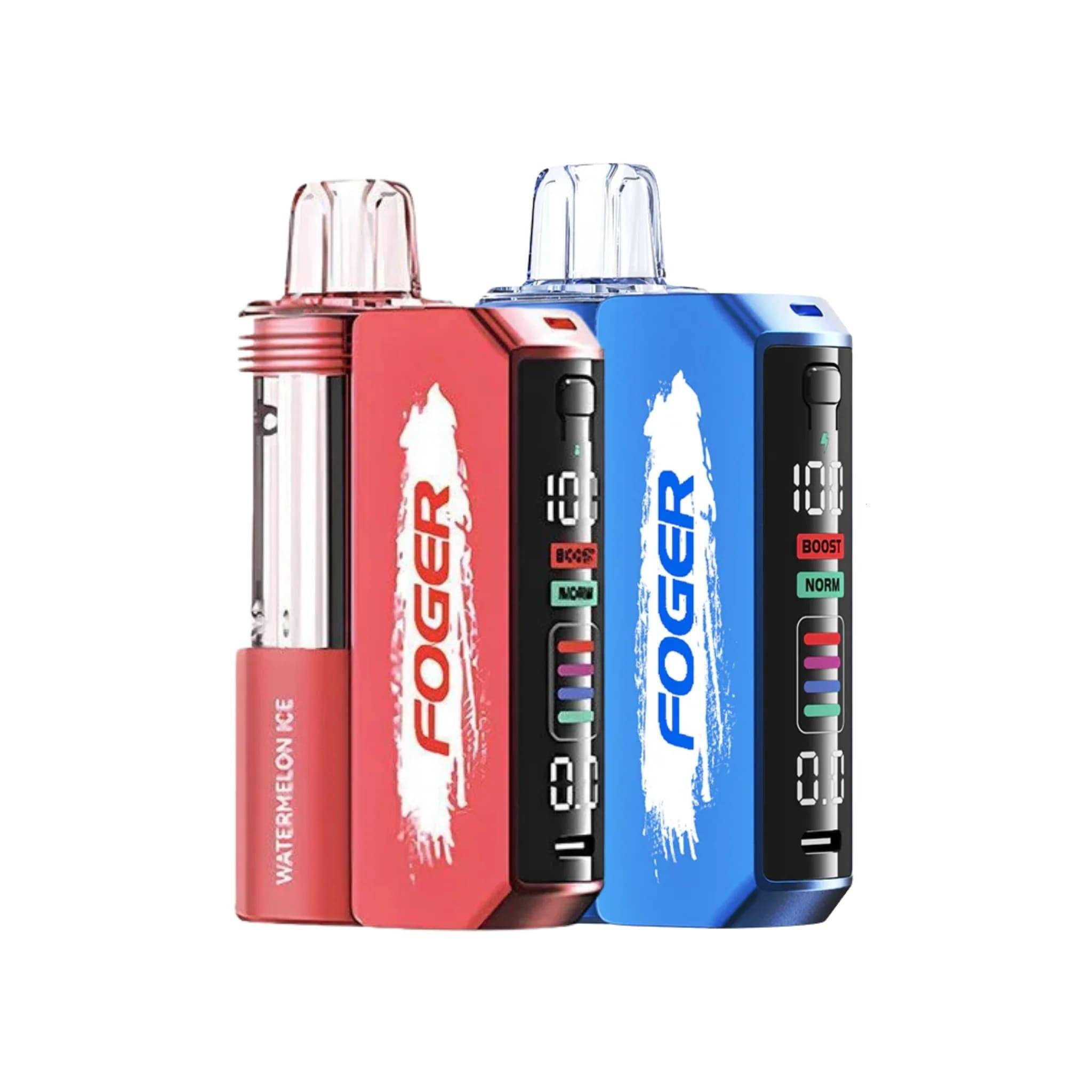
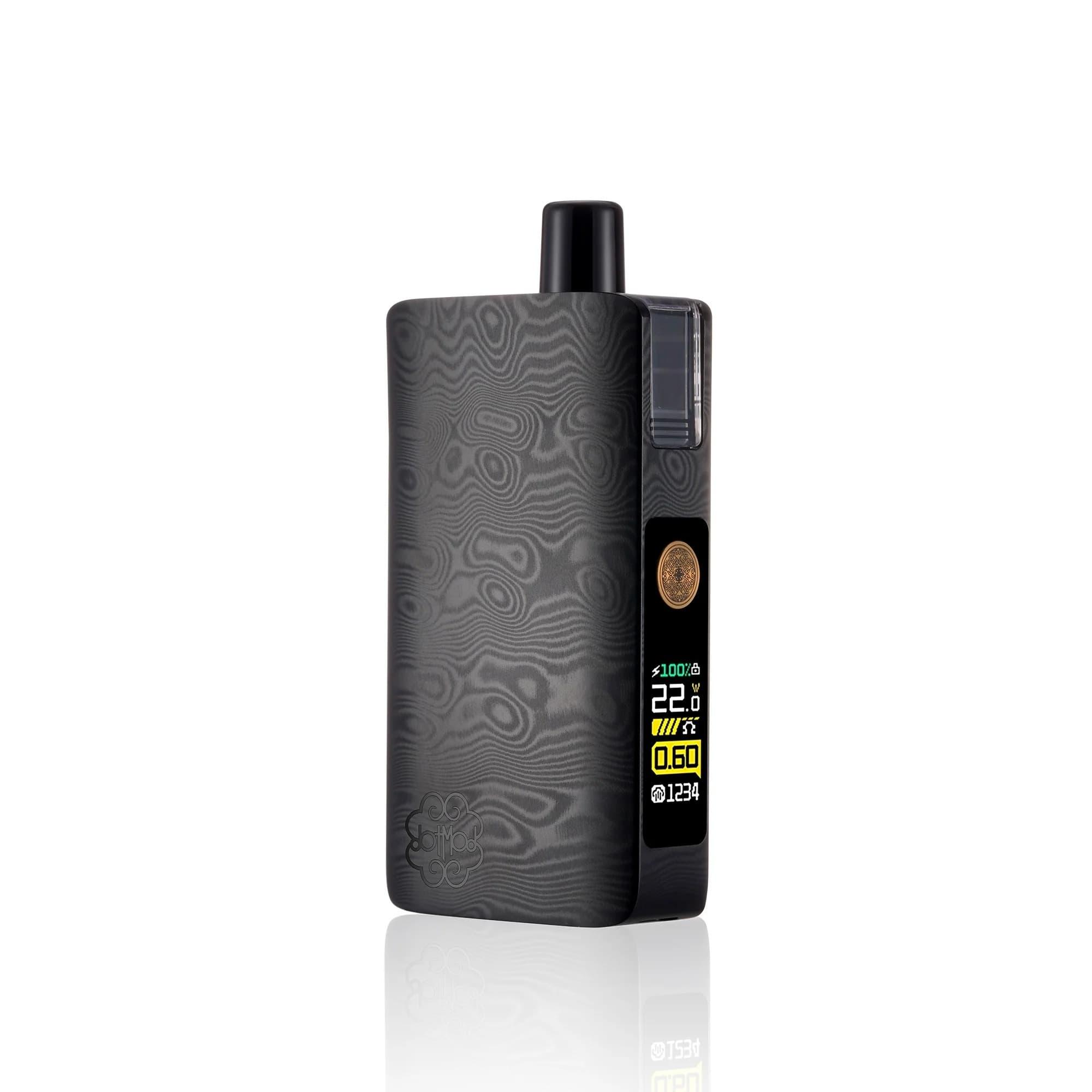
For tailored advice, consult a healthcare professional; for immediate support, national quitlines and reputable health websites provide free tools and counseling. Reducing harm is a process: aim for steady progress, combine pharmacological and behavioral strategies, and choose regulated products when possible to minimize risk and maximize chances of successfully moving away from nicotine dependence.