
Understanding modern vaping: a clear primer for thoughtful buyers
If you’re researching alternatives and want honest, evidence-based information about e-cigarette products, this long-form guide walks you through ingredients, components, safety considerations and practical shopping advice for the health-conscious consumer. We avoid jargon where possible, explain the science behind common materials, and highlight how to evaluate products so you can decide with confidence.
What are these devices and why people use them
Vaping devices come in many shapes and sizes, from simple disposable models to advanced refillable systems. Many shoppers ask two central SEO-friendly questions that help focus research: e-zigaretten and what is in an e-cigarette. These phrases capture both the product category and the curiosity about composition — both critical to making an informed choice.
Basic device anatomy
- Battery
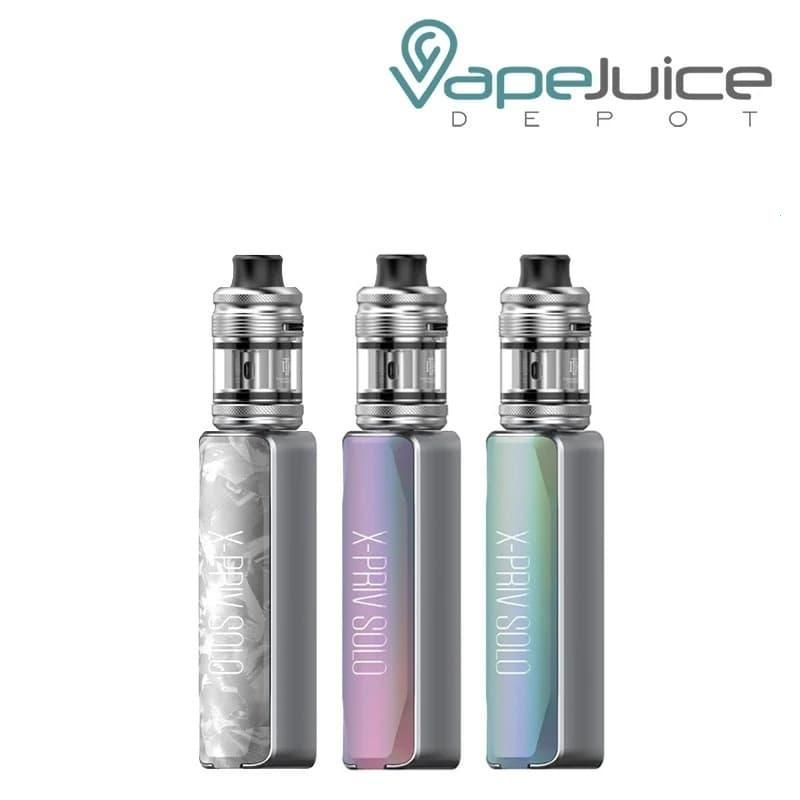 — powers the heating element; quality and safety standards matter.
 - Atomizer/coil — converts e-liquid into aerosol by heating.
- Reservoir or pod/tank — contains the e-liquid (also called e-juice), which is a mixture of base liquids, nicotine (optional), and flavorings.
- Mouthpiece (drip tip) — user interface; material can be plastic, metal, ceramic or glass.
Core ingredients: what you’ll commonly find
When people google what is in an e-cigarette, they usually want to know about the liquid and any residues that might affect health. The most common constituents of e-liquids are:
- Propylene glycol (PG) — a synthetic liquid used as a carrier and flavor enhancer; thin consistency; provides throat hit.
- Vegetable glycerin (VG) — a thicker, food-grade liquid producing more visible vapor; smoother inhale.
- Nicotine — optional; occurs in multiple concentrations and forms (freebase or nicotine salts).
- Flavorings — food-grade aroma compounds; profiles range from tobacco and menthol to baked goods, fruit, and dessert notes.
- Minor additives — acids (for nicotine salts), sweeteners, cooling agents, preservatives; some appear in low concentrations.
Note: PG and VG are widely used in food and pharmaceuticals; they are not inert when heated and inhaled, and their behavior differs from ingestion. That difference is central to ongoing research and regulatory focus.
Nicotine explained for buyers
Nicotine is a naturally occurring alkaloid in the tobacco plant. If present in e-liquids, it is typically labeled in milligrams per milliliter or as a percentage. Nicotine strength choices may range from 0 mg (nicotine-free) to high concentrations often found in pod systems and some disposables. Nicotine can be delivered in two main chemical formats: freebase nicotine, which can feel harsher at higher strengths, and nicotine salts, which allow higher nicotine levels with less throat irritation.
Materials used in hardware and why they matter
Device components can include stainless steel, aluminum, zinc alloys, plated metals, ceramic, glass or food-grade silicone. Coil wire materials are commonly kanthal (iron-chromium-aluminium), nickel, titanium or stainless steel. Each metal has distinct heating properties and safety considerations: for example, nickel and titanium are used with temperature control systems only, while kanthal is preferred for its stability. Ceramic components can reduce hot spots and provide neutral flavor but may be brittle. Glass tanks minimize leaching of flavor compounds but can break more easily than plastic.
What scientific studies say (concise overview)
Research has examined short- and medium-term exposures to e-cigarette aerosol compared with mainstream cigarette smoke. Key takeaways for conscientious shoppers:
- Combustion produces far more known toxicants than vaping; switching completely from smoking to vaping typically lowers exposure to many harmful compounds.
- E-cigarette aerosol is not simply “harmless water vapor”; it can contain aldehydes, volatile organic compounds, metals and particulate matter depending on device settings and liquid composition.
- High-temperature operation, dry coils, or poor-quality materials can increase formation of byproducts such as formaldehyde or metal particles.
Therefore, device design, liquid composition and user behavior (puff duration, power settings) are major determinants of exposure.
Key risk factors and how to reduce them
Health-conscious buyers can reduce potential risks by following practical strategies:
- Choose reputable brands with transparent ingredient lists and third-party lab testing for e-liquids.
- Avoid homemade mixes from unknown sources and liquids with suspicious additives or unlabeled components.
- Use regulated batteries and devices with overheat/overcharge protections.
- Operate within recommended wattage ranges for coils, and avoid “chain vaping” at extreme settings that can cause overheating.
- Prefer refillable systems where you can monitor liquid quality rather than unknown disposable products.
Understanding labels and certificates
Look for independent lab reports showing measurements for nicotine concentration, presence of contaminants such as heavy metals, and verification of flavoring components. Certificates of analysis (CoA) help confirm what is actually in a product versus what’s on marketing copy.
How flavors are made and safety considerations
Food-grade flavorings are often used in e-liquids, but inhalation safety is not the same as ingestion safety. Some flavoring compounds, like diacetyl (linked to bronchiolitis obliterans in occupational exposures), have raised concerns. Even when flavors are “generally recognized as safe” (GRAS) for food use, inhalation may pose different risks. Health-aware shoppers should prioritize products that publish lab results and avoid flavors where problematic compounds have been reported or suspected.
What about devices labeled as “nicotine-free” or “herbal”
Nicotine-free e-liquids still produce aerosol containing PG, VG and flavorings; the absence of nicotine reduces addiction risk but does not eliminate inhalation exposure to other constituents. “Herbal” or “natural” claims require skepticism: natural origin does not guarantee safety when inhaled.
Practical shopping checklist for the cautious consumer
- Transparency: clear ingredient lists and accessible lab reports.
- Build quality: robust battery protection, sealed tanks, reliable connections.
- Reputation: verified retailer, positive independent reviews, good customer service.
- Replaceable consumables: easy coil/pod replacement to avoid burnt tastes and unknown residues.
- Warranty and safety information: manufacturer support and clear safety guidance.
Comparing device categories
For clarity, here are typical categories and trade-offs:
- Disposable single-use units — convenient, often higher nicotine salts concentrations, limited transparency on ingredients and waste concerns.
- Pod systems — compact, refillable pods or cartridges; good for nicotine salts consumers and moderate flavor control.
- Refillable vape pens/tanks — flexible, better flavor and cloud control; require more maintenance and user knowledge on coil resistance and wattage.
- Advanced personal vaporizers (mods)
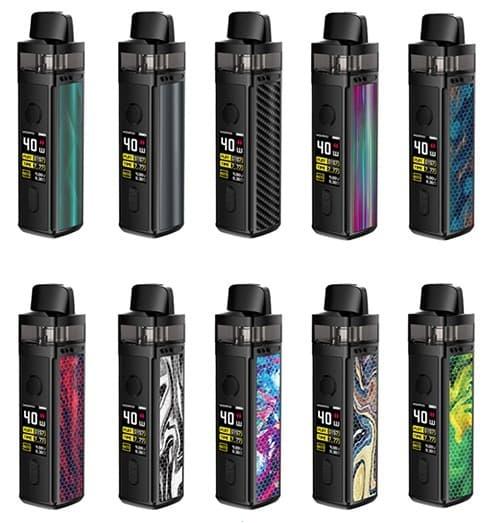 — high customization for experienced users; greater responsibility to operate safely.
Maintenance, cleaning and coil care
Replacing coils regularly, keeping tanks clean, and using the correct wicking materials reduces risks such as burnt cotton flavors and overheating. Rinsing tanks with warm water, drying components thoroughly, and priming new coils with a few drops of e-liquid are basic steps to extend device life and maintain safer operation.
Environmental and disposal considerations
Disposable devices contribute to battery and plastic waste. Health-conscious shoppers may prefer refillable systems and participate in manufacturer or retailer take-back programs for batteries and cartridges to reduce environmental impact.
Navigating regulations and product standards
Regulatory frameworks vary by country and region. In many jurisdictions, rules govern labeling, ingredient disclosure, product testing and age restrictions. Understanding local laws can guide safer purchasing and help avoid illicit or counterfeit products that might lack quality controls.
How to assess product claims and marketing
Marketing may emphasize “cleaner,” “safer,” or “tobacco-free” to attract buyers. For a skeptical, health-focused approach, ask for evidence: lab testing, published ingredient lists, and independent reviews. Avoid products that rely solely on buzzwords without substantiation.
Common myths and evidence-based clarifications
- Myth: “Vaping is harmless.” Clarification: While it often exposes users to fewer toxins than cigarette smoke, aerosol contains compounds that are not inert when inhaled.
- Myth: “All e-liquids are the same.” Clarification: Quality, ingredients and manufacturing standards vary substantially.
- Myth: “Flavorings are safe because they are food-grade.” Clarification: Inhalation risks differ from ingestion; some compounds of concern have been identified in certain flavor mixes.
Personalized decisions: nicotine, cessation, and harm reduction
If your objective is to reduce harm from combustible tobacco, switching to lower-risk alternatives may be part of a strategy, but it is best done with medical advice, especially for those with cardiovascular or respiratory conditions. Nicotine is addictive; many users eventually reduce or eliminate nicotine when using well-structured plans or seek cessation support.
Questions to ask your retailer
Before purchasing, ask: Do you provide lab reports for your liquids? What materials are used in the coil and mouthpiece? Do you have recommended wattage ranges? Is there a return policy if the product is defective? Responsible retailers should give straightforward answers.
 e-zigaretten and what is in an e-cigarette for health conscious shoppers” />
Quick glossary for shoppers
- PG (propylene glycol)
- Carrier liquid, thin, more throat sensation.
- VG (vegetable glycerin)
- Thicker, sweeter, creates larger vapor clouds.
- Nicotine salts
- A form that delivers nicotine smoothly at higher concentrations.
- Coil resistance
- Measured in ohms; affects temperature and aerosol production.
Making a purchase decision: step-by-step
- Define your goal: nicotine replacement, nicotine-free experience, or recreational flavor exploration.
- Research reputable brands and verify lab data.
- Choose a device category that matches your skill level and maintenance willingness.
- Start with moderate nicotine if using nicotine; adjust down over time as desired.
- Learn basic maintenance to avoid avoidable degradation and exposure risks.
As a final practical note: keep batteries in their original packaging until use, store e-liquids in cool, dark places away from children and pets, and avoid mixing liquids unless you understand concentration math. If a unit becomes unusually hot, stops working properly, or produces a burnt taste, discontinue use and inspect the device.
Summary: a balanced, cautious approach
For health-conscious shoppers, the crux is transparency, quality control and personal risk assessment. Focus on manufacturers that publish lab results, use safe materials and offer clear instructions. Recognize that while many switchers reduce exposure to numerous toxicants relative to smoking combustible tobacco, vaping is not risk-free and long-term effects are still being researched. Thoughtful choices, proper use and regular maintenance reduce avoidable harms and increase the likelihood of a satisfactory experience.
Further resources
Look for peer-reviewed reviews, national public health agency guidance, and independent testing organizations when gathering deeper evidence.
Frequently asked questions
A: No. While many reputable producers provide certificates of analysis, the market includes unregulated offerings. Always request independent lab data when possible.
A: Yes. High temperatures and dry coils can increase the formation of aldehydes and other byproducts. Operating within manufacturer-recommended power ranges helps minimize this risk.
A: Refillable systems typically allow better ingredient transparency and reduce single-use waste, but they require responsible maintenance and sourcing of quality e-liquids.
A: Start with a lower-to-moderate level if you are unsure; many users reduce strength over time. Consider device type: pod systems often use nicotine salts at lower volumes, while tanks may be used with lower-strength freebase nicotine.