
IBVape e-cigarette travel guidance: carry-on rules, safe packing and airport screening explained
Traveling with a personal vaporizer raises a lot of questions, from what goes in your checked baggage to exactly how to answer security officers when asked whether can you take a ecig on a plane. This comprehensive guide is written to help frequent flyers and occasional travelers make informed decisions about transporting an IBVape e-cigarette and accessories, to reduce delays, avoid confiscations, and stay within airline and aviation safety rules. The content below organizes practical tips, international considerations, safety best practices and a portable packing checklist that you can adapt to your trip.
Quick summary: can you bring an e-cig?
Short answer: in most cases you can carry an electronic cigarette and spare batteries in your carry-on luggage, but you cannot use them on the aircraft, and rules vary by airline and country. Airport security and airline policies focus on battery safety and flammable liquids in tanks or cartridges. Before you travel, verify both the destination country’s laws and your specific carrier’s policy regarding e-cigarettes and vaping devices.
Legal and regulatory context
Several aviation authorities issue guidance that shapes airport checkpoints and airline rules. The Federal Aviation Administration (FAA) and Transportation Security Administration (TSA) in the United States, the European Union Aviation Safety Agency (EASA), and comparable authorities worldwide emphasize that lithium batteries present fire risks, so they require devices with lithium-ion cells to be transported in carry-on luggage with terminals protected. Many countries also legislate nicotine-containing liquids and concentrations, labeling requirements, or import bans—always check local law before departure.
 IBVape e-cigarette travel FAQ — can you take a ecig on a plane and what to pack” />
Key principles to remember
- Keep devices and spare batteries in carry-on bags, not checked luggage.
- Power off devices completely and protect them from accidental activation.
- Pack e-liquids within airline liquid limits when in containers and store them in a clear, resealable bag if requested by screening rules.
- Do not use vaping devices on board — this is prohibited and may result in fines or other penalties.
Packing checklist for an IBVape e-cigarette
Use this checklist to prepare for security screening and to minimize the chance of confiscation or delay:
- Device: one powered unit disassembled or powered down, mouthpiece capped.
- Spare batteries: each battery individually protected (battery cases or taped terminals).
- Chargers: bring the USB or charging cable in carry-on; do not leave chargers connected to devices when storing them in your bag.
- E-liquids/Pods/Cartridges: bottles and pods inside the allowed liquid-volume bag if required; check nicotine transport limits for your destination.
- Case: a sturdy travel case to prevent crushing or accidental activation.
- Receipt and manufacturer documentation: helpful proof of purchase or device specifications when questioned.
Battery safety and storage
Battery-related incidents are one of the main drivers for strict regulations. Lithium-ion batteries should be carried in your cabin baggage and never packed in checked luggage due to potential thermal runaway. For batteries that are removable, take them out and store each battery in a separate protective sleeve or plastic case to prevent short circuits. If a battery has visible damage, do not travel with it—replace it. Airlines often limit the watt-hour rating for spare batteries; typical consumer e-cig batteries are allowed but exceptions may apply for larger external battery packs.
Dealing with liquids and nicotine strengths
Nicotine-containing e-liquids are subject to the same carry-on liquid rules as other liquids at many airports: containers of 100 ml (3.4 oz) or less, placed in a single transparent resealable bag no larger than 1 liter for U.S. and EU screening lanes. Some countries restrict the nicotine concentration permitted for import, require special labeling, or ban nicotine liquids entirely. If traveling internationally, research nicotine regulations at your destination and any countries you transit through. Consider carrying nicotine-free replacement pods if you are unsure about legality.
At the security checkpoint
Be proactive and organized when approaching security. Place your IBVape e-cigarette, spare batteries and liquids in an easily accessible compartment of your carry-on or a separate small bag within the carry-on. When asked, declare the batteries and demonstrate they are powered off. Most security officers will simply scan the items and allow them through when packed correctly. Avoid surprises by keeping these items visible during inspection.
In-flight rules and etiquette
Using an e-cigarette while airborne is strictly forbidden by virtually all commercial carriers. In addition to being a legal violation, attempting to vape inflight can trigger smoke detectors and emergency responses. If cabin crew suspect misuse, they may impose penalties, fines, or on rare occasions, involve law enforcement. Respect no-vaping rules and consider nicotine alternatives such as patches or gum during long flights.
International travel and customs considerations
When crossing borders, customs agents may treat e-liquids as controlled substances or consumer goods requiring declaration. Always check import restrictions and allow for the possibility of confiscation. Some nations prohibit certain flavored e-liquids or nicotine altogether and impose compliance standards for packaging, child-resistant closures and ingredient lists. If you are traveling to a country with strict rules, consider purchasing compatible non-nicotine pods locally or not traveling with e-liquids at all.
Practical packing strategies
Layer your carry-on so that vaping supplies are easily removed for inspection: a small dedicated pouch or hard case for the IBVape e-cigarette and accessories helps. Use a travel organizer with clear compartments for batteries, spare parts, and liquids. Protect atomizers and glass tanks with neoprene sleeves or sponge inserts. If your device has proprietary cartridges, keep sealed spares in original packaging to avoid leaks and to show proof of contents if asked.
What to do if your device is confiscated
If an item is confiscated by security or customs, remain calm and request written documentation if possible. Ask whether the item can be reclaimed at the airport exit or returned by mail. For international separations, be prepared for irreversible confiscation of devices or consumables in some jurisdictions. To reduce the risk of loss, avoid carrying items that you cannot afford to lose or that may not be permitted at your destination.
Common mistakes travelers make
- Packing spare batteries in checked luggage — never do this.
- Carrying large quantities of e-liquid without researching import laws.
- Using devices on board or attempting to charge them at seat power outlets despite policy prohibitions.
- Failing to protect battery terminals so they can short against metal objects.
Checklist before you depart
Run through this quick pre-departure list the day before you fly: ensure batteries are charged but not attached to the device, place e-liquids in the correct 100 ml containers, pack a protective case, keep the device accessible, and confirm airline policies regarding electronic cigarettes. Also check weather conditions—extreme temperatures in checked baggage compartments can stress batteries and increase risk, another reason to keep batteries with you.
Special notes for longer trips and connecting flights
On multi-leg trips, verify connecting airports’ policies and local laws. Some airports have stricter rules than others, and a device allowed through one country’s checkpoint might be confiscated in another. If you plan to purchase e-liquids or equipment abroad, buy from reputable stores that can advise on local compatibility and labeling to avoid prohibited ingredients or unsafe counterfeit products.
Tips for minimizing inspection delay
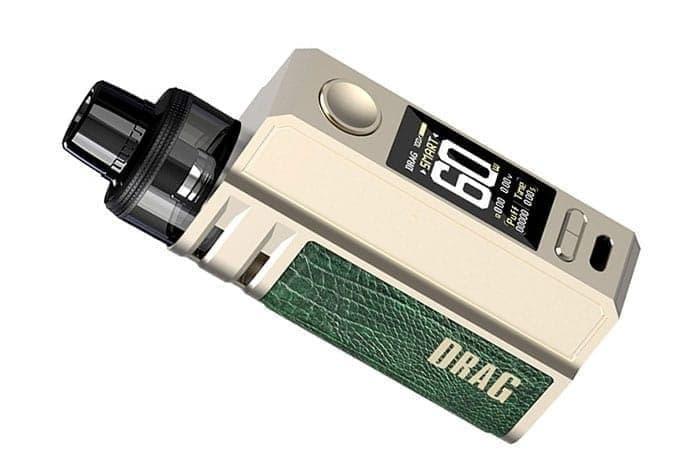
- Store e-cigarette gear in a clear, labeled travel pouch so security can quickly inspect and return it.
- Keep receipts or manufacturer info for unusual devices.
- Use original packaging for replacement coils or pods to show purpose and contents.
Manufacturer tips for preservation and safety
Properly maintain your IBVape e-cigarette before travel: empty tanks if possible to avoid leaks, clean the mouthpiece and threading to prevent sticky residues, and ensure firmware—if applicable—is up to date. Carry a small cleaning kit and replacement seals to manage minor leaks during travel.
Sample packing list (compact)
- 1 x IBVape e-cigarette in protective case
- 2–4 x spare batteries in protective covers
- 1 x USB charging cable (loose)
- 2–4 x pods or small bottles of e-liquid in 100 ml containers or compliant sizes
- Small bottle of nicotine-free liquid as backup
- Cleaning wipes and a tiny toolkit for coil changes
When to contact your airline or airport
If you are unsure about specific policies—for example, when traveling with large external battery packs, custom mods, or a greater-than-usual number of spare batteries—contact the airline’s customer service in advance. When in doubt, ask the airport’s information desk about local rules. Confirm whether seat-back power outlets allow charging of e-cigarettes; many airlines prohibit it regardless of outlet availability.

Alternative nicotine strategies for travel
On long-haul flights or travel through countries with strict vape regulations, plan alternatives: nicotine replacement therapy (NRT), brief inhalers (where permitted), or pre-loading a smaller number of disposable pods that meet airline and customs restrictions.
Final travel-ready reminders
Remember the three golden rules: keep IBVape e-cigarette gear in your carry-on, protect batteries and terminals, and never use your device in-flight. Respect both airline and local jurisdiction rules to avoid penalties and to ensure a smooth trip. Preparation, compliant packing, and a respectful approach to other passengers and airport staff will help your journey remain interruption-free.
More resources
For the latest, consult official aviation authority pages and your airline’s published rules. Local embassies or consulates can also confirm national importation or use restrictions for nicotine and devices.
FAQ
Q1: Can you put an e-cigarette in checked luggage?
No. Most aviation authorities require e-cigarettes and spare lithium batteries to be carried in cabin baggage only. Checked baggage exposes batteries to conditions that can lead to thermal incidents and is generally prohibited for spare lithium batteries.
Q2: How many e-cigarette batteries can I bring?
Limits vary by airline, but for personal use expect to carry a small number of spare batteries. Ensure each battery is individually protected and under the airline’s watt-hour limits. Contact your airline for specific limits if you carry multiple external battery packs.
Q3: Is vaping allowed on international flights?
Using an e-cigarette on board is prohibited by the vast majority of carriers worldwide. This includes use in lavatories and seat areas—do not attempt it. Violations can lead to fines or criminal charges on some carriers.
By following these guidelines, you can travel confidently with your device. Remember to verify requirements for each flight and destination, and prioritize safety and legal compliance over convenience. Safe travels and smart packing.