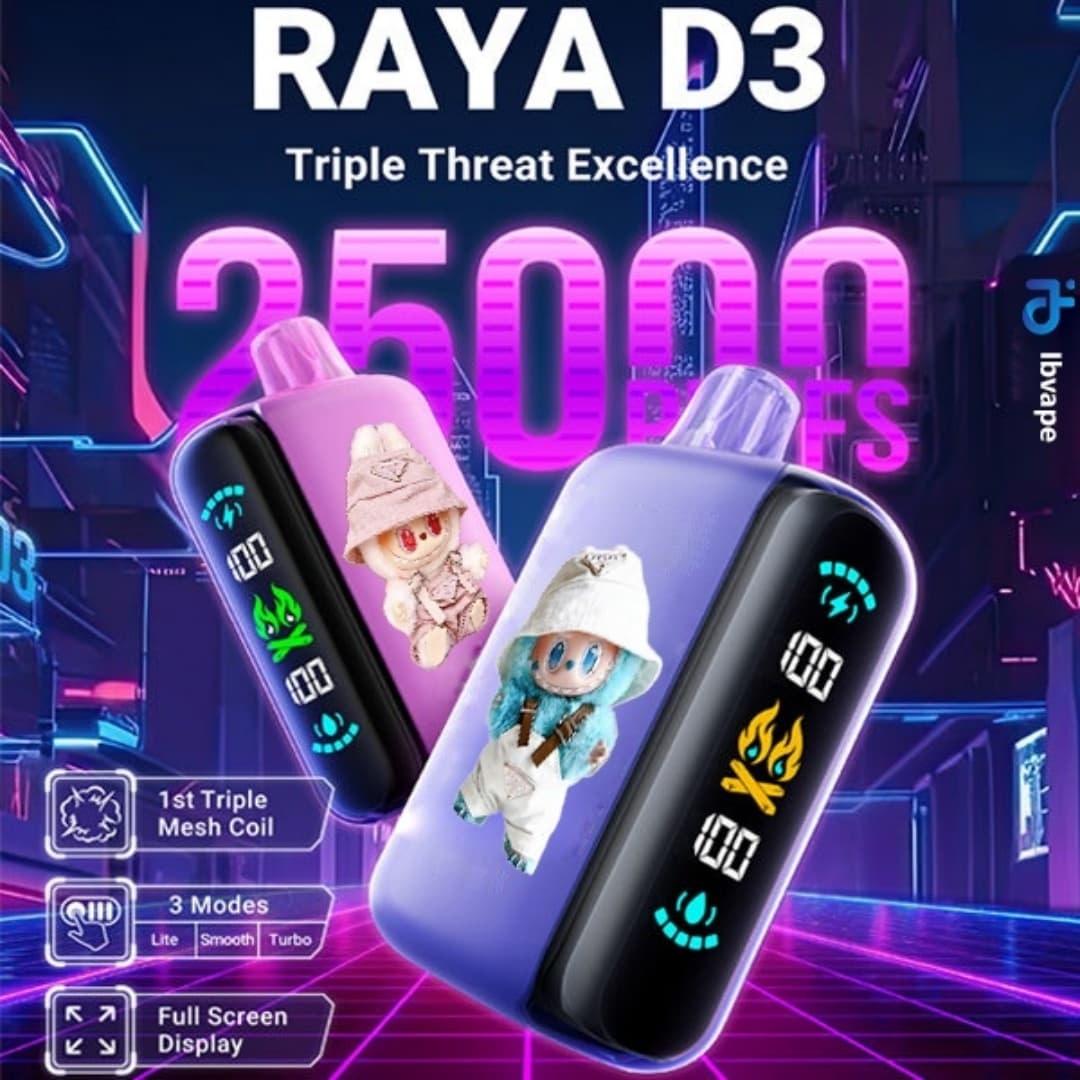
Practical pathway from tobacco to vapor: a helpful roadmap
If you’re exploring alternatives to combustible cigarettes, a consumer-friendly approach from Dampfer Shop offers real-world guidance on using e-cigarettes and smoking cessation tools in a safe, intentional way. This long-form guide synthesizes expert tips, product recommendations, behavioral techniques, device basics, and inspiring success stories so you can plan a quitting journey that fits your routine and health goals. It is practical, evidence-aware and brand-aware without being promotional; the goal is to help a smoker make informed choices about vapor-based cessation options.
Below you’ll find a structured, step-by-step resource that balances science-backed advice with hands-on tips and curated product categories to consider from trusted retailers. Whether you’re a first-time vaper or a more experienced user seeking a reliable cessation plan, use this guide to create a personalized transition strategy that leans on gradual reduction, habit replacement, and support systems.
Why some smokers choose Dampfer Shop-style solutions
People switch for many reasons: health concerns, social factors, cost, or simply the desire to stop burning tobacco. Popular interest in e-cigarettes and smoking cessation arises because modern vaping products can deliver nicotine with fewer harmful combustion byproducts than traditional cigarettes. That said, no nicotine product is risk-free; cessation success is best supported by clear goals, accurate product selection, and structured behavioral change.
Core principles for a successful switch
- Set a quit objective: Decide if your plan is complete cessation of nicotine, stepping down nicotine over time, or long-term use of a less harmful delivery system.
- Choose the right device:
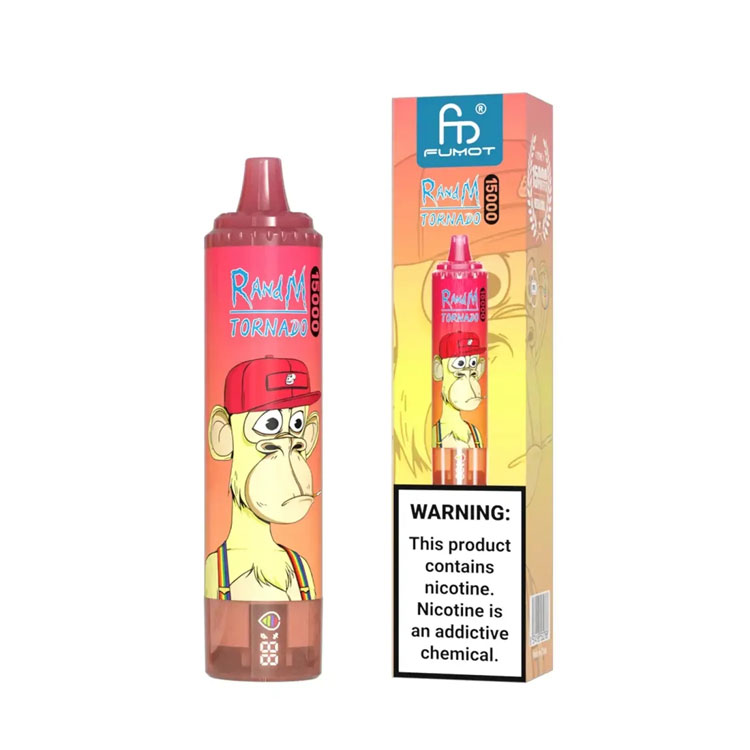 Not all devices are equal. Cig-a-like, pod systems, and refillable mods each offer different ease-of-use, nicotine delivery and maintenance requirements.
 - Match nicotine strength to your needs: High-strength e-liquids can reduce cravings quickly; lower strengths help step-down strategies.
- Address behavioral triggers: Identify routines tied to smoking and plan replacements—short walks, hydrating, or oral substitutes like sugar-free gum.
- Use support networks: Combine vapor tools with counseling, quitlines, apps or supportive friends for higher success rates.
Device categories explained
1. Pod systems (beginner-friendly)
Pods are compact, portable and often use prefilled or refillable pods. They tend to have nicotine salt formulations that provide quick nicotine satisfaction with less throat irritation. If you crave convenience and a cigarette-like draw, pods are a strong starting point.
2. Closed cartridge / cig-a-like
Discrete and familiar-feeling devices that mimic cigarette ergonomics. They are easy to use but may offer limited flavor and nicotine variety. Ideal for those seeking minimal setup.
3. Refillable (open) systems and mods
For people who want customization—flavor profiles, airflow adjustments, and variable power—refillable kits and box mods provide flexibility. They also demand more maintenance and learning.
How to select e-liquid and nicotine strength
The right e-liquid is defined by nicotine type (freebase vs nicotine salts), strength (measured in mg/mL), and flavor preference. A practical starting point: if you smoke 10 or fewer cigarettes a day, try 6–12 mg/mL freebase or 10–20 mg/mL nicotine salt; heavier smokers often need higher concentrations or salt formulations for rapid craving relief. Gradually step down strength on a schedule you can follow—every 4–8 weeks is a common rhythm.
Expert tips for ramping down smoking with vaping
- Start with dual-use, not all-or-nothing: Many successful quitters begin by replacing some cigarettes with vaping during trigger times (after meals, while commuting) and then increasing vape usage until cigarettes are unnecessary.
- Track triggers and patterns: Keep a simple diary for two weeks—note when and why you smoke. Then use vaping strategically at those moments.
- Optimize nicotine delivery: If cravings persist, increase nicotine concentration or try a pod system with nicotine salts for faster satisfaction.
- Flavor as a behavioral tool: Choose flavors that are distinct from your cigarette taste to help break sensory associations. Fruity or menthol alternatives often work well for this.
- Practice inhale technique: Vaping draws are often longer and slower than cigarettes. Experiment with mouth-to-lung vs direct-lung styles based on the device to improve satisfaction.
Products to consider: curated categories
When shopping, look for devices with reliable battery safety, simple fill mechanisms, and good reviews from real users. Typical recommended categories include:
- Starter kits: Pod starter kits with nicotine salt e-liquids for quick satisfaction.
- Step-down kits: Adjustable output devices that allow you to reduce nicotine gradually.
- Accessories: Extra coils, replacement pods, spare batteries and quality chargers for uninterrupted use.
- E-liquids: Trusted brands with clear ingredient lists (PG/VG ratios, nicotine content, and flavoring sources).
Retailers like Dampfer Shop typically show product specs, user reviews, and compatibility charts—use those details to avoid mismatched coils or unsafe charging setups.
Safety and best practices
Safety is paramount. Follow these recommendations to minimize risk:
- Only use the charger supplied or recommended by the manufacturer.
- Store e-liquids away from children and pets; nicotine solutions can be toxic if ingested.
- Use the correct coil resistance and wattage for your device to avoid burnt tastes or overheating.
- Keep batteries in protective cases when not in use and never carry loose batteries in pockets with metallic items.
- If you have lung disease, heart conditions, or are pregnant, consult a healthcare professional before using nicotine products.
Behavioral strategies that increase quit rates
Vaping addresses nicotine but quitting smoking also requires tackling habits and emotions. Combine the following approaches for the best outcomes:
- Set a target quit date: A realistic timeline creates commitment. Use the initial period to transition fully to the vapor product.
- Replace rituals: Substitute cigarette-centric rituals—lighting up after meals or during coffee—with a short walk, breathing exercise, or a vape break that is intentionally shorter and structured.
- Layer supports: Pair vaping with counseling, digital quit apps, or community groups to manage cravings and avoid relapse.
- Reward milestones: Celebrate smoke-free weeks with rewards that reinforce new habits—save the money you would have spent on cigarettes for a meaningful treat.
Monitoring progress and adjusting the plan
Track frequency of cigarette vs vaping use, nicotine concentration over time, and subjective craving intensity. If reduction stalls, adjust the plan: increase nicotine slightly, switch device type, or add behavioral support such as coaching. Keep a flexible mindset; many successful quitters make iterative changes until they find the right combination.
Common obstacles and solutions
Obstacle: Strong morning cravings. Solution: Use a higher-nicotine salt pod first thing, then taper during the day.
Obstacle: Stress-triggered relapse. Solution: Build a stress toolkit—short walks, breathing exercises, or a supportive call—and prefer lower-cost nicotine gum or lozenges temporarily if needed.
Obstacle: Device frustration (leaks, burnt coils). Solution: Choose simpler devices or reliable starter kits and keep spare components on hand; read product manuals or watch tutorials from reputable sources.
Stories of transition: real examples
Case A: A 45-year-old long-time smoker moved to a pod system with 18 mg nicotine salts. Beginning as a dual user, she replaced morning and evening cigarettes with vaping within two weeks and eliminated all cigarettes by month two. She stepped down to 6 mg by month seven and reported fewer coughing episodes and improved energy.
Case B: A heavy smoker who preferred strong throat hit switched to a high-power refillable device with 12 mg freebase e-liquid and longer, scheduled vaping sessions. With counseling support and a goal to quit in three months, he reduced daily consumption from 20 cigarettes to zero and maintained nicotine-free status by six months.
How to assess product quality and retailer trust
When choosing devices and e-liquids, vet the seller for transparent product information, clear return policies, and visible customer reviews. Dampfer Shop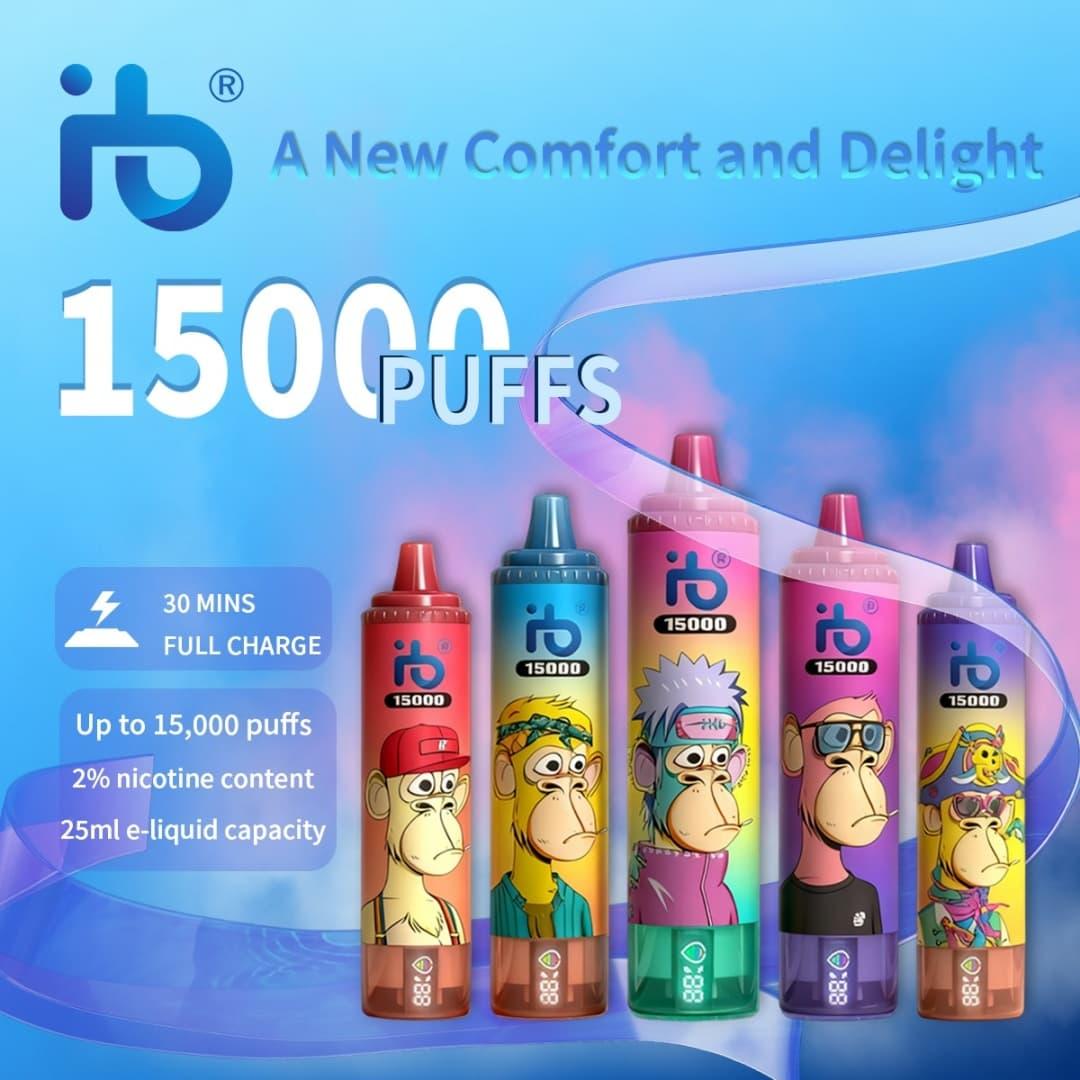 type retailers often provide compatibility guides, lab testing details for e-liquids (where available), and customer service that can assist with device issues—these are signs of a trustworthy retailer.
Regulatory context and health guidance
Regulations vary by country: some jurisdictions restrict flavors, nicotine strengths, or advertising. Always check local laws and rely on healthcare professionals for medical advice. Public health agencies emphasize that while vaping may be less harmful than combustible cigarettes, it’s not harmless—complete cessation of all nicotine is the healthiest outcome.
Checklist: transition action plan
- Pick a target quit date and inform a support person.
- Choose an easy-to-use device and starter kit with nicotine salt e-liquid if rapid relief is needed.
- Buy spare parts and a charger; read the manual thoroughly.
- Track smoking and vaping events daily to identify triggers.
- Gradually reduce nicotine strength on a schedule you can maintain.
- Use behavioral tools and professional supports alongside vaping.
Language for discussing options with a clinician
If you plan to consult a doctor, use clear, concise language: explain you are using a vapor product to reduce or quit smoking, note the device type and nicotine strength, and ask for guidance on potential interactions with medications or health conditions. Clinicians can help tailor tapering schedules and refer to cessation counseling services.
Final thoughts
Switching from smoking to a vapor-based alternative can be an effective component of a broader cessation strategy when it is combined with planning, safety-conscious product choices and behavioral support. Retailers like Dampfer Shop can be part of that support network by providing information, transparent product details and responsive customer service. Remember: the ultimate objective is improved health, and a personalized, incremental approach increases the likelihood of lasting success.
If you want more tailored advice—step-down schedules, device comparisons or a sample 12-week taper plan—reach out to certified cessation counsellors or review detailed guides available from public health services. Small, consistent changes lead to big outcomes over time.
FAQ
- Can vaping help me quit cigarettes?
- Many smokers have succeeded using vaping as a harm-reduction or cessation tool, but success is higher when paired with a clear plan, behavioral support and product choices matched to nicotine needs.
- Is one type of device better for quitting?
- Pod systems and nicotine salts often work well for beginners due to quick nicotine delivery and simplicity; more advanced users may prefer refillable devices to control nicotine and flavor precisely.
- How do I safely reduce nicotine over time?
- Set realistic intervals (4–8 weeks) to step down strength, and monitor cravings; adjust pace as needed. Combining reduction with behavioral techniques reduces relapse risk.