
Understanding Why Vape Keeps Its Appeal
In an era where adult smokers and curious newcomers alike seek less traditional ways to consume nicotine or enjoy aromatic flavors, the term Vape has entered everyday vocabulary. This long-form guide explores the ongoing popularity of vaping and surveys practical alternatives to e cigarettes for those who want to reduce harm, quit nicotine, or simply try different options. The focus here is useful, research-informed advice combined with actionable steps and comparison of choices so readers can make better-informed decisions.
Quick overview: what readers will learn
- Key reasons why many people choose to Vape, beyond simple habit.
- Evidence-based pros and cons of common alternatives to e cigarettes.
- Practical transition plans for switching options or quitting entirely.
- How to assess safety, quality, and long-term implications.
Why people pick vape products: a deeper look
The sustained popularity of Vape products is driven by several interacting factors: convenience, perceived reduced harm compared with combustible cigarettes, an array of flavors, modern device design, and the ability to titrate nicotine. For many users, the ritual — the hand-to-mouth motion, the visible vapor cloud, the sensory cues — substitutes for smoking rituals without combustion. That perceived reduction in harm has motivated smokers to try vaping as a switching strategy, and for some public health advocates it is considered a potential harm reduction tool when adult smokers fully switch.
Key drivers behind continued adoption
- Flavor diversity: fruit, dessert, menthol, and tobacco blends provide strong sensory appeal.
- Device innovation: pod mods, mods, disposable vapes, and adjustable power settings appeal to different preferences.
- Social and cultural factors: vaping lounges, social media content, and peer influence sustain interest.
- Perception of reduced harm: many smokers perceive vaping as less harmful than smoking, though this varies by product and behavior.
- Cost and accessibility: depending on location and product type, vaping can be cheaper than smoking.
What research says about risk
Scientific evidence indicates that vaping is not harmless: inhaling heated aerosols can expose users to nicotine and other chemicals. However, it is widely accepted that exclusive use of validated nicotine-containing e-cigarettes is likely less harmful than continued smoking of combustible tobacco for adult smokers who completely switch. Uncertainties remain about long-term respiratory and cardiovascular effects, and non-smokers, youth, pregnant people, and those with certain health conditions should avoid vaping. With that context, many adults explore alternatives to e cigarettes for cessation or harm reduction.
Practical and evidence-based alternatives to e cigarettes worth considering
The landscape of alternatives is diverse: from licensed nicotine replacement therapies to newer nicotine-free options and behavioral supports. Below we break down major alternatives, their pros and cons, and best-use scenarios.
Nicotinic pharmacotherapy and medically endorsed options
Nicotine replacement therapy (NRT): patches, gum, lozenges, inhalers, nasal spray
NRT products deliver controlled, lower-risk doses of nicotine without combustion or the varied chemicals found in many aerosols. They are an established first-line option in clinical guidelines.
- Patches: provide steady nicotine for 16–24 hours; good for breaking baseline dependence.
- Gum and lozenges: allow rapid relief of cravings and are useful for cue-triggered urges.
- Inhalers and nasal sprays: mimic the hand-to-mouth or rapid delivery aspects and may better address ritualized behaviors.
Pros: clinically tested, widely available, suitable for combination therapy (patch plus gum), supported by healthcare professionals. Cons: may not replicate sensory aspects of Vape and require adherence to dosing schedules.
Prescription medications: varenicline and bupropion
Prescription agents like varenicline (a partial nicotine receptor agonist) and bupropion (an antidepressant with anti-craving effects) have shown higher quit rates in many trials than single-form NRT. They are best used under medical supervision, with careful attention to mental health histories and potential side effects.
Non-combustible nicotine products beyond e-cigarettes
Nicotine pouches and snus
Nicotine pouches (white, spit-free sachets placed behind the lip) and traditional smokeless products like snus avoid inhalation entirely. For adult smokers seeking alternatives, these products can reduce exposure to combustion products. However, they maintain nicotine dependence and carry oral and cardiovascular considerations.
Heated tobacco products (HTPs)
HTPs heat processed tobacco at lower temperatures than cigarettes, producing an aerosol without burning. They are sometimes marketed as reduced-risk compared to cigarettes, but independent long-term data are still emerging. HTPs are not the same as typical Vape devices because they use real tobacco rather than e-liquids.
Non-nicotine and behavioral alternatives
Herbal vaporizers and flavored, nicotine-free e-liquids
For users who want the ritual and sensory aspects without nicotine, nicotine-free e-liquids and herbal vaporizers provide an option. These reduce dependence risk but are not entirely risk-free: inhalation of some flavoring compounds can still irritate airways.
Cognitive-behavioral therapy (CBT) and digital cessation tools
Behavioral counseling, mobile apps, quitlines, and digital programs can dramatically improve quit outcomes, especially when combined with NRT or medications. These are crucial options for those who wish to stop nicotine entirely and address the psychological components of habit.
Mindfulness, exercise, and habit substitution
Techniques such as mindfulness training, regular exercise, and sensorimotor substitutes (e.g., chewing gum, fidget devices) help manage triggers and reduce relapse rates. They are low-risk, often free or low-cost, and suitable for wide adoption.
Evaluating which option is right for you
Choosing between Vape and alternatives to e cigarettes depends on goals: complete nicotine cessation, harm reduction, or short-term switching. Ask these questions:
- Do I want to stop nicotine entirely, or reduce exposure to smoke?
- What are my medical conditions (e.g., pregnancy, heart disease)?
- Do I need a product that mimics the behavioral rituals of smoking?
- Will I have professional support (doctor, counselor) during the switch?
When the goal is quitting smoking, combining behavioral support with medically-approved NRT or prescription medication often produces the best outcomes. For adult smokers unwilling to quit nicotine immediately, exclusive switching to regulated Vape products or other non-combustible nicotine sources can reduce exposure to toxins associated with combustion.
Transitioning safely: practical steps
- Set a clear goal and timeline: switching date or quit date, with contingency plans.
- Consult a healthcare professional: discuss medical options such as NRT, varenicline, or bupropion if appropriate.
- Choose an alternative that matches your pattern of use: patches for steady baseline needs; gum or lozenges for cravings; inhalers or pouches for ritual needs.
- Plan behavioral support: counseling, quitlines, or digital programs can double quit success.
- Monitor progress and side effects: adjust strategy as needed and seek professional help for withdrawal symptoms or mood changes.

Harm minimization vs abstinence
Harm minimization acknowledges that for some adults, complete abstinence is not immediately achievable. For such individuals, switching from cigarettes to less harmful nicotine delivery (e.g., regulated Vape products or NRT) can be a step toward reduced harm and possibly cessation later. However, for young people and never-smokers, initiation of nicotine in any form is discouraged due to addiction risk.
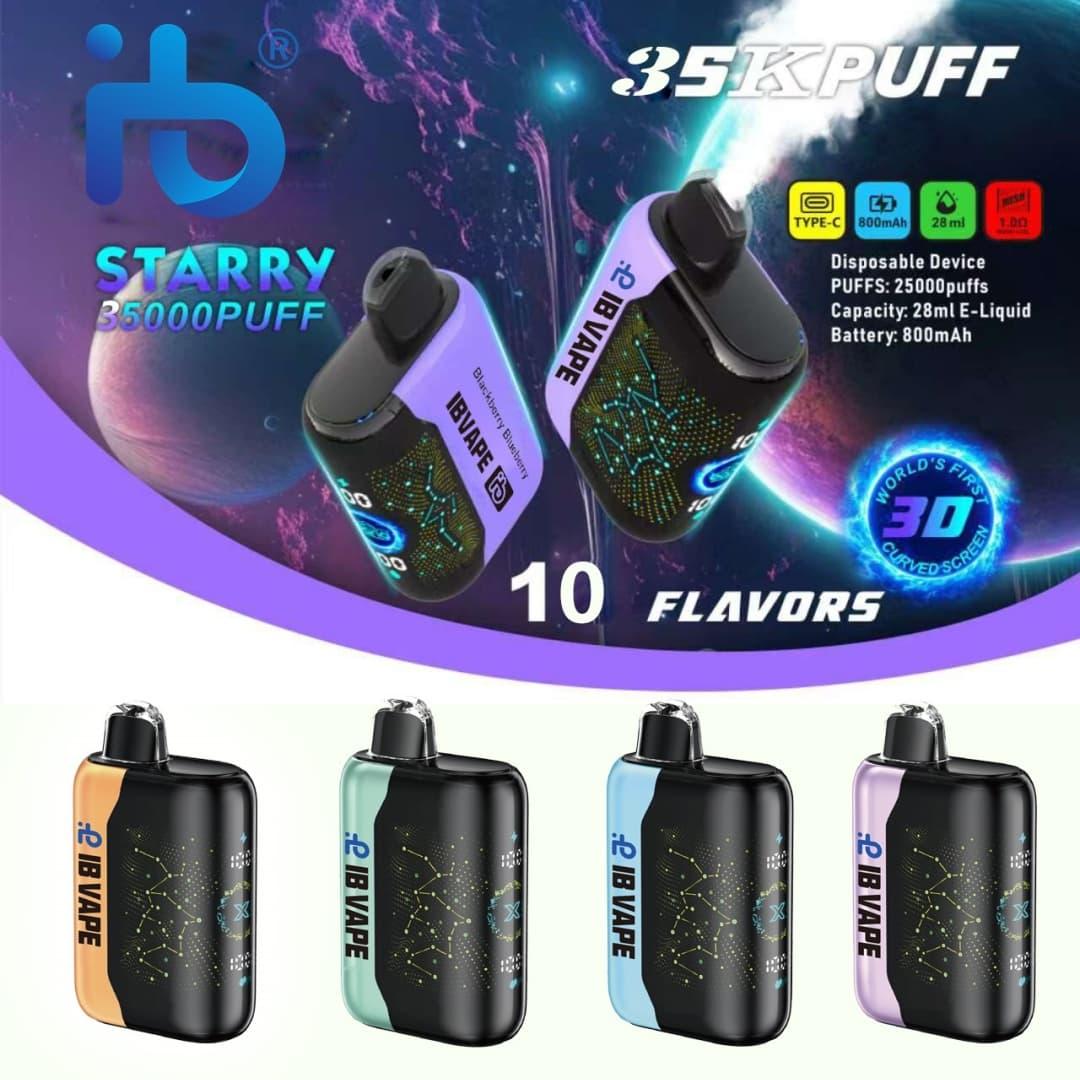
Comparing pros and cons at a glance
| Option | Pros | Cons |
|---|---|---|
Vape |
Variety of flavors, rapid craving relief, mimics smoking behavior | Not harmless, ongoing nicotine exposure, variable product quality |
| NRT | Clinically tested, flexible combinations, safe under guidance | May not satisfy ritual aspects, requires adherence |
| Nicotine pouches/snus | No inhalation, convenient, discreet | Maintains nicotine dependence, oral health concerns |
| Prescription meds | Higher quit rates in trials, effective for strong dependence | Requires medical evaluation, potential side effects |
| Herbal/nicotine-free | No nicotine, reduces ritual urge | May still expose to inhaled compounds, less effective for addiction |
Safety, device hygiene, and environmental notes
Device maintenance matters. For pod systems and refillable devices, follow manufacturer guidance on coil replacement and battery safety. Dispose of batteries and cartridges responsibly — e-waste and nicotine waste can harm the environment if discarded improperly. If trying alternatives to e cigarettes, also consider waste differences (e.g., single-use disposables vs reusable systems).
Signs a product may be unsafe
- No ingredient list or manufacturer contact details.
- Counterfeit packaging or suspiciously low prices.
- Device overheating or battery swelling.
- Unusual or severe respiratory symptoms — seek medical attention.
Common myths and evidence-based clarifications
Myth: Vaping is totally safe. Fact: Vaping reduces some harms compared to smoking but is not risk-free.
Myth: Nicotine itself causes lung cancer. Fact: Nicotine is addictive and has cardiovascular implications, but the major cancer risk from smoking comes from combustion products, not nicotine alone.
How to evaluate claims, studies, and news
Look for peer-reviewed research, independent funding statements, and reputable public health organizations. Industry-funded studies may have bias. Distinguish between short-term observational reports and long-term cohort data. When in doubt, consult a health professional.
Case examples: realistic scenarios
Case A: A 45-year-old long-term smoker who wants to quit but finds NRT unsatisfying might try a medically-regulated Vape device as a bridge while enrolling in counseling, planning a full cessation goal within 6–12 months.
Case B: A young adult who vapes recreationally without prior smoking should be encouraged to switch to nicotine-free options or behavioral supports to avoid developing dependence.
Checklist for choosing an alternative
- Define your primary goal (quit, reduce harm, or experiment without nicotine).
- Assess your medical status and consult professionals if needed.
- Choose a product with clear labeling and safety standards.
- Use behavioral supports and plan accountability.
- Set measurable milestones and adjust the plan based on results.
Final recommendations and balanced perspective
Vaping continues to appeal for pragmatic reasons, but it sits inside a nuanced public health landscape. Adults who smoke cigarettes and want to reduce harm might consider regulated Vape products as one of several strategies, ideally combined with professional support and a plan for eventual nicotine reduction. For those seeking to avoid nicotine or stop inhalation, medically approved alternatives to e cigarettes like NRT, prescription medications, behavioral therapy, and nicotine-free options merit priority because of robust safety and efficacy data. Ultimately, the best choice depends on individual goals, health status, and access to quality products and services.
Where to get help
Primary care clinicians, pharmacists, certified tobacco treatment specialists, regional quitlines, and evidence-based mobile apps provide free or low-cost support. If considering prescription medications or combination therapy, a clinician consultation is recommended.
Resources
- National quitline or local health service for free counseling.
- Peer-reviewed journals for evolving evidence.
- Manufacturer and third-party lab reports for product testing data.
Closing note
Whether you are evaluating Vape devices or investigating alternatives to e cigarettes, prioritize credible sources, safety, and alignment with your long-term health goals. Change is rarely linear; adjust strategies, seek support, and measure progress in small, sustainable steps.
FAQ
- Q: Are nicotine pouches safer than vaping?
- A: Nicotine pouches avoid inhalation and may reduce respiratory exposure compared with Vape aerosols, but they maintain nicotine dependence and have their own oral and systemic considerations. “Safer” depends on the metrics used — respiratory vs addiction vs long-term systemic effects.
- Q: Can I combine NRT with a vape device?
- A: Clinically, combining certain NRTs (like a patch for baseline nicotine plus gum for cravings) is common. Combining NRT with vaping is less studied and may perpetuate nicotine dependence. Consult a clinician before combining strategies.
- Q: What is the quickest way to quit nicotine?
- A: The highest short-term quit rates occur with combination therapy: behavioral counseling plus pharmacotherapy (NRT or prescription medications). “Quick” is less important than a sustained, supported approach to prevent relapse.
Key terms: Vape, alternatives to e cigarettes, NRT, quitline, harm reduction, nicotine dependence, device safety, behavioral support.