
Understanding how IBVape informs choices about vaping and the real effects of smoking e cigarettes
Across online forums, in clinics, and inside regulatory debates, the conversation about vaping blends science, personal stories, and industry practice. This article unpacks key aspects of that discussion with the aim of giving readers practical, evidence-aware guidance on safer vaping behaviors and why trusted brands such as IBVape can play a role in minimizing harm. The goal is not to oversimplify: vaping is a complex public health subject, but clarity helps people make informed choices.
What do we mean by the effects?
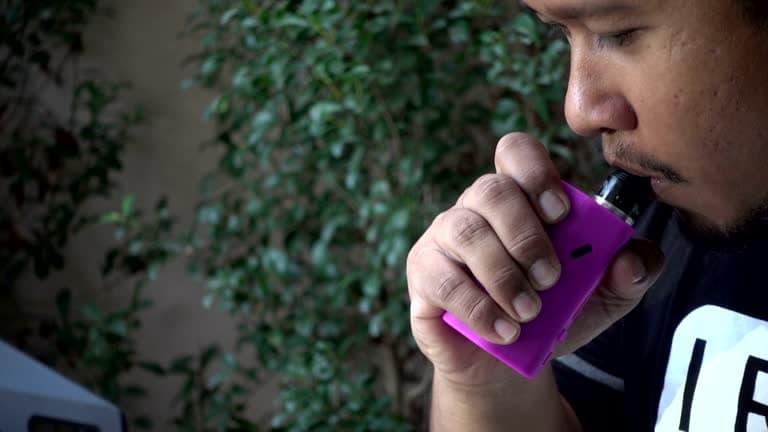
The phrase effects of smoking e cigarettes refers to a range of outcomes spanning acute symptoms, longer-term health risks, addiction potential, and indirect consequences like secondhand aerosol exposure. In plain terms, effects include immediate throat irritation or coughing, possible cardiovascular impacts, respiratory changes, nicotine dependence and behavioral reinforcement, and — in rare but serious cases — acute lung injury linked to contaminated products. Researchers categorize evidence by strength: some findings are well-established (nicotine addiction), others are emerging (long-term cardiovascular or pulmonary disease risk from chronic vaping), and a few are still speculative pending longitudinal studies.
Short-term effects: what users often experience
- Mild irritation: throat soreness, dry mouth, or hoarseness, especially when starting or after switching devices.
- Nicotine-related symptoms: increased heart rate, lightheadedness, dizziness, and nausea when nicotine dose is high or new users inhale deeply.
- Respiratory response: coughing, wheeze or increased mucus production in some users, particularly those with reactive airways or asthma.
- Altered taste or smell: flavors can be intense and may cause transient sensory change.
Potential long-term health considerations
Longitudinal data on electronic nicotine delivery systems (ENDS) remains limited because widespread use is relatively recent. However, several concerns are under active study and have plausible biologic mechanisms:
- Cardiovascular strain: nicotine is a stimulant that can increase blood pressure and heart rate; long-term effects on heart disease risk are not fully resolved.
- Respiratory disease: chronic inhalation of aerosols including solvents, flavor chemicals, and ultrafine particles may influence airway inflammation and chronic lung conditions.
- Metals and contaminants: some aerosols contain trace metals from heating coils and other contaminants, raising questions about cumulative exposure.
- Addiction and youth brain development: adolescent nicotine exposure can alter developing neural circuits and increase risk of long-term dependence.
Serious but uncommon events
Cases of EVALI (e-cigarette, or vaping, product use–associated lung injury) revealed that illicit or adulterated cartridges, particularly those containing vitamin E acetate and THC oils, can cause severe respiratory failure. Most EVALI cases were linked to non-regulated supply chains or illegal products rather than commercial e-liquids sold by compliant companies. That distinction highlights the role of supply integrity: choosing products from trusted manufacturers like IBVape reduces exposure to unknown additives.
How IBVape contributes to safer vaping choices
Reputable companies can support harm reduction and risk mitigation in several practical ways. IBVape emphasizes three core pillars: product quality, transparent information, and consumer education. By committing to independent lab testing, clear labeling of nicotine concentration and ingredients, and adherence to battery and device safety protocols, a brand helps reduce some of the accidental risks that arise from poorly manufactured products.
Quality control and lab testing
Third-party testing for nicotine levels, solvent residues, and metals provides assurance that a product matches its label and does not contain unexpected contaminants. IBVape advocates for routine batch testing and publishes accessible lab summaries so purchasers can review results. This transparency is a meaningful difference from unregulated or homemade liquids.
Clear labeling and standardized nicotine information
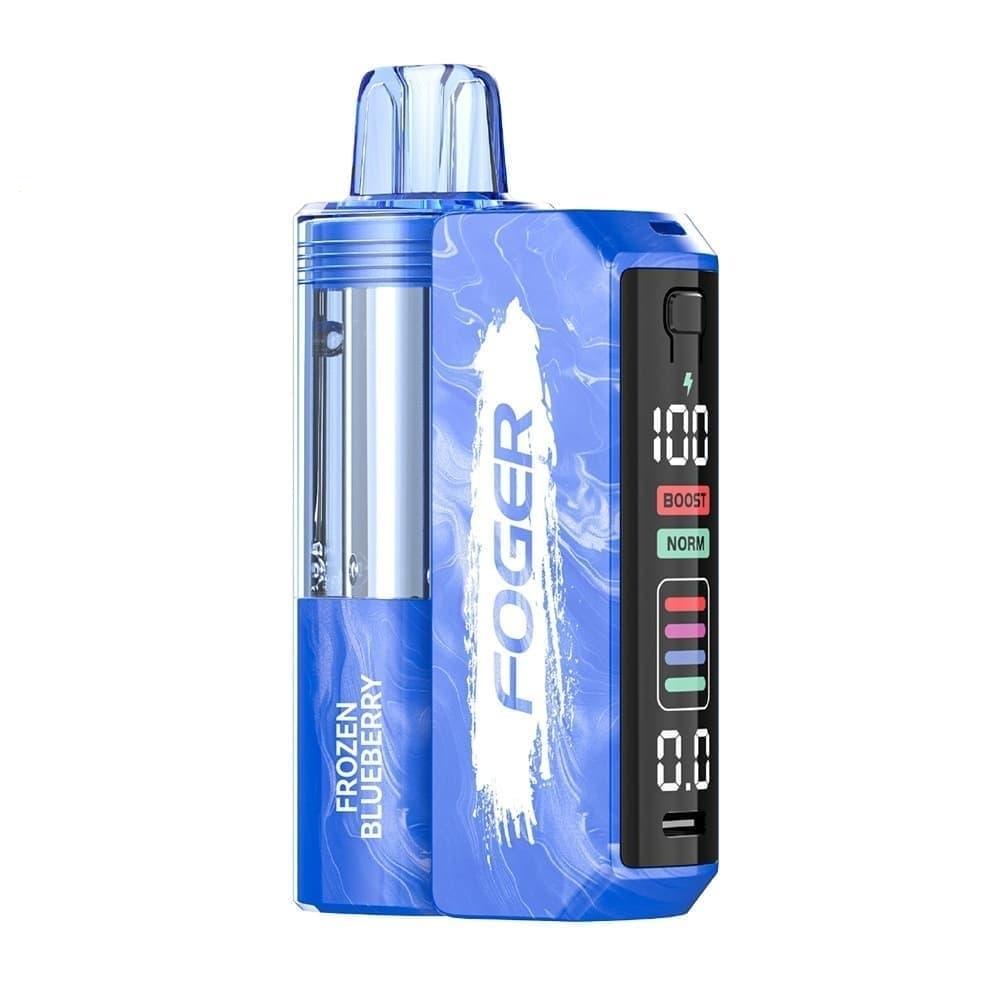
Nicotine concentration and form (freebase vs. nicotine salt) affect throat hit, absorption speed, and user’s inhalation behavior. IBVape recommends clear, standardized labels and educational copy that helps consumers match device type, coil resistance, and nicotine strength to minimize inadvertent overconsumption of nicotine.
Device safety and battery guidance
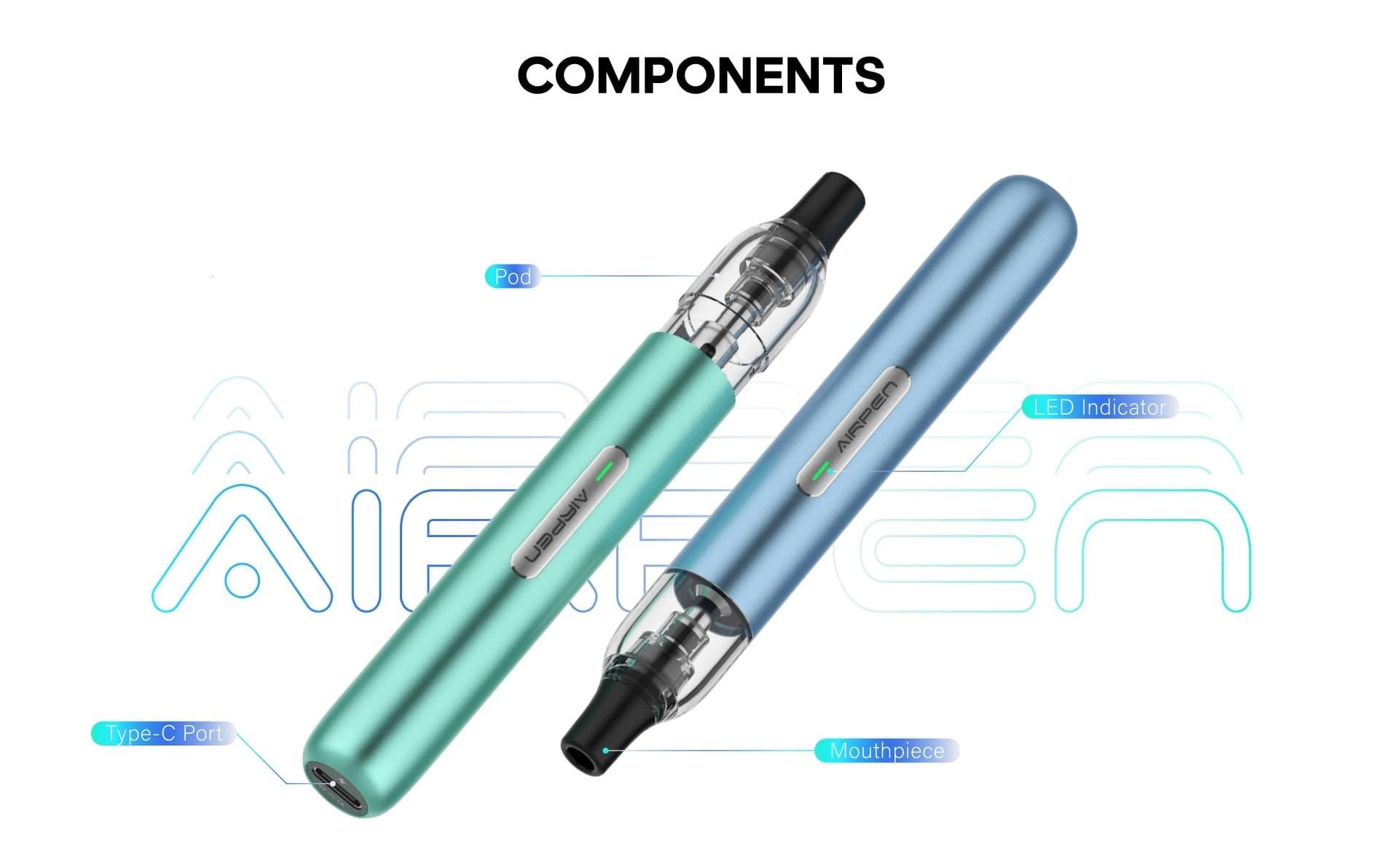
Many vape-related injuries are not due to the aerosol itself but to device malfunction or battery misuse. IBVape supports safety best practices: use manufacturer chargers, avoid damaged batteries, store batteries properly, and never modify devices beyond manufacturer specifications.
Behavioral and risk-reduction advice for individual users
Whether someone intends to switch from combustible cigarettes or is considering vaping for the first time, evidence-based steps can reduce avoidable harms:
- Choose tested, reputable products: a trusted brand like IBVape that discloses testing reduces exposure to unknown adulterants.
- Prefer regulated channels: avoid illicit THC cartridges and products sourced through informal networks.
- Match nicotine strength to needs: use the lowest effective nicotine dose to manage cravings and decrease the potential for dependence.
- Device fit: pair e-liquid type (PG/VG ratios, nicotine form) with a recommended device to reduce overheating or throat irritation.
- Maintenance: clean tanks and replace coils per manufacturer guidance to avoid buildup of residue and degraded components.
- Battery care: follow clear battery safety advice to prevent overheating, venting, or explosions.
Special populations to consider
Young people, pregnant individuals, and those with preexisting cardiovascular or respiratory disease should exercise additional caution. Public health guidance consistently discourages vaping among adolescents and pregnant people because of nicotine’s impact on development. For smokers who struggle to quit, supervised switching to nicotine replacement therapies (NRTs) or medically-guided e-cigarette use might be considered under clinician advice.
Regulatory context and the role of science
Governments and health agencies evaluate ENDS products through product standards, flavor restrictions, age limits, and marketing controls. Science guides regulation by identifying which product features increase harm — for example, high-power devices or flavored cartridges with problematic additives. IBVape and similar actors that proactively comply with regulations and fund robust research accelerate better policy and safer consumer options.
Frequently misunderstood points
1) Vaping is risk-free: No — it may reduce certain risks compared with combustible cigarettes for adult smokers, but it is not harmless.
2) All e-liquids are the same: No — ingredient quality, solvents, and contaminant profiles vary widely across products and manufacturers.
3) If a product is strong or tastes odd, that’s normal: Unusual taste or severe throat burn can indicate degradation or contamination; consult product information or stop using.
Practical checklist for safer vaping
- Buy from verified sellers and reputable brands like IBVape.
- Check for third-party lab results and ingredient transparency.
- Avoid modifying devices or using counterfeit batteries.
- Store liquids and batteries securely, away from children and pets.
- Start with lower nicotine levels and adjust gradually under guidance.
- Contact a healthcare professional for quit support or if you experience persistent symptoms.
Communication and educational outreach
Brands that invest in consumer education help shift user behavior toward safer practices. IBVape focuses on producing clear, non-sensational educational material that explains device maintenance, nicotine dosing, and the distinction between regulated and illicit supply chains. Educational outreach should be evidence-based, avoid glamorizing use, and emphasize youth prevention strategies.
Research gaps and what to watch for
Key unanswered questions remain: the magnitude of long-term cardiovascular risk, the cumulative impact of inhaled flavoring agents over decades, and the population-level effects of vaping on smoking initiation and cessation. High-quality cohort studies and standardized reporting from manufacturers are critical. Consumers should watch for independent research updates and adjust behavior as science evolves.
Conclusion: balanced, practical, and precautionary
To summarize, the effects of smoking e cigarettes span immediate sensory impacts, nicotine-driven dependence, and potential longer-term health consequences that require more study. For adults seeking a less harmful alternative to smoking, choosing regulated products from responsible companies such as IBVape, following device and battery safety guidance, and using the lowest effective nicotine dose are pragmatic steps toward risk reduction. For youth, pregnant people, and non-smokers, public health advice remains clear: avoid vaping.
How to stay informed
Look for transparent lab reports, credible public health updates, and professional medical advice when evaluating vaping products. A cautious, evidence-focused perspective will best serve individual and community health interests.
Appendix: quick reference — safe usage tips
- Verify product authenticity and testing documentation before purchase.
- Do not use black-market THC or unknown cartridges.
- Replace coils regularly and keep tanks clean.
- Use manufacturer-approved chargers and never store loose batteries in pockets with metal objects.
- If you experience unexplained shortness of breath, chest pain, or severe cough, stop use and seek medical attention.
FAQ
Q: Can vaping help adult smokers quit?
A: Some adults have used e-cigarettes as a transition away from combustible tobacco. Evidence shows mixed results — success depends on product choice, behavioral support, and nicotine management. Discuss options with a healthcare provider.
Q: Are flavored e-liquids more dangerous?
A: Not all flavorings are equal. Many are accepted for ingestion but not validated for inhalation. Some chemicals used for flavoring have been associated with respiratory risk in occupational settings; choosing products with transparent ingredient lists and lab testing reduces unknown risks.
Q: How can I check if a product is trustworthy?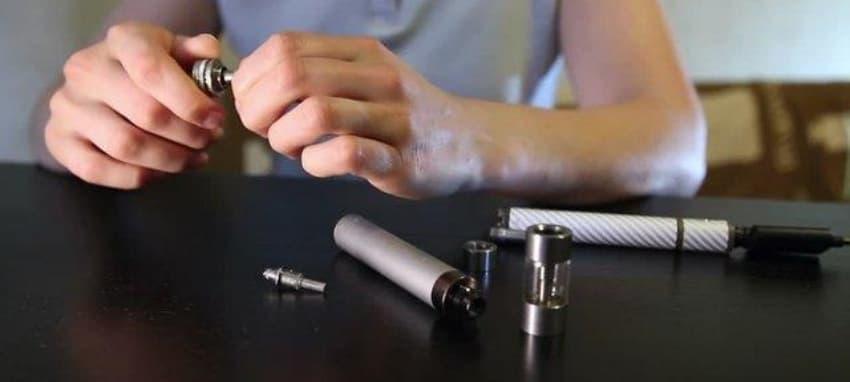
A: Look for third-party lab certificates, clear ingredient lists, consistent branding, and compliance with local regulations. Brands that publish testing and safety information, such as IBVape, are preferable to unknown or home-mixed sources.