Expert Overview: What Health Specialists Are Saying About Disposable Vape Risks
Public health experts, toxicologists, respiratory physicians and policy-makers increasingly highlight risks tied to Einweg Vapes and the presence of dangerous chemicals in e cigarettes. This article synthesizes current expert warnings, laboratory findings, regulatory discussions and practical guidance for clinicians, parents and consumers. The content emphasizes why single-use vaping devices are under scrutiny, what specific compounds generate concern, and how stakeholders can reduce harms without repeating a promotional headline.
Why disposable products attract particular concern
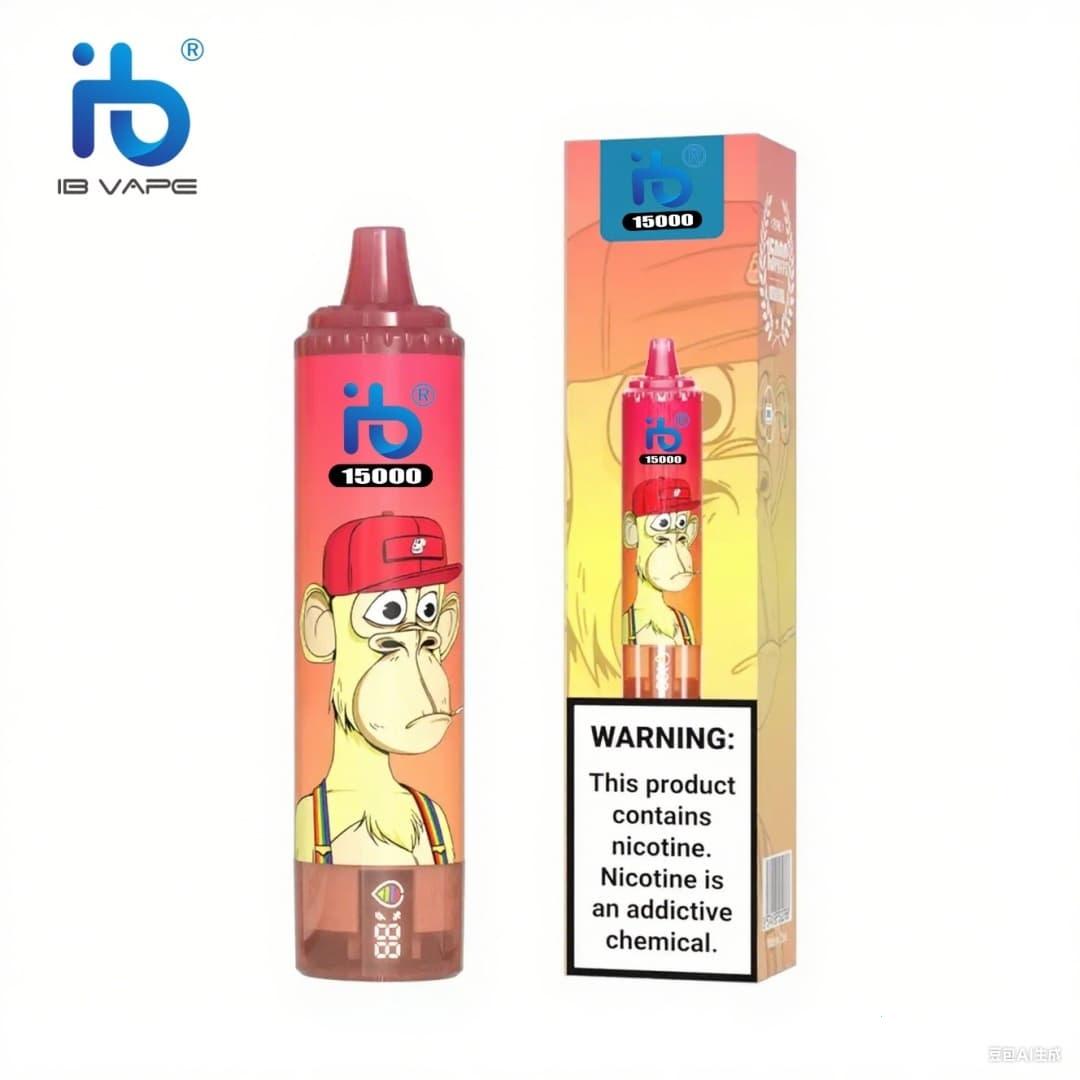
Disposable or single-use vaping devices have surged in popularity because they are cheap, colorful and often heavily flavored. Experts point out three structural reasons for worry: first, disposables are produced rapidly with variable quality control; second, they frequently contain multiple flavoring additives that can form toxic byproducts when heated; third, disposables often deliver high concentrations of nicotine and ultrafine particles with limited labelling or safety data. In short, the combination of poor manufacturing oversight plus complex chemistry increases the probability of exposing users to dangerous chemicals in e cigarettes.
Key chemical classes and specific agents identified by research
Laboratory analyses of aerosols from single-use devices repeatedly detect a range of harmful constituents. These include:
- Carbonyl compounds — formaldehyde, acetaldehyde and acrolein can form from heating propylene glycol or glycerol and are known respiratory and systemic irritants; formaldehyde is classified as a carcinogen in humans.
- Diacetyl and related diketones — flavoring chemicals linked to bronchiolitis obliterans (“popcorn lung”) after inhalational exposure.
- Volatile organic compounds (VOCs) — benzene and toluene have been detected in some emissions and are associated with hematologic and neurologic toxicity.
- Heavy metals — lead, cadmium, nickel and chromium can leach from device components and are linked to cardiovascular, renal and neurologic harms.
- Nitrosamines — tobacco-specific nitrosamines can be present in nicotine extracts and are carcinogenic.
- Ultrafine particulate matter — fine and ultrafine particles contribute to lung inflammation and can translocate into circulation.
- Reactive oxygen species and free radicals — measured in aerosols, they promote oxidative stress implicated in chronic disease.
Experts stress that mixtures are the norm: simultaneous exposure to multiple toxicants may cause additive or synergistic effects, complicating risk assessment.
Health consequences highlighted by clinicians
Respiratory physicians and emergency medicine clinicians report acute and chronic patterns consistent with toxic inhalation and nicotine toxicity. Reported and studied outcomes include:
- Acute lung injury and lipoid pneumonia-like presentations in users exposed to certain oils and additives.
- Exacerbations of asthma and chronic obstructive pulmonary disease (COPD) in susceptible adults and adolescents.
- Cumulative cardiovascular risks—elevated heart rate, blood pressure changes and endothelial dysfunction linked to nicotine plus particulate exposure.
- Nicotine dependence, with single-use devices often delivering high doses that sustain addiction, especially harmful in adolescents whose brains are still developing.
- Potential long-term cancer risk due to inhalation of carcinogenic carbonyls, nitrosamines and some metals.
While long-term epidemiologic data are still being collected, mechanistic studies and short-term clinical evidence support caution.
Device-related hazards beyond chemistry
Disposable devices also pose mechanical and environmental risks: battery failures causing burns or fires, lack of child-resistant packaging, and improper disposal that releases metals and residual liquids into the environment. These non-chemical hazards compound the public health burden of widespread disposable cigarette-like products.
What toxicology studies actually show
Controlled laboratory studies using chemical analysis, cell culture and animal models show that aerosols from certain disposables can: increase markers of inflammation, damage airway epithelial cells, induce oxidative stress, and impair immune responses. Human biomonitoring studies detect metabolites of harmful chemicals in urine and blood following short-term device use, confirming systemic absorption. Experts caution that variability across brands and manufacturing lots complicates generalizations, but the detection of known toxicants in multiple independent studies creates a consistent pattern of concern.
Regulatory and policy expert recommendations
Public health authorities and regulatory scientists propose multipronged actions: stronger manufacturing standards, mandatory premarket chemical disclosure, limits on nicotine concentration, bans on certain flavorants, child-proof packaging and effective disposal programs. Some jurisdictions advocate for restricting or phasing out single-use devices entirely given their appeal to youth and the difficulty of assuring product safety at scale.
Clinical guidance for health professionals
Healthcare providers are advised to ask patients about device type (disposable vs refillable), flavor use, frequency and symptoms. Practical steps include screening adolescents for nicotine dependence, counseling pregnant patients that inhalation exposures may harm fetal development, and reporting suspected device-related injuries to appropriate surveillance systems. When patients present with respiratory symptoms and vape history, clinicians should consider toxicant-induced lung injury in differential diagnoses and pursue targeted testing and supportive care.
Advice for consumers and parents
To reduce individual risk, experts recommend: avoiding nonregulated devices and illicit products, not assuming “tobacco-free” or “synthetic nicotine” means safe, keeping devices away from children, and seeking cessation assistance rather than switching products. For parents, education about marketing tactics and flavor appeal is crucial—young people often underestimate the addictive potential and chemical risks of single-use vapes.
Testing, surveillance and research priorities
Key research gaps include long-term cohort studies of disease risk, standardized methods to characterize emissions across temperatures and device types, and better pharmacokinetic data on inhaled flavorants and heavy metals. Experts call for harmonized surveillance systems to detect emerging patterns of injury and for transparent reporting of product ingredients to accelerate risk assessment.
Practical steps for harm reduction and disposal
If someone chooses to use a vaping product despite risks, recommended harm-reduction strategies are: use validated adult-oriented products with independent laboratory verification, avoid modifying devices or using illicit cartridges, minimize frequency and duration of use, and follow manufacturer guidance for safe charging and disposal. For disposal, treat used devices like electronic waste—do not discard in household trash when local regulations provide alternative collection, and remove batteries when possible to limit fire and environmental hazards.
Communication strategies: how experts suggest the message be framed
Public health communication should avoid sensationalism while clearly conveying the presence of harmful constituents and the limits of current knowledge. Framing should emphasize evidence-based risks—such as the identification of carbonyls, metals and ultrafine particles in emissions—while offering actionable steps for clinicians, parents and users. Messaging that targets prevention (keeping devices away from youth) and cessation support is favored over simply promoting less-harmful alternatives without adequate evidence.
International regulatory approaches and lessons learned
Different countries take divergent approaches—from strict flavor bans and advertising restrictions to product standards and age limits. Comparative analysis shows that comprehensive strategies combining market restrictions, youth-targeted education, and enforcement against illicit products tend to reduce youth uptake and limit market-driven harms. Experts encourage policymakers to adopt adaptive regulatory frameworks that can respond to fast-evolving product designs, such as new disposable formats that may evade older rules.
Long-term outlook and what to watch for
Experts recommend monitoring three domains closely: product innovation (new heating mechanisms, formulations), emerging epidemiology (patterns of lung injury and chronic disease), and industry practices (ingredient disclosure and marketing). Advances in analytical chemistry and biomonitoring will help detect previously unrecognized toxins, while longitudinal studies will clarify chronic risks. Until clearer evidence is available, the precautionary principle guides many public health recommendations.
Summary: key takeaways from expert analyses
- Einweg Vapes are associated with a higher probability of variable manufacturing and unknown additives that can create dangerous chemicals in e cigarettes
 Einweg Vapes and dangerous chemicals in e cigarettes” /> when heated.
 - Multiple chemical classes of concern—carbonyls, VOCs, metals, nitrosamines and flavoring-damage-associated compounds—have been detected in emissions.
- Clinical and laboratory evidence points to respiratory, cardiovascular and systemic toxic effects; nicotine dependence remains a major public health worry.
- Policymakers, clinicians and consumers should prioritize prevention, surveillance and product standards to mitigate harms.
Call to action for stakeholders
Researchers should standardize emission testing; regulators should require ingredient disclosure and set maximum limits for known toxicants; clinicians should screen and counsel patients; and consumers should demand transparency and responsible disposal. Collective effort is needed to reduce the public health risks tied to rapidly proliferating disposable devices.
FAQ
- Q: Are disposable vapes inherently more dangerous than refillable devices?
- A: Not necessarily inherently, but disposables often lack consistent manufacturing standards and may use non-transparent formulations, raising the risk that dangerous chemicals in e cigarettes appear in emissions. Quality control and ingredient disclosure improve safety margins.
- Q: Which chemicals found in vape aerosol are most concerning?
- A: Carbonyls (formaldehyde, acrolein), certain flavoring diketones (like diacetyl), heavy metals (lead, cadmium, nickel), nitrosamines and ultrafine particulates are repeatedly identified by experts as high-priority concerns due to their known health effects.
- Q: What should parents do if they find their teenager using disposable vapes?
- A: Engage in nonjudgmental dialogue, seek medical advice for nicotine dependence screening, remove easy access to devices, and consider professional cessation support. Education about the chemical risks rather than only legal consequences tends to be more effective.