
IBVape Shop perspective and expert overview on vaping safety and reduced-harm approaches
This comprehensive, research-informed guide is designed to help curious adults understand the difference between combustible cigarettes and electronic alternatives, focusing on the practical question many ask: are e cigarettes safer than smoking? Throughout this article we also reference trusted retail and harm-reduction resources such as IBVape Shop as a point of context for where consumers often seek devices, liquids, and safety guidance. The aim here is balanced: present evidence, clarify common misconceptions, and give pragmatic, safety-first recommendations so readers can make informed choices.
Why this comparison matters
When populations ask whether vaping is a safer alternative to traditional smoking they are often considering multiple factors at once: the immediate toxic exposure, long-term disease risk, nicotine dependence, device hazards, and the social or behavioral aspects of nicotine use. Plainly put, comparing an aerosol product to a burning product requires separating chemical exposure from behavioral effects. IBVape Shop and informed health authorities emphasize that harm reduction strategies depend on adult use, product quality, and correct expectations: reduced exposure is not zero risk.
Key categories to evaluate
- Toxicant exposure: cigarettes produce tar, carbon monoxide, and thousands of combustion byproducts; e-cigarette aerosol contains fewer known combustion products but includes aldehydes, propylene glycol/vegetable glycerin residues, flavoring agents, and particulates.
- Short-term harms: coughing, throat irritation, nicotine-related cardiovascular effects; immediate differences vary by user and product.
- Long-term disease risk: established for smoking (lung cancer, COPD, cardiovascular disease); still uncertain for vaping due to relatively short population exposure time.
- Product safety: battery and device malfunction risks, e-liquid contamination, inconsistent labeling.
- Nicotinic dependence and cessation outcomes: both products deliver nicotine; how they support quitting differs across devices and behavioral contexts.
What the evidence shows about exposure and risk
Multiple independent reviews summarize that exclusive substitution of combustible cigarettes with modern e-cigarettes generally reduces exposure to many harmful combustion products. This is important because many smoking-related diseases are driven by long-term cumulative exposure to combustion-derived toxins. Meta-analyses suggest that biomarkers for particular toxicants fall significantly when smokers switch completely to e-cigarettes. However, the literature also highlights important caveats: complete substitution is rare among some populations, long-term cohort data are scarce, and some harmful compounds (for example certain aldehydes formed at high coil temperatures) are present in aerosol. Public-health organizations therefore often take a cautious stance: vaping is likely less harmful than smoking for individual adult smokers who completely switch, but it is not harmless and carries uncertainty for long-term outcomes.
Comparative details
- Combustion vs aerosol: Burning tobacco produces carbon monoxide and tar—two major drivers of cardiovascular and pulmonary disease. E-cigarettes do not burn tobacco and therefore avoid many combustion-specific toxins.
- Nicotine delivery: Modern devices can deliver nicotine efficiently, which is important for smokers seeking a substitute. However, nicotine itself has cardiovascular effects and is addictive.
- Chemical complexity: E-liquids contain propylene glycol (PG), vegetable glycerin (VG), nicotine, and flavorings. At high temperatures or with poor device maintenance, harmful byproducts may form. Quality control at the manufacturing level matters.
- Uncertainties: Long-term cancer risk, effects on lungs from chronic aerosol exposure, and impacts of inhaled flavoring agents are not fully established. That uncertainty is a key reason health agencies remain cautious.
Practical safety insights from experts and retailers
Whether you consult a healthcare provider, a harm-reduction advocate, or an experienced retailer such as IBVape Shop, these practical suggestions appear repeatedly in expert guidance: prioritize product quality, avoid DIY modifications unless you understand the risks, store e-liquids and batteries safely, and seek devices with clear labeling and tested components. The following checklist helps summarize these recurring recommendations.
Safety checklist for adult consumers
- Purchase devices and e-liquids from reputable sources that provide ingredient lists and batch testing when available.
- Choose e-liquids with known ingredients; avoid unregulated or homemade products.
- Use the correct charger and follow manufacturer battery guidelines to prevent thermal events.
- Keep e-liquids out of reach of children and pets; nicotine-containing liquids are toxic when swallowed.
- Regularly maintain and clean devices according to instructions to reduce the risk of overheating and contamination.
- Seek medical advice if you have preexisting heart or lung disease before switching products.
Device and battery safety: rarely discussed but vital
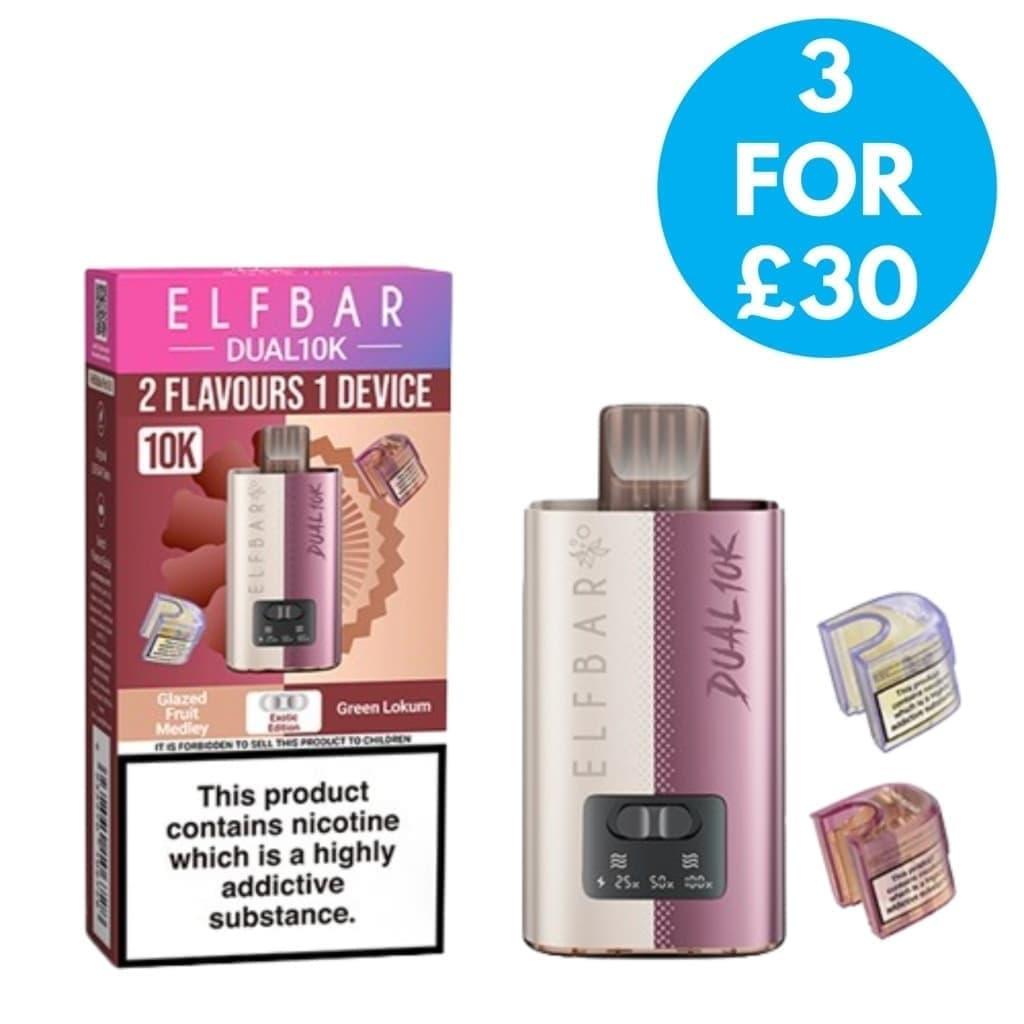
Among avoidable harms, battery misuse and poor charging practices can cause burns and fires. Experts recommend using original chargers or certified replacements, avoiding exposure to extreme heat, and not carrying loose batteries together with metal objects. Retailers like IBVape Shop often provide transparent battery safety instructions and certified device options that reduce the chance of mechanical failure. When buying, prefer products with overheat protection, short-circuit protection, and clear specifications.
How to spot a safer device
- Built-in safety circuits and overcharge protection.
- Manufacturer transparency about coil resistance, recommended wattage ranges, and compatible batteries.
- Positive consumer reviews and third-party lab testing when possible.
- Clear warranty and return policies indicating company accountability.
Nicotine: dependence, dosing, and harm reduction
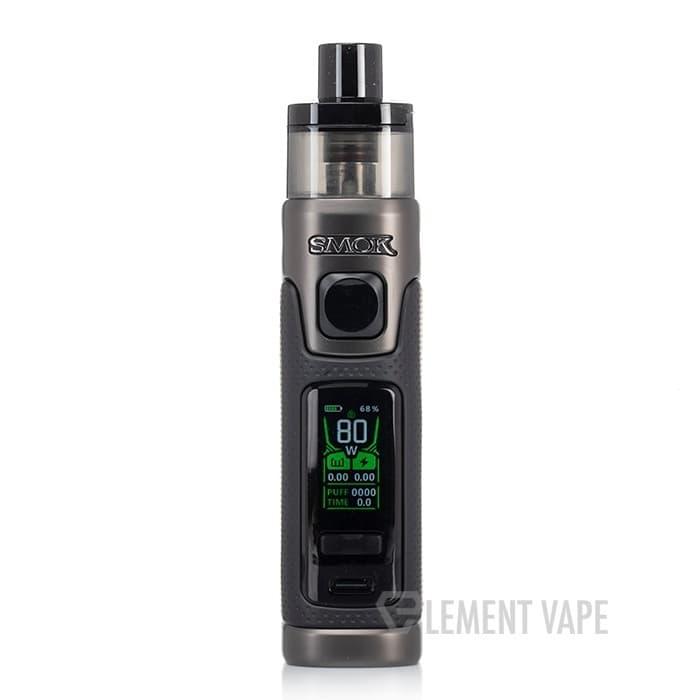
Nicotine sustains addiction and has physiological effects, but many tobacco-related diseases are driven by toxicants other than nicotine. For adult smokers who cannot or will not quit through other means, switching to a non-combustible nicotine delivery system can reduce exposure to many of those toxicants. However, safe use requires realistic expectations: nicotine dependence may persist, and total health benefits depend heavily on achieving complete or near-complete substitution of combustible products.
Nicotine dosing tips
- Match nicotine concentration to previous cigarette consumption if the goal is to avoid relapse; some users need lower initial doses, others need higher.
- Monitor subjective effects—if you still experience strong cravings, adjust device power or nicotine strength rather than returning to cigarettes.
- Consider behavioral supports and counseling in addition to product substitution for best cessation outcomes.
Special populations and public-health considerations
Policy and clinical guidance emphasize protection of young people, pregnant people, and non-smokers. Even if a product is lower-risk for an adult smoker, initiation among youth represents a public-health setback. Retailers and public-health programs often separate messages: advise adult smokers on harm reduction while supporting prevention strategies to reduce youth initiation. are e cigarettes safer than smoking is a question that must be weighed differently for each group: for an adult, long-term smoker, the answer may lean toward “reduced exposure”; for a pregnant person or adolescent, the prudent answer is “no, avoid use.”
Regulation, product quality, and the role of oversight
Regulatory frameworks shape product safety dramatically. Where e-liquids and devices are subject to testing, labeling, and manufacturing standards, consumer safety improves. Authorities may require child-resistant packaging, limits on certain flavoring agents, and accurate nicotine labeling. Reputable sellers such as IBVape Shop typically operate within regulated markets and offer products compliant with local rules—this reduces risk compared to unregulated gray-market items.
Questions to ask your supplier
- Do you provide batch testing or certificates of analysis for e-liquids?
- Is device battery safety independently certified?
- Are product ingredients and nicotine amounts clearly labeled?
- Does the company have transparent return policies and customer service?
Transition strategies: moving from cigarettes to lower-risk alternatives
For smokers considering a switch, structured strategies improve the odds of complete substitution. Typical approaches include setting a quit date for cigarettes, choosing an appropriate device and nicotine level, using behavioral supports (apps, counseling, or support groups), and monitoring for escalation or dual use. Harm-reduction experts note that partial switching—using both cigarettes and e-cigarettes—provides less benefit; the greatest exposure reduction occurs when combustible tobacco use is eliminated.
Example stepwise plan
- Assess nicotine dependence and smoking patterns.
- Select a device known for consistent nicotine delivery; reputable vendors like IBVape Shop can advise on device types (pod systems, regulated mods, etc.).
- Begin substitution with a target of replacing a portion of daily cigarettes with vaping, increasing substitution until cigarettes are discontinued.
- Use counseling or a smoking-cessation program to address behavioral cues.
- Regularly reassess nicotine dosing and reduce gradually if the goal is complete cessation of nicotine.
Flavorings, aerosols, and lung health
Flavor compounds enhance acceptability but introduce complexity. Some flavoring chemicals are safe in foods but untested for inhalation. Scientists have flagged certain compounds that produce inflammatory responses in lung cell studies; however, real-world clinical evidence linking typical flavor use to chronic disease in adults is limited and still evolving. The prudent strategy is to favor flavors from reputable manufacturers, avoid illicit or unknown formulations, and stay informed about regulatory advisories.
Summary: measured conclusions and communication points
To restate the balanced interpretation: current evidence suggests that for current adult smokers who completely switch to regulated, quality-controlled e-cigarettes, the overall exposure to many known harmful constituents is lower than continuing to smoke combustible cigarettes. That framing addresses the frequently asked are e cigarettes safer than smoking question with nuance—reduced risk does not equal risk-free. Meanwhile, non-smokers, youth, pregnant people, and those with certain health conditions should avoid vaping. Retailers like IBVape Shop IBVape Shop answers are e cigarettes safer than smoking with expert safety insights and practical tips” /> can be part of a responsible solution by offering quality-controlled products, clear safety information, and support for adult smokers pursuing harm reduction.
Final practical tips
- Always confirm product compliance and quality before purchase.
- Use appropriate chargers and avoid battery damage.
- Keep nicotine-containing products away from children and pets.
- Consult healthcare professionals if you have underlying health conditions.
- If your goal is complete tobacco cessation, combine product substitution with behavioral supports.
Below are concise takeaways that can help you weigh options and discuss them with health professionals or informed retailers: 1) e-cigarettes eliminate combustion and many combustion-driven toxicants; 2) aerosol still contains chemicals with uncertain long-term effects; 3) device quality and usage patterns are key determinants of relative risk; 4) the most substantial benefit occurs when smokers fully switch rather than use both products.
How to stay updated
Research evolves rapidly. Follow peer-reviewed journals, public-health agencies, and transparent industry reporting when seeking the latest evidence. Reputable shops and harm-reduction organizations often summarize new findings for consumers in accessible formats—use them as a starting point but verify claims against independent research. For product-specific questions, ask for certificates of analysis, battery safety documentation, and clear ingredient labels.
FAQ
Q1: If I switch completely to e-cigarettes, will my health improve?
A1: Many biomarkers of exposure decrease after complete switching, which likely reduces risk of some smoking-related diseases. Health improvements depend on individual factors and the extent of substitution. Consult a clinician for personalized advice.
Q2: Are flavored e-liquids more dangerous than unflavored ones?
A2: Not necessarily, but some flavor compounds have been linked to respiratory irritation in laboratory studies. Choose products from reputable brands with transparent ingredient lists to reduce unknown risks.
Q3: Can e-cigarettes help me quit nicotine entirely?
A3: They can be an effective tool for some smokers, especially when combined with behavioral support. Some users transition off nicotine by gradually reducing strength; others use e-cigarettes as long-term nicotine replacement. Your goals and approach determine the best strategy.
For trustworthy retail information and product guidance in regions where sales are regulated, consumers often consult recognized vendors; many such vendors and clinicians stress that adult smokers seeking reduced exposure should aim for full substitution and products with clear safety documentation. Remember the phrase that guided this article’s focus: when people ask are e cigarettes safer than smoking the technically accurate response is that they can be less harmful for adult smokers who fully switch to regulated products, but they are not harmless and must be used responsibly. For product-specific queries, look for transparent vendors and check for independent testing and clear labeling before making changes to your nicotine use. If you need individualized cessation support, contact a healthcare professional, a certified tobacco-cessation counselor, or a validated quit program rather than relying solely on retailer advice.