Exploring Your Options at a Leading vape shop
In recent years, the popularity of vaping has soared tremendously, sparking curiosity about the diverse products available at any reputable vape shop. Whether you’re a seasoned vaper or new to the scene, understanding what is inside your electronic cigarette is essential for making informed decisions about your health and preferences. This article will guide you through which of the following compounds are present in electronic cigarettes and highlight critical components and considerations.
Common Components Found in Electronic Cigarettes
Most e-cigarettes contain a liquid mixture known as e-liquid or vape juice. The core ingredients generally include:
- Propylene Glycol (PG) – A synthetic organic compound used to create vapor and carry flavor effectively.
- Vegetable Glycerin (VG) – A thicker, sweeter liquid that produces denser vapor clouds, preferred by many users who enjoy visible exhalation.
- Nicotines – Many vape juices contain nicotine extracted from tobacco plants, available in varying strengths.
- Flavorings – Food-grade flavoring agents that add diverse taste profiles ranging from fruits and menthol to dessert-inspired varieties.
The combination of PG and VG forms the base of nearly all e-liquids, each affecting the vaping experience differently. For example, PG tends to provide a stronger throat hit, mimicking traditional cigarette smoking, while VG is smoother and bulkier in vapor production.
Additional Chemical Compounds Present
Beyond the base constituents, it’s essential to recognize other compounds present in electronic cigarettes that have been identified through scientific studies:
- Formaldehyde – A byproduct of heating the e-liquid at high temperatures, known for its irritant and carcinogenic properties in substantial doses.
- Acetaldehyde – Similar to formaldehyde, it forms during vaporization and poses health concerns.
- Acrolein – A harsh chemical resultant from glycerol overheating, irritating lung tissues.
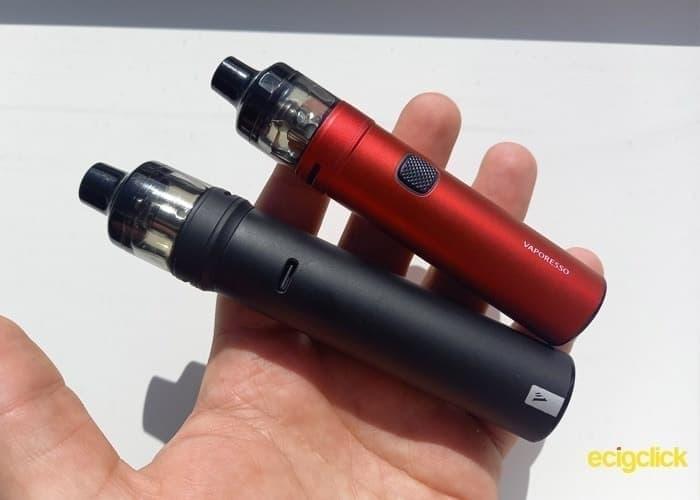
- Heavy Metals – Traces of metals like lead, cadmium, and nickel have been detected, usually originating from the device’s heating coil.
Understanding the presence and concentration of these additives is crucial. While their quantities are typically lower than those in traditional cigarette smoke, the health implications of long-term exposure to vape emissions require ongoing research.
The Role of a Reputable vape shop in Educating Consumers
Vape shops today do more than just sell devices and liquids; they educate customers about elements such as which of the following compounds are present in electronic cigarettes and encourage responsible vaping habits. Comprehensive customer support includes:
- Information on nicotine levels and adjustment for gradual reduction.
- Recommendations for choosing non-nicotine or low-risk flavor profiles.
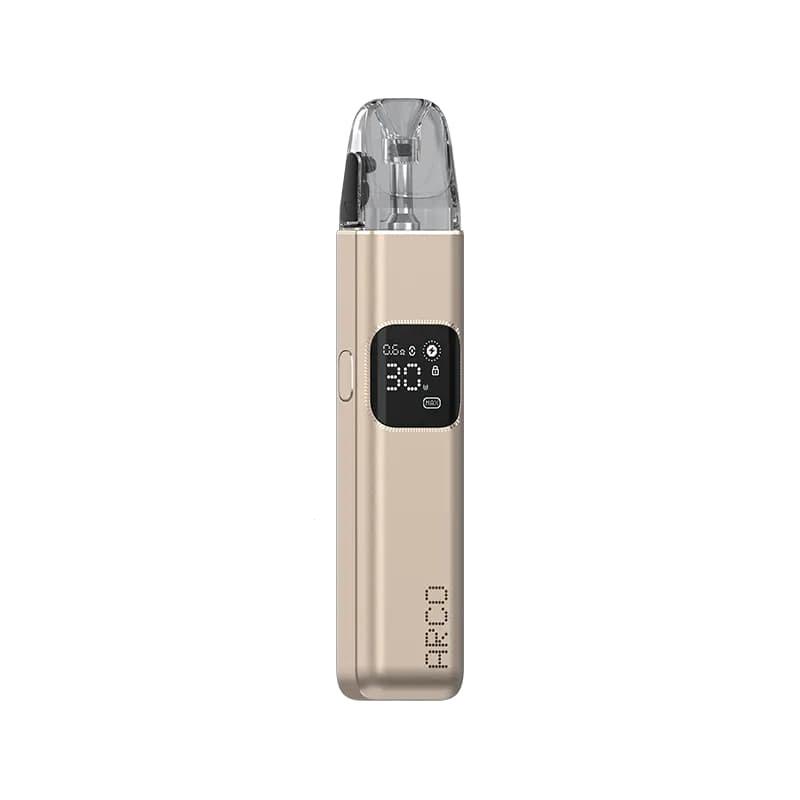
- Advice on the mechanical components of devices to minimize harmful compound formation.
Additionally, many vape shops work closely with manufacturers to source e-liquids that meet strict safety and quality guidelines, reducing consumer exposure to potentially harmful substances.
Making Informed Choices About Electronic Cigarettes
Whether you’re purchasing your first device or looking to upgrade, knowing which compounds are present in electronic cigarettes allows you to weigh the benefits and risks better. For most, vaping offers a less harmful alternative to combustible tobacco, but vigilance is warranted regarding chemical exposure.
Here are important tips to keep in mind while shopping at a vape shop:
- Always check the ingredients list of e-liquids and opt for products from reputable sources.
- Avoid excessive temperature settings on devices to limit harmful byproduct formation.
- Consider flavored or nicotine-free options if you have respiratory sensitivities.
- Consult with knowledgeable vape shop staff about your preferences and health concerns.
Understanding Regulatory Aspects
The evolving legislation regarding vaping products influences what compounds are permitted and how they must be disclosed to consumers. Responsible vape shops comply with local laws that often require transparent labeling about which of the following compounds are present in electronic cigarettes.
Knowing legal frameworks helps consumers avoid illicit or unsafe substances.
Future Trends in Vaping Ingredients
Innovations in vape technology are progressively aiming to reduce harmful chemical generation. The industry is exploring bio-based propylene glycol, natural flavor extracts, and advanced coil materials that minimize heavy metal release. Customers shopping at modern vape shops can expect:
• Cleaner, purer vape juices with transparent composition listings.
• Devices with temperature regulation features.
• Educational resources focused on chemical safety in vaping.
Conclusion: A Holistic Approach to Choosing Your Vape
Understanding which of the following compounds are present in electronic cigarettes is essential for safe and enjoyable vaping. Your choice of a reliable vape shop not only affects access to quality products but also your knowledge about what you inhale.
Empowered with information on ingredients such as PG, VG, nicotine levels, and potential byproducts like formaldehyde and heavy metals, you can make informed decisions that align with your health priorities and preferences.
Frequently Asked Questions
- Are electronic cigarettes safer than traditional cigarettes?
- Generally, yes. E-cigarettes usually contain fewer harmful chemicals compared to combustible cigarettes, but they are not risk-free.
- Can vaping liquids contain harmful metals?
- Trace amounts of heavy metals may be present due to device components, but reputable vape shops offer products tested to minimize these contaminants.
- How can I reduce exposure to harmful compounds while vaping?
- Use devices with temperature controls, choose high-quality e-liquids, and avoid excessive usage.