
Understanding the Dynamic Expansion of the vape and e-cigarette market in 2024
In recent years, the vape phenomenon has evolved from a niche alternative to a mainstream lifestyle choice, and in 2024, the e-cigarette market continues to demonstrate rapid growth fueled by shifting consumer preferences, technological innovations, and evolving regulatory landscapes. This article delves into the multifaceted aspects driving this expansive trend, providing insights that are essential for stakeholders, manufacturers, and consumers alike.
Market Drivers: The Forces Behind Growing Popularity
Several critical factors contribute to the burgeoning vape and e-cigarette market. Firstly, increasing awareness of the relative health advantages compared to traditional tobacco products has stimulated demand. Users perceive vaping as a less harmful alternative, encouraging many smokers to transition to e-cigarettes. Secondly, diverse flavor profiles and advanced device customization appeal to a broad demographic spectrum, enhancing user engagement and satisfaction.
Technological Innovations Enhancing User Experience
Cutting-edge technology in the vape sector is advancing the e-cigarette market significantly. Devices now boast improved battery efficiency, leak-proof designs, and versatile pod systems that support various e-liquid options. The integration of smart features, such as Bluetooth connectivity and personalized usage tracking, is elevating consumer interaction, fostering brand loyalty in a competitive market landscape.
Expanding Product Variety and Consumer Segments
Market expansion is propelled by an ever-increasing array of products tailored to distinct consumer needs. From beginner-friendly starter kits to potent mods favored by experienced users, the vape community is increasingly diverse. Additionally, gender and age demographic shifts, including growing acceptance among younger adults seeking alternatives to combustible cigarettes, broaden the market reach substantially.
The Regulatory Environment and Its Impact
Governmental policies and regulations critically shape the trajectory of the e-cigarette market. In 2024, regulatory frameworks are adapting to balance public health protection and industry growth. Some regions impose flavor restrictions or advertising constraints, while others support harm reduction strategies that recognize vaping’s potential to decrease tobacco-related illnesses. Compliance with such evolving regulations challenges manufacturers but also stimulates innovation and responsibility within the industry.
Market Challenges and Competitive Landscape
Despite impressive growth, the vape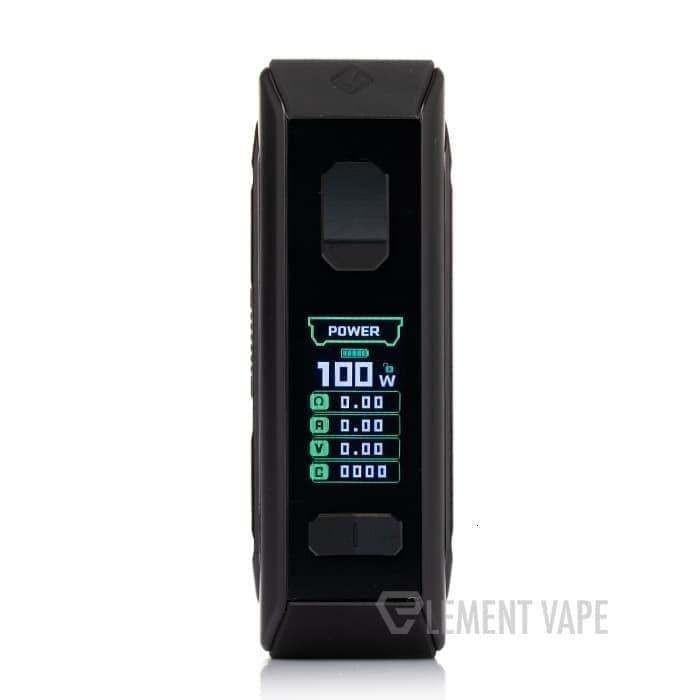 market faces hurdles including market saturation in certain regions, counterfeit products, and negative public perception. Competitive tensions among established brands foster continuous enhancement in product quality and marketing approaches. Collaborations between health organizations and manufacturers aim to improve transparency and consumer education, crucial for sustainable development.
Global Market Expansion and Regional Insights
The global e-cigarette market exhibits varied growth rates across continents. North America maintains a dominant position, driven by high consumer adoption and innovation hubs. However, Asia-Pacific is emerging rapidly, supported by increasing disposable incomes and urbanization. European markets witness steady regulatory evolution, fostering both caution and opportunity for vape businesses.
Latin America and Africa represent nascent markets with untapped potential, influenced by socio-economic factors and cultural acceptance. Strategic partnerships and targeted marketing campaigns are essential for penetrating these regions effectively.
Marketing Strategies and Consumer Engagement
Successful brands leverage digital marketing, influencer collaborations, and community-building initiatives to connect with consumers authentically. Customized loyalty programs, educational content emphasizing responsible vaping, and seamless e-commerce platforms enhance user retention and acquisition. The vape industry’s adaptation to omnichannel retail environments demonstrates its commitment to consumer-centric growth models.
Environmental Considerations and Sustainability Trends
Environmental impact is increasingly a focus within the e-cigarette market. Manufacturers are innovating recyclable materials, biodegradable pods, and energy-efficient devices to address ecological concerns. Industry-wide sustainability commitments resonate strongly with environmentally conscious consumers, generating competitive advantages.

In conclusion, the rapid growth of the vape and e-cigarette market in 2024 is shaped by a complex interplay of technological advancement, evolving consumer preferences, regulatory frameworks, and environmental awareness. Industry participants who align their strategies with these trends are poised to capitalize on expansive opportunities while contributing positively to public health and sustainability.
FAQ About the Vape and E-Cigarette Market

- What factors contribute to the growing popularity of vaping?
- Key factors include perceived reduced health risks compared to traditional smoking, flavor variety, and technological innovations improving device usability.
- How are regulations impacting the e-cigarette market?
- Regulations vary globally, affecting product availability and marketing. Some laws restrict flavors and sales to minors, while others promote harm reduction policies.
- What role does technology play in market growth?
- Technological advancements enhance device performance, customization, and user engagement, driving consumer interest and retention.