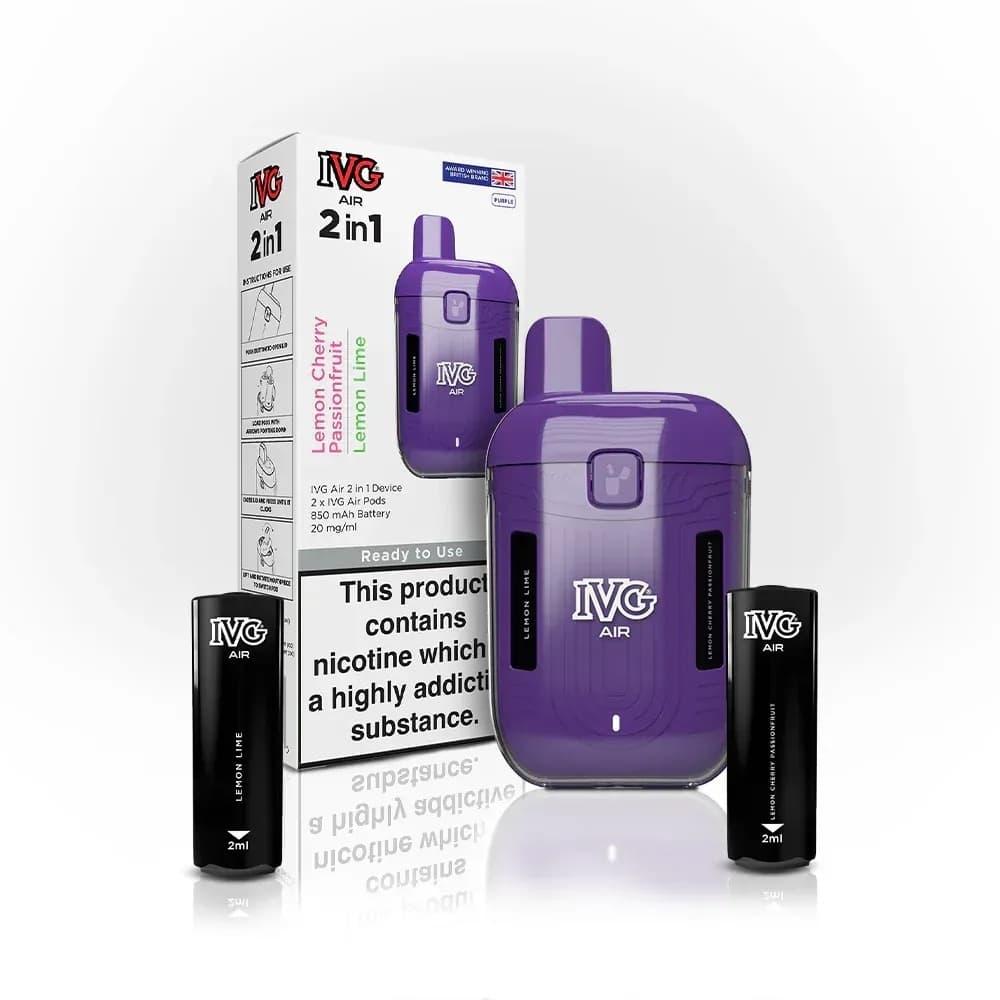
Can You Use an E Cigarette on Planes? Essential Vaping Rules for Air Travelers
Travelers often wonder: Is it allowed to use an e cigarette on planes? Air travel regulations are constantly evolving so keeping up with the latest rules regarding vaping and electronic cigarettes is crucial to a smooth journey. This comprehensive guide will address everything you need to know, from airline-specific regulations to airport policies and international guidelines.
Understanding E Cigarette on Planes Regulation
The main rule across the globe is straightforward: using e cigarettes on planes is strictly prohibited. This firm stance is upheld by airlines, safety agencies, and airport authorities alike. The act of vaping, producing visible vapor, or even charging devices in-flight can lead to fines or, in extreme cases, criminal charges. This rule exists primarily due to the enclosed environment of airplanes, concerns over battery hazards, and uniform passenger comfort.
Bringing E Cigarettes on Board Flights
- Passengers may carry their e cigarette on planes, but only in their hand luggage or on their person.
- All spare batteries, mods, vape pens, and similar devices must never be checked in with luggage stored in the airplane’s cargo hold.
- Airports may require your device to be powered off, and some may request removal of batteries during security screening.

Carrying e juice or vape liquid also requires careful attention to liquids rules:
- E-liquids are typically limited to 100 ml per container (3.4 oz) and all containers must fit into a 1-liter clear plastic bag with other destination liquids.
- Be sure bottles are tightly closed to avoid devastating leaks due to cabin pressure changes.
Why Are E Cigarette on Planes Restricted?
Authorities such as the Federal Aviation Administration (FAA), the International Air Transport Association (IATA), and the European Union Aviation Safety Agency (EASA) all adhere to similar restrictions on e cigarette on planes. The reasons are multifold:
- Potential fire risk posed by lithium-ion batteries.
- Secondhand vapor exposure—many passengers seek a smoke-free environment.
- Legal complexities and compliance with international regulatory bodies.
Airport Policies: Where Can You Vape?
If you are passing through airports with your vape device, you must observe their specific policies. Most airports designate sealed smoking lounges for conventional tobacco use; a few explicitly permit vaping, but most treat e cigarettes identically to traditional smoking—meaning, only in designated outside areas. Using your e cigarette on planes, in jet bridges, or in restrooms on board is a serious offense, often linked to hefty fines and possible removal from the airport.
International Differences in Vaping Regulations
Rules for e cigarette on planes can vary based on your departure and arrival locations. Some countries (such as Australia, Thailand, or Singapore) have outright bans on both the import and use of vaping devices. IATA’s guidelines provide an up-to-date resource for the latest regulations by country. In some places, possessing or using an e cigarette can even result in imprisonment, so always research your destination’s laws before packing your device.
Charging and Storing Your Vape When Flying
- Do not charge your e cigarette on planes. This is strictly forbidden by all commercial airlines due to battery safety risks.
- Always turn off your vape pen, mod, or pod system before boarding.
- Separate batteries, if removable, and keep them in a protective case to prevent accidental activation and short circuits.
Airline-Specific E Cigarette Policies
Many major airlines publish detailed vaping policies:
- American, Delta, United: E cigarettes allowed in carry-ons, never in checked baggage; in-cabin use prohibited.
- British Airways, Lufthansa, Emirates: Similar carry-on rules; emphasize STRICT on-board usage bans and often security checks focused on e devices.
- Budget carriers may enforce even stricter oversight—check your airline’s FAQ or reach out to customer service before your trip.

Penalties for Using an E Cigarette on Planes
Taking a puff from your e cigarette on planes will trigger alarms in restrooms and passenger cabins. Offenders may face:
- Substantial fines—penalties of $2,000 or more are not uncommon.
- Removal from the flight upon landing and questioning by airport authorities.
- Potential inclusion on no-fly lists or even criminal charges, depending on the severity of the infraction and flight destination.
Traveling Tips for Vapers: E Cigarette on Planes Done Right
- Check airline and destination country laws about vaping before booking your ticket.
- Pack extra coils, pods, batteries, and e liquid carefully within carry-on limits.
- Be prepared for security checks—keep your vape device handy for inspection.
- Never attempt to stealth vape or use any vape tricks on board. The risks far outweigh any perceived benefits.
- If you desperately need a nicotine fix, consider pre-travel nicotine patches or gum.
Summary: E Cigarette on Planes—Know Before You Go
Flying with an e cigarette on planes is possible, but usage while in the air is not. You can bring your vape gear as hand luggage and access it before or after your flight. Always stay abreast of changing regulations—for both health and legal reasons. By adhering to these rules, your vape-friendly journey will remain stress-free and compliant.
FAQs About E Cigarette on Planes
- Can I bring vape juice in my carry-on when flying?
- Yes, as long as each liquid container is 100ml or less, stored in a 1-liter clear bag, and complies with standard airline liquid restrictions.
- Will I get fined for using an e cigarette on planes?
- Absolutely. Using, or even attempting to use, a vape device can lead to significant fines, flight bans, or criminal penalties depending on airline and national laws.
- Are disposable vapes allowed on flights?
- Disposable e cigarettes are generally permitted in carry-on baggage, but never in checked bags. All on-board use remains strictly forbidden.