
Why the Ban?
Vietnam has observed a significant uptick in the use of e-cigarettes among its youth, posing potential health risks and fostering nicotine dependency. Health experts argue that by banning e-cigarettes, Vietnam can prioritize its citizens’ well-being, forestalling a looming public health crisis. Moreover, aligning with international health guidelines enhances Vietnam’s stance on tobacco control, ensuring a healthier future for its population.
- Health Risks
 : Numerous studies have identified respiratory issues associated with vaping, alongside the risk of addiction.
 - Social Impact: The normalization of vaping could encourage tobacco consumption among non-smokers.
The Impact on Smokers and Vapers
For smokers seeking alternatives, this ban could reshape their choices. Vaping, once considered a safer substitute, is now under scrutiny. Smokers may need to explore traditional cessation methods, including nicotine replacement therapies. On the other hand, dedicated vapers may face challenges in sourcing products legally, prompting either a shift back to smoking or complete cessation.
Switching to nicotine patches or gum might become more prevalent as preferred therapies.
The ban could alter market dynamics, influencing local businesses that rely on selling vaping products. These businesses may need to adapt quickly, exploring alternative product lines to sustain operations.
International Reactions and Comparisons
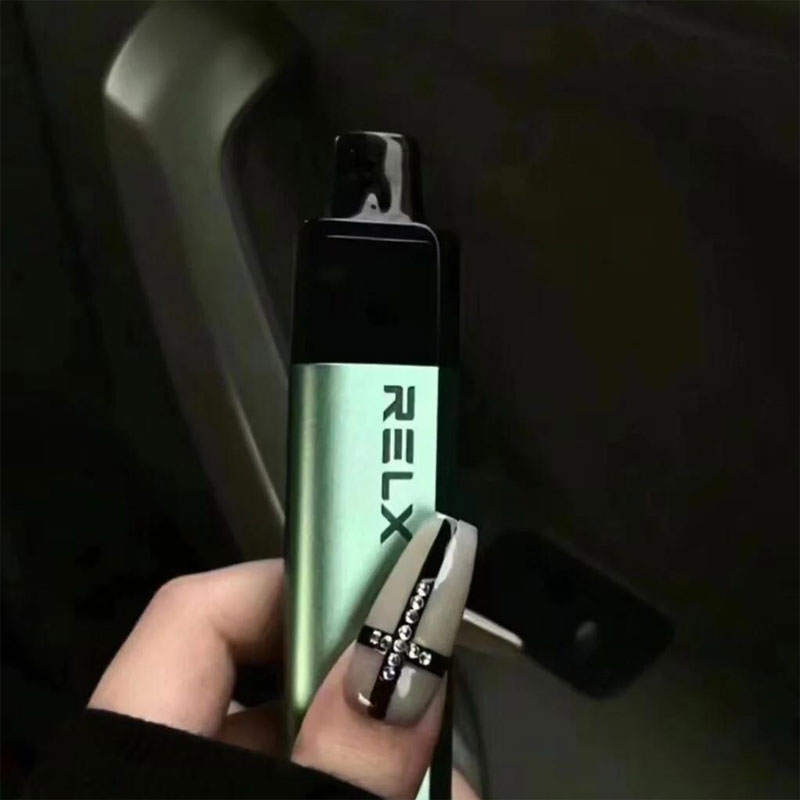 Globally, the e-cigarette industry is experiencing regulatory changes, with countries like Australia and Singapore imposing strict measures. Vietnam’s decision is in line with these international trends, reflecting a comprehensive approach to tobacco control. Insights from around the world demonstrate diverse regulatory strategies, offering lessons for Vietnam as it navigates these changes.
While some countries offer loopholes for medicinal vaping, Vietnam may take a staunch stance against all forms.
Looking Ahead
As the 2025 ban approaches, Vietnam must focus on establishing robust enforcement mechanisms. Educating the public on the health risks associated with vaping and smoking remains pivotal.
- Developing comprehensive awareness campaigns.
- Implementing strict penalties for non-compliance.
These measures will ensure the ban’s efficacy, curbing potential illegal market proliferation.
FAQs
Will Vietnamese smokers have access to other cessation tools?
Yes, alternatives such as nicotine patches, gum, and cessation counseling will be available to support individuals.
How will the ban be enforced?
Government agencies are expected to collaborate, ensuring that importation, distribution, and sale are strictly monitored.
Is vaping more harmful than smoking?
While both pose health risks, vape products can contribute to respiratory issues and are not recommended for non-smokers.
Adapting strategies and policies will determine the success of Vietnam’s bold move to outlaw e-cigarettes by 2025, focusing on health-driven priorities for a sustainable future.